In Part 1 of this series, Sean Scott explores the fundamentals of historical building restoration, from defining what qualifies as a historic property to understanding obsolete materials, preservation standards, and structural challenges.
In this episode of Ask The Expert, the ProKlean team discusses their rebrand, chemistry, and what restoration contractors should know when choosing the right solutions for them. They also share common application mistakes, PPE requirements, and much more.
With market uncertainty, workforce transitions, new technology, and customer service expectations evolving, here is how restoration companies are reshaping their operations in 2026.
In this week’s Technical Tip Tuesday, John Reasoner breaks down why the first 10 minutes of a CAT loss are unpredictable, and how technicians can quickly control, stabilize, and protect the team and occupants before any restoration work ever begins.
In this Q&A with Bill Shadid of Aeroseal, we discuss how restoration professionals can integrate passive house principles into post-disaster restoration without sacrificing speed, cost, comfort, or health.
In this episode of Ask The Expert, five industry leaders from across home services industries share why collaboration between service providers is essential to delivering a stronger, more consistent customer experience.
In this episode of Ask Annissa, Annissa explains how ultrasonic cleaning works and when it can be an effective restoration method for household and collectible items with heavy buildup. She covers suitable materials, common mistakes, and why proper chemistry, dwell time, and monitoring are critical to avoid damage.
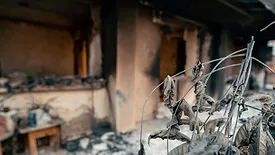
Did a Travelers builders’ risk policy cover damage from invisible combustion byproducts? Behind the costly, prolonged legal aftermath of an Alabama arson.
Barry Rice, CSP, explains the importance of Job Hazard Analysis (JHA) and how it helps restoration contractors safely manage multiple overlapping hazards on active job sites.
During catastrophic events, the success of restoration isn’t measured by how fast your crews mobilize, but how well the work is documented and can be defended months or even years later.