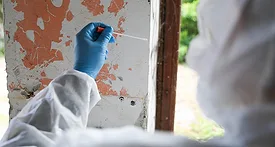
Mobile labs now offer asbestos and lead testing directly on the jobsite, providing faster results, and timely decisions by contractors, carriers, and customers.
Learn how restoration companies can build a holiday policy around their on-call rotations, staff, emergency response, customer communication, and employee preferences.
Here’s how restoration companies can capture more leads with live call answering, consistent call scripts, faster callbacks, and improved after-hours response.
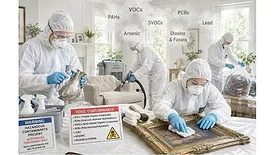
In part 6, we look at cleanability, contents restoration, worker hazards, onsite and offsite cleaning, and the challenges of restoring artwork, antiques, and porous materials after a wildfire or WUI fire.
Here’s how hands-on large loss restoration training helps restorers strengthen their technical skills, gain field experience and knowledge, improve their safety, and prepare ahead of complex projects.
Here’s why restorers should build relationships with environmental consultants, reconstruction contractors, and contents specialists before taking on fire losses.
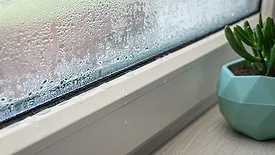
Here’s how humidity affects structural drying and how drying chambers can help restorers control moisture migration, improve drying efficiency, and reduce secondary damage.
Can you successfully restore an item after water or fire damage? Or is replacement a better option? Annissa Coy shares why restorability involves more than what you can see, monetary and sentimental value should always be taken into consideration as well as several other factors.
Brantley Kushner and Robb Harrell share the challenges, technology, vendor partnerships, and coordination that helped the team ATI complete a complex job after hurricane Milton that affected 279 units.
 RSS