Bringing the Lab to the Loss: How On-Site Environmental Testing is Changing Restoration
Mobile asbestos and lead testing helps reduce delays, keep projects moving, and accelerate the claims process
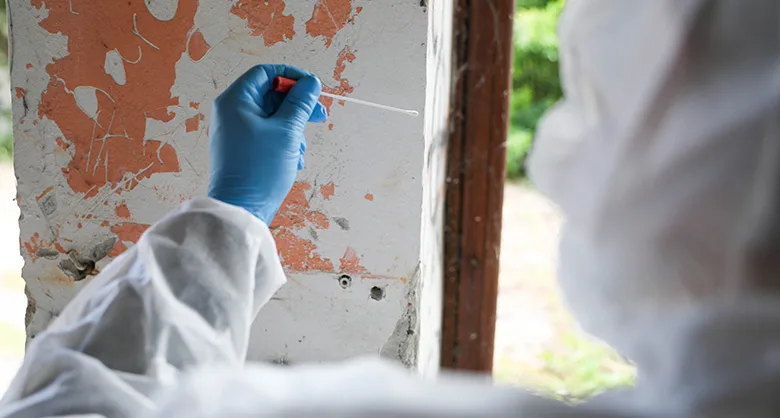
A couple of years ago, I was on a job where a car had gone into a house. As the restoration contractors on the job, before we could address the contents and get the work moving, we needed to know whether the materials we were about to disturb contained asbestos. We called a testing vendor, who showed up in flip-flops and shorts, picked up a piece of drywall, dropped it in a bag, and left. Two days later, we had our results and a $600 invoice. For two days, the job sat still.
If you’ve worked in restoration, you’ve most likely lived some version of that, and in the moment, I was left with a simple question: How could this process be faster, simpler, and more efficient without compromising accuracy?
Environmental testing is built into the rules we work under. Federal safety regulations put the responsibility for protecting crews from asbestos on contractors, not property owners. Certain older materials, like insulation in buildings built before 1981, are treated as containing asbestos unless testing shows otherwise. Commercial projects and larger residential buildings also require an inspection before renovation or demolition starts.
Lead works the same way. The EPA’s lead rules cover properties built before 1978 (when lead-based paint was banned), and EPA estimates that about three-quarters of those properties still have some lead-based paint.
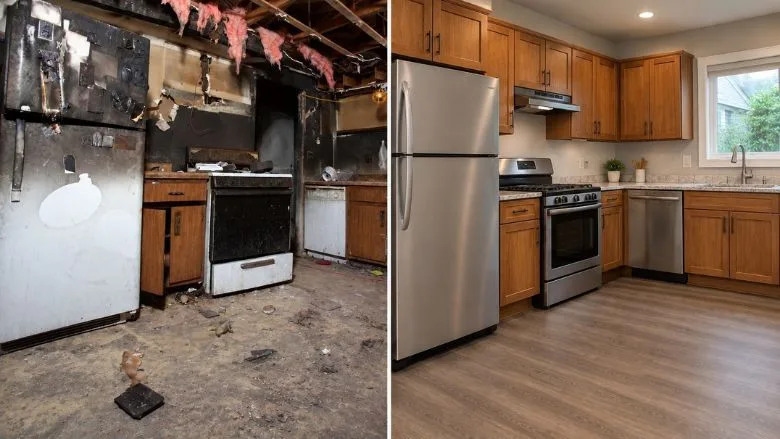
In the traditional process, samples go to an offsite lab, and the standard turnaround is 24-48 hours. It can run even longer in markets far from a physical laboratory or after a storm/CAT event. Meanwhile, drying and restoration stalls, equipment and temporary housing costs keep accruing for the carrier, crews get delayed, other jobs can be affected for the restoration contractor, and the property owner only sees that the job stopped. The property owner is frustrated by the lack of progress, the insurer faces mounting costs, and the restoration contractor is left managing delays that are largely outside their control.
How a Mobile Lab Changes the Conversation
The idea of a mobile laboratory moves the analysis right to the job site. An AHERA-certified asbestos inspector collects samples and examines them right there, on the spot, in an AIHA-proficient mobile laboratory, using the same equipment found in a traditional lab. Handheld XRF equipment is used to check painted surfaces for lead-based paint. Sampling, results, and the go/no-go decision all happen in one service call. If the results are negative, the crew keeps working. If they’re positive, abatement planning can start that same day. But it’s not just an idea; we’re actively doing this right now, and we’re bringing it nationwide. The entire process, from sample collection to first results, is often completed in approximately 90 minutes. A mobile lab means less waiting, faster decision-making, and fewer unnecessary delays for everyone involved in the claim.
But speed only matters if the results hold up. Whether working with a traditional laboratory or a mobile lab, restoration professionals should expect the same standards of accuracy, documentation, and accountability. That means proper accreditation, established chain-of-custody procedures, safeguards against cross-contamination, and clear reporting that can be shared with carriers and stakeholders.
Looking for quick answers on restoration, remediation and cleaning topics?
Try Ask R&R, our new smart AI search tool.
Ask R&R →
Just as importantly, the professionals conducting the testing should demonstrate the same level of expertise and customer service that restoration contractors expect from their own teams.
An Innovative Solution to a Longstanding Problem
Restoration has evolved significantly over the decade I’ve been in this industry, but environmental testing has not kept pace with the same level of innovation. On-site, mobile environmental testing offers a more efficient approach to a process that directly affects everyone involved in a property damage claim.
Insurance carriers are focused on reducing claim cycle times and controlling claim severity. Property owners want answers and progress toward restoring their homes or businesses. And restoration contractors need timely results to keep crews working, manage their schedules, and minimize unnecessary delays. A mobile lab offers an innovative way to address all three priorities.
Look at how many days your jobs spend waiting on test results, and what those days cost your customers, your carriers, and you. The answer may change how you think about environmental testing.
Watch our Ask the Expert interview with Ben Doebler and Mark Davis!
How The Mobile Lab is Influencing Change in the Restoration IndustryLooking for a reprint of this article?
From high-res PDFs to custom plaques, order your copy today!