Why Hurricane Preparation Matters as Much as Cleanup for Homeowners
Why preparation, documentation, and early action improve the claims process after a hurricane
Hurricane season can bring immense pressure for homeowners and restorers. This Q&A is designed to prepare both the homeowner and restorer before hurricane season starts next month. For homeowners, this guidance is designed to help reduce confusion, delays, and costly mistakes during one of the most stressful times. For restorer, these same tips help improve your safety, response time, reduce secondary damage, and support a smoother, more defensible claims and restoration process. By educating your customers ahead of time, you as the restorer help set expectations, reduce chaos during first notice of loss, and position yourself as a trusted advisor before you are ever needed.
Why is it just as important to prepare before hurricane season as it is important to respond after one hits?
The reality is that the decisions homeowners make before a storm often determine how quickly, and how fully, they recover after one. In our industry, we see it every season: the families who documented their property, secured their insurance policies, and understood their coverage recover in a matter of weeks. The ones who didn’t can spend months navigating a process they weren’t prepared for, during one of the most stressful times they’ll ever face.
Hurricane Month
Prepare before the storm with specially-curated articles during the month of May. Learn more!
From a restorer’s standpoint, preparation reduces the severity of damage and the complexity of the loss. Something as simple as clearing their gutters, inspecting their roof flashing, or knowing where their water shutoff valve is can mean the difference between a manageable water intrusion and a full-scale mitigation project. The ANSI/IICRC S500 Standard for Water Damage Restoration emphasizes that the speed of response directly impacts the scope of damage, and preparation is what makes a fast response possible.
What type of documentation should homeowners gather before a storm, and how can it help the restorer with their response?
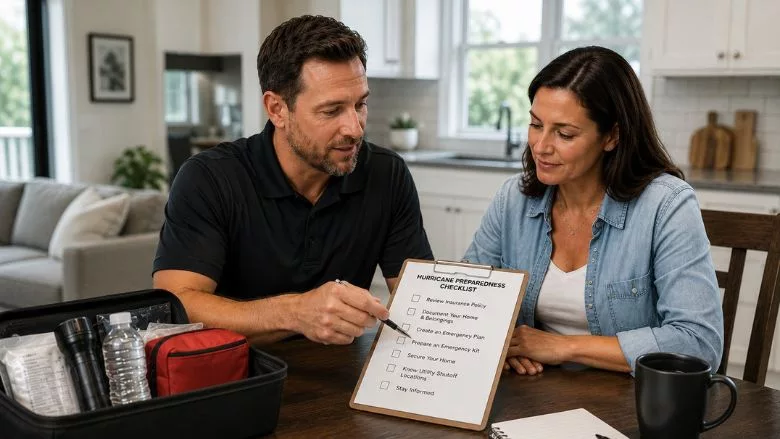
Homeowners should have their insurance policy, contact information for their agent, and a home inventory that includes photos, videos, and estimated values of major belongings. They should also keep copies of mortgage documents, property deeds, and any recent inspection or maintenance records, especially for the roof, HVAC, and plumbing systems.
This matters because after a major storm, the claims process moves fast and documentation is everything. Adjusters need to establish pre-loss conditions to process a claim accurately. Without documentation, homeowners are relying on memory during one of the most overwhelming experiences of their lives.
For restorers, clear pre-loss documentation supports faster scopes, fewer disputes, and smoother coordination with carriers. The more accurately a home’s condition is documented, the smoother and more equitable the claims process will be.
How often should a homeowner update their photos, videos, and inventory of their property?
I recommend they update their home inventory at least once a year, and the start of hurricane season is a natural reminder. Walk through every room and record a video narrating what they see. Open closets, cabinets, and storage areas. Document serial numbers on electronics and appliances. If they’ve made renovations, purchased new furniture, or upgraded systems since their last update, they need to capture those changes.
Looking for quick answers on restoration, remediation and cleaning topics?
Try Ask R&R, our new smart AI search tool.
Ask R&R →
It doesn’t need to be complicated. A smartphone video with a running commentary takes 15 minutes and can save them weeks of frustration during their claim.
From the restorer’s side, up-to-date documentation reduces intake delays and minimizes reliance on memory during stressful first conversations. The key is making sure this documentation exists somewhere other than their home.
What’s the best way to store important documents so they’re accessible if the home is damaged or evacuated?
Cloud storage is the simplest and most reliable solution. Your customers should upload their insurance policy, home inventory videos, photos, and critical documents to a cloud service like Google Drive, iCloud, or Dropbox. They can also email them to themselves so they’re accessible from any device. For physical copies, a fireproof and waterproof safe at home provides a first layer of protection, but it shouldn’t have their only copy.
I always tell homeowners: “If you had to leave your home in 15 minutes and couldn’t come back for a month, could you access everything you need from your phone?”
When homeowners can immediately access their documents, the restoration intake process and authorization move much faster. If the answer is no, that’s the gap that needs to be closed before hurricane season starts.
Which emergency contacts should homeowners have readily available before hurricane season begins?
Beyond the obvious emergency contacts like 911, local fire, and police, homeowners should have their insurance agent’s direct number, their policy number written down, and the contact information for a reputable restoration company. Having a restoration professional’s number before it’s needed eliminates the scramble for help in the middle of a crisis, especially when everyone else is searching at the same time.
Homeowners should also keep contact information for their utility providers, including electric, gas, and water services, so outages can be reported or shutoffs requested quickly. A trusted plumber and electrician are valuable additions to this list. Another often-overlooked contact is a personal emergency contact outside the immediate area who can act as a communication hub if local phone service is disrupted.
The homeowners who recover fastest are the ones who make these calls before the storm, not after.
For restorers, pre-established contacts allow better coordination, faster dispatch, and fewer communication breakdowns during these catastrophic events.
What should homeowners do first once a hurricane passes and it’s safe to assess their home?
Safety comes first, always. Before entering the home, look for obvious structural damage: leaning walls, sagging rooflines, displaced foundation elements, or downed power lines near the structure. If anything looks compromised, the homeowner should stay out of their home and call a professional.
If it’s safe to enter, the homeowner should document everything before they touch anything. They should take photos and videos of all visible damage including ceilings, walls, floors, contents, and exterior. This is their evidence for their insurance claim, and once cleanup begins, that pre-mitigation documentation is gone forever. This documentation also protects both the homeowner and the restorer once the mitigation process begins.
Then the restorer can take the immediate steps to prevent further damage. The ANSI/IICRC S500 Standard is clear that time is the most critical variable in water damage, the longer materials stay wet, the more extensive and expensive the restoration becomes. Every hour counts.
How can safety concerns like structural damage, flooding, or electrical hazards affect early decisions?
This is where I urge homeowners to resist the instinct to rush in and start cleaning up. Structural damage, contaminated floodwater, and hidden electrical hazards can create life-threatening conditions.
From the restorer’s perspective, early safety guidance reduces injury risk, liability exposure, and improper cleanup attempts that complicate professional remediation later.
When should a homeowner reach out to a restoration professional after storm damage?
Immediately. Waiting is the single most costly mistake homeowners make. Every hour of delay allows moisture to migrate further into materials, increasing the scope of work and cost.
A qualified restoration professional can begin emergency mitigation before the adjuster arrives. Under the ANSI/IICRC S500 guidelines, the goal is to begin drying within 24 to 48 hours. Early contractor involvement supports defensible documentation and helps keep the claim moving forward rather than stalled.
What early steps can help prevent secondary damage like mold or further water intrusion?
Mold can begin developing within 24 to 48 hours, especially in warm, humid post-hurricane conditions.
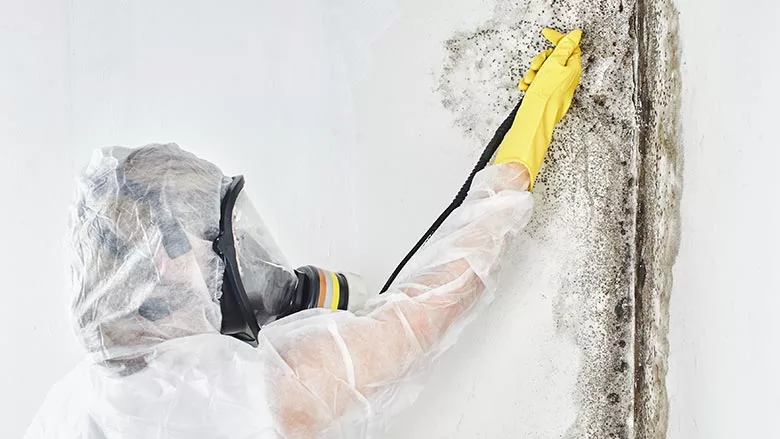
The most important early steps are removing standing water, increasing air circulation, and begin the drying process quickly. Early moisture control by trained professionals can prevent losses from escalating into Category 3 conditions or requiring full ANSI/IICRC S520 remediation.
How does preparation ahead of time make the entire recovery process smoother?
In 20 years of restoration work, the difference between a prepared homeowner and an unprepared one is unmistakable, and it’s not just physical, it’s emotional.
Prepared homeowners feel more control and make better decisions. Prepared customers also allow restoration crews to focus on mitigation, not education or crisis management. The damage may be identical, but the recovery experience, and project outcome, is fundamentally different.
Preparation doesn’t prevent hurricanes, but it determines how people come through one. Helping your customers prepare before they ever need to call is one of the most valuable services restorers can provide to their communities.
Looking for a reprint of this article?
From high-res PDFs to custom plaques, order your copy today!