Remediation. Mitigation. Abatement. All great words to use with our customers when describing how to eliminate their mold problem. We use all the knowledge gleaned through years of experience and education, reference standards of care, and talk about spore counts.
The answer to this question is one that has haunted small business owners: cash flow. A company can look good on paper, bringing in consistent revenue and new clients, while still coming up short at the end of the month.
This is the last of a five part series providing insights and suggestions for restoration contractors who are faced with situations involving chemically sensitized occupants. The focus has been on individuals whose sensitivities are related to chemical exposures.
When employees don’t perform as expected, it’s usually for one of two reasons: they don’t know how to do the task correctly or they aren’t motivated to do it.
Cleaning and restoring electronics is a very high profit service to add to your contents cleaning division. While electronics cleaning is not difficult, you will need the right training, equipment and expertise or you could get in over your head really fast and wind up costing yourself a lot of headache and money.
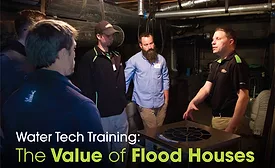
With the advent of the internet and online learning, hands-on training seems less necessary when a quick online course can provide people the same information.
It was another warm and windy night in Southern California. As with any strong East wind event, we anticipated hearing about a small brush fire or two in the morning, so it wasn’t much of a surprise to hear about the one that kicked up about 20 miles away.
As a restoration professional you have several unique advantages in adding bed bug eradication to your service portfolio to generate additional revenue. First, you already have a majority of the equipment needed to conduct eradications and secondly you have comprehensive and expert knowledge of airflow.
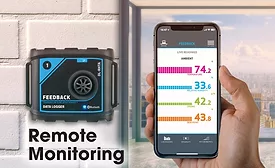
Remote monitoring has been a buzzword in the restoration industry for a several years. In case anyone reading this is not familiar with it, remote monitoring means setting up sensors on site so that data can then be viewed with a mobile device or computer in real time.
The first three parts of this series covered an overview of chemical sensitivities, the critical importance of source removal and detailed cleaning, and products and processes that can be used for neutralization of chemical or biological residues that remain following cleaning.
 RSS
RSS