Remote Monitoring: Embracing New Innovations in Water Damage Restoration
The importance of monitoring ambient conditions during the drying process.
Photos courtesy of Tramex.
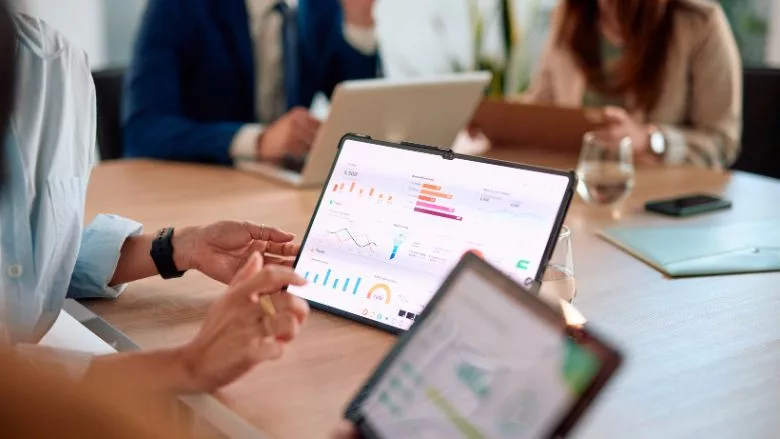
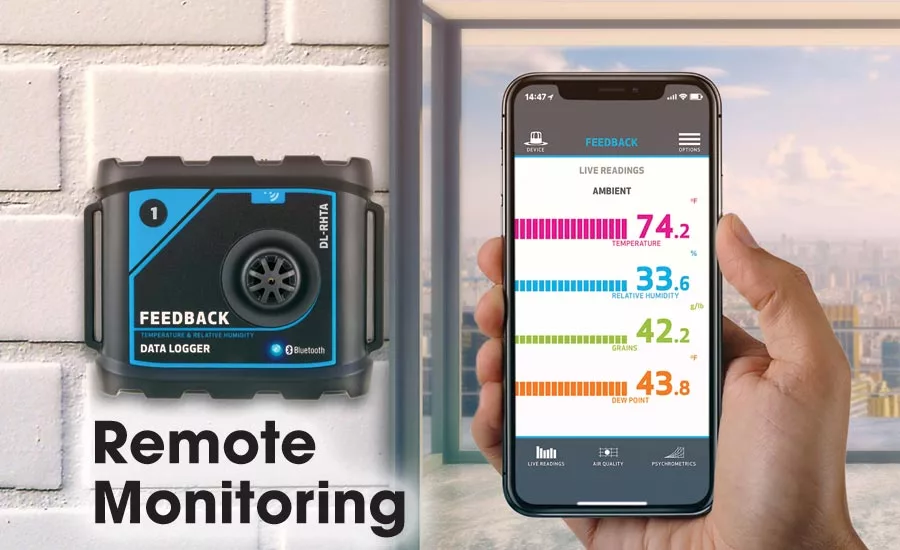
Remote monitoring has been a buzzword in the restoration industry for a several years. In case anyone reading this is not familiar with it, remote monitoring means setting up sensors on site so that data can then be viewed with a mobile device or computer in real time. Most remote monitoring systems focus primarily on measuring relative humidity and temperature but can also include dew point, grains per pound and equilibrium moisture content readings. Some systems can even be set up to turn on and off drying equipment remotely or under pre-set conditions.
The enthusiasm for this technology is understandable due to the system’s ability to continually monitor the ambient conditions, day and night, around the clock, from a phone or a computer. However, as is sometimes the case with new technology, the experience does not always match the expectation. In the case of remote monitoring, there has been some disappointment and that is partly due to the complicated process of setting up the equipment and the often limited information actually obtained from it.
Recently a manager at a large restoration company described how they tested a remote monitoring system and then rejected it, mainly because it was sold to them as a replacement for a qualified technician. Their conclusion, understandably, was that the information they could gain from the system did not match the value of the information they could get from a trained technician on a site visit.
No doubt the remote monitoring system produced valuable information, but that information came at considerable expense, when you include the cost of the equipment, the monthly expense of using it and the cost of training technicians in the complicated process of setting it up.
It is certainly very useful to have systems to monitor the ambient conditions in order to ensure that ideal drying conditions have been achieved and are maintained, but this is only part of the picture. Ambient conditions are only some of the variables that need to be observed. And when these variables are the only ones observed, it is too easy to miss things that a trained technician would be very quickly able to spot.
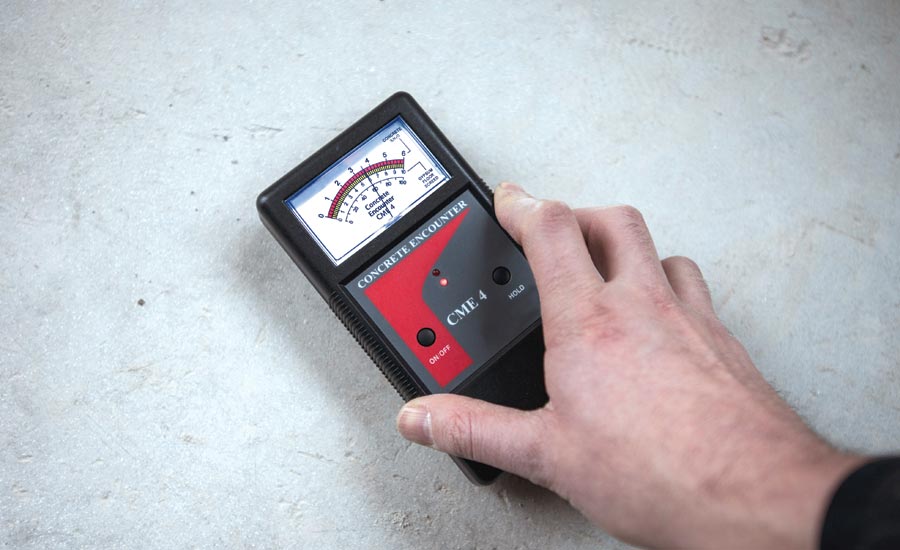
The enthusiasm for this technology is understandable due to the system’s ability to continually monitor the ambient conditions, day and night, around the clock, from a phone or a computer. Photos courtesy of Tramex.
For example, without combining the ambient conditions with updated moisture mapping information, it is possible that some areas of the water damaged building will be over dried while others remain damp. Whereas they may not be apparent from the data collected from ambient readings alone, a trained technician could spot such discrepancies immediately, and focus drying to most needed areas, thus optimizing drying time and costs.
Fortunately, the water damage industry in the United States is in good enough shape that the necessary investment in training technicians is considered essential. The fact that the above-mentioned restoration company considers the role of technicians important and can afford do things properly, should really be appreciated.
Looking for quick answers on restoration, remediation and cleaning topics?
Try Ask R&R, our new smart AI search tool.
Ask R&R →
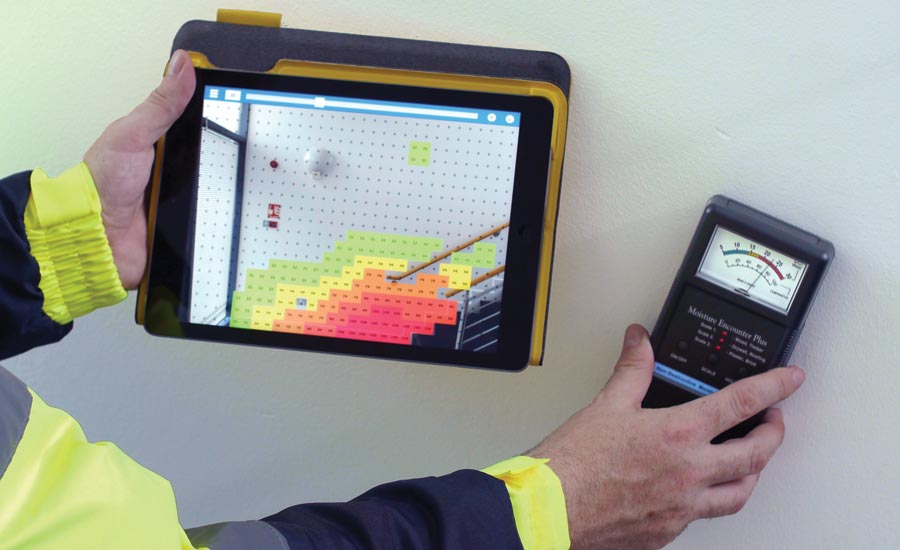
It is certainly very useful to have systems to monitor the ambient conditions in order to ensure that ideal drying conditions have been achieved and are maintained, but this is only part of the picture. Photos courtesy of Tramex.
In other countries, we have seen the water damage industry forced to take shortcuts to try to cut costs, including cutting back on training and using technology to replace trained technicians. This approach may save money in the short term, but it has led to prolonged drying times which ironically end up costing more for the insurers, not to mention homeowners and business owners being inconvenienced for longer periods.
So, how can the value of data-logging and remote monitoring be correctly understood and is the technology really valuable to a drying technician, restoration company and the insurance industry?
Photos courtesy of Tramex.
These questions will ultimately be answered when the application of this technology is widely adapted and when this adaptation results in a verifiable improvement in the drying procedure.
In the meantime, to begin to understand the value of this technology, I think it is important to look at data-logging and remote monitoring separately:
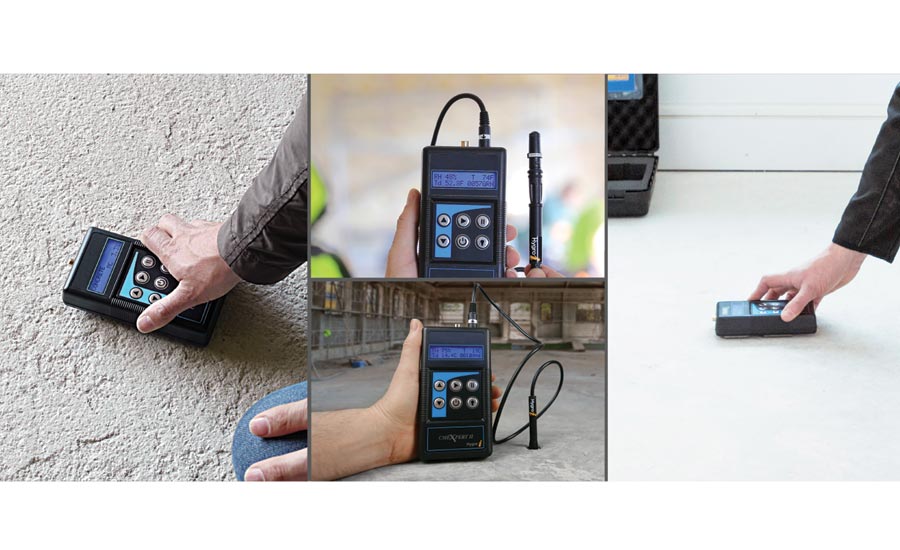
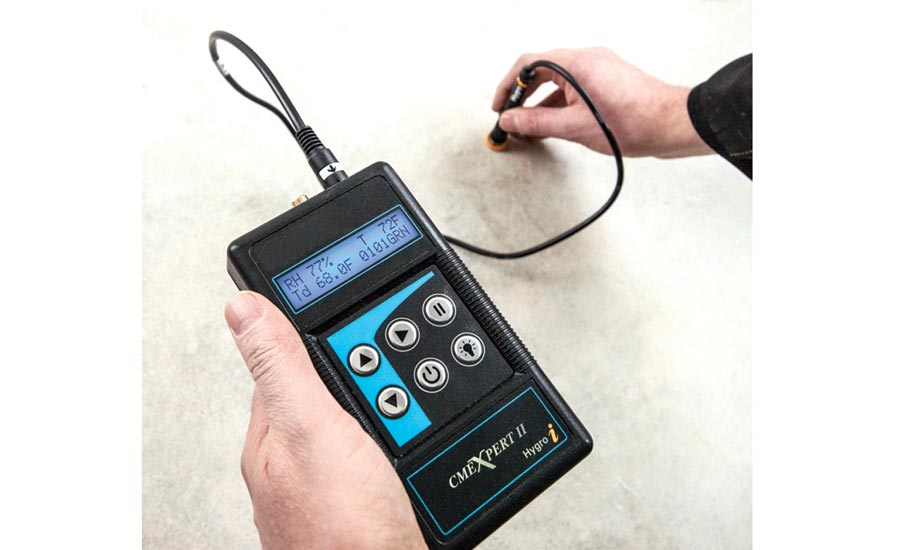
Data-logging, or logging the ambient conditions during the drying process, provides information that is mostly beneficial after the drying job has been completed. This data is very useful for looking back over and analysing the whole drying process of a particular job, or comparing data from job to job in order to refine the drying process. If this information is monitored by the restoration company it can lead to improvements in the drying process and help them maintain the quality of their work across many job sites. Perhaps more importantly the data can produce excellent impartial information which can be used to confirm to the insurance companies that the jobs were carried out to the best industry standard possible.
However, data-logging will only be of benefit during the drying job if the technician assesses the “live readings” information during site visits.
Photos courtesy of Tramex.
Remote monitoring is more useful during the drying process. It gives additional value in that the remote data can help determine when a site needs to be visited and can even be useful to leave on-site for some time after the job is complete to verify there is no rebound of moisture and to monitor the indoor air quality of the building after the job has been completed.
As this technology becomes less expensive and easier to use we feel that it will become an industry standard. Not as a replacement for well-trained technicians, however, but as a tool to allow for continual improvement of the drying process and as an additional service which can be offered by the restoration company to help homeowners identify and possibly rectify the indoor air quality of their building.
Looking for a reprint of this article?
From high-res PDFs to custom plaques, order your copy today!