Restoration logo
search
cart
facebook twitter linkedin youtube
  • Sign In
  • Create Account
  • Sign Out
  • My Account
Restoration logo
  • NEWS
  • PRODUCTS
    • New Products & Technologies
    • Submit Your Product
    • Interactive Product Spotlights
  • EDUCATION
    • KnowHow.
    • Podcasts
    • Trade Shows & Expos
    • Training & Certification
    • Webinars
    • Whitepapers
  • TOPICS
    • Water Damage
    • Fire & Smoke Damage
    • Mold
    • Contamination
    • Odor
    • Contents
    • Architecture
    • Catastrophe
    • Cleaning
  • BUSINESS
    • Managing Your Business
    • Insurance/Legal Matters
  • BUYER'S GUIDE
  • VIDEOS
    • Ask the Expert
    • TradeTalks
    • Video Channel
  • THE EXPERIENCE
    • Convention & Trade Show
    • R&R Special Issue
  • EMAG
    • eMagazine
    • Archive Issues
    • Contact
    • Advertise
  • SIGN UP
Water Damage RestorationContamination Restoration & Remediation​Cleaning and Sanitation

The Importance of Cleaning Before Drying in Water Damage Restoration
By Matt Wildt
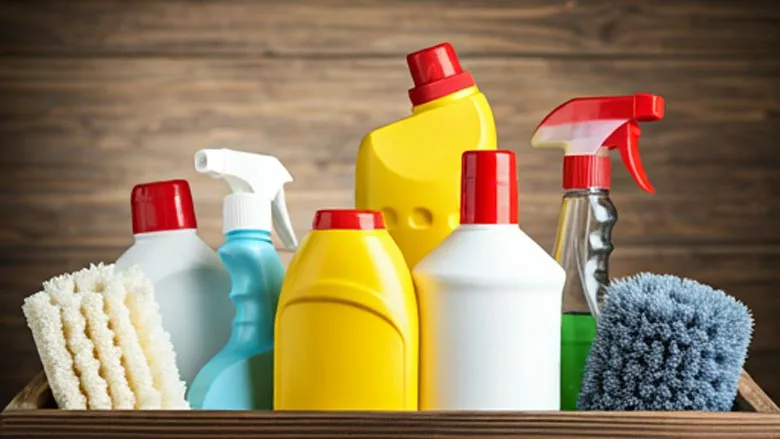
cleaning products

Image generated by Google Gemini

November 26, 2024

Professional Restorers possess a solid foundation in knowledge with regard to the science of drying following a water loss within a structure. From the control of ambient temperatures to the application of thermal energy to wet materials, the science of drying is understood by many within the restoration industry. While the establishment of a successful drying strategy is paramount, is the restoration industry overlooking an equally important topic? 

The evaluation for the necessity of cleaning and cleaning properly prior to drying is equally important as properly drying a structure following a water damage. In an ideal world, houses and businesses receive adequate and routine cleaning to promote a clean and healthy environment. However, those of us in the restoration industry are well aware that we do not operate within an ideal environment at all times. 

Unfortunately for some, cleaning is viewed as the application of an anti-microbial before bringing drying equipment onto a loss site and turning it on. The application of an anti-microbial may be a component of the cleaning process, but it should not be the only one. 

The methods, tools, and products used to clean a surface can vastly vary depending on the sum of multiple components of a loss site. Considering the source of water and its Category is a large component, but the overall environment of the structure should also be considered. Detaching a refrigerator may uncover years of dog treats, fur and other organic material hidden from sight. Carelessly cutting up carpet and pad has the potential to dislodge countless contaminants from within. Air movers used to exhaust humidity from a structure may distribute particulates throughout a structure. There are countless ways that Restorers can potentially cause disturbances within a “dirty” structure that could adversely affect occupants or workers. 

As Restorers work to establish their drying strategy, we should also be evaluating the structure for potential contaminants and how to successfully remove them prior to drying. Source removal is always the best option, but the methods and tools may differ depending on what is present.

cleaningImage generated by Google Gemini

A HEPA vacuum may be used to remove pet fur, dust, sand, or other small contaminants that are not bonded to surfaces within a structure. Other contaminants may need the application of a mechanical action and detergent to remove. An abrasive towel or cloth along with a detergent may certainly be warranted in the mitigation phase of a Category 2 or 3 loss. Failure to remove contaminants prior to drying can and often will lead to rightful complaints of odors and airborne contaminants by property owners. The removal of contaminants after drying has been completed will almost certainly be more laborious and costly from a financial perspective. Additionally, our customers may form a negative opinion of our professional services. 

While not all water damages will require the application of an anti-microbial, certainly there are those that will. Perhaps a benefit of the COVID-19 virus was the heightened level of discussions and emphasis placed on cleaning methods and techniques. A crucial step in applying an anti-microbial is the preparation of the surface(s) prior to applying the anti-microbial. To properly prepare a surface for an anti-microbial, Restorers should clean the surface with a detergent to remove as much organic material as possible. 

Failure to remove organic material prior to applying an anti-microbial may result in little to no efficacy of the anti-microbial as it is neutralized by the organic material that was not removed. Most, but not all anti-microbials within the restoration industry rely on positively charged ions that disturb or pierce the membranes of bacteria to achieve its kill factor. By not cleaning properly before the application of an anti-microbial, a restorer runs the risk of leaving behind potentially harmful bacteria and furthermore, being inefficient and wasteful with consumables. 

As Professional Restorers there is a sense of pride in understanding the science of drying, responding quickly following a loss and managing the conditions to correctly dry a structure. With the aforementioned sense of pride, Professional Restorers should equally have a desire for creating and working within a clean environment. A clean environment is not only owed to our clients, but to our team members as well. Before starting your next water damage restoration project, step back and ask yourself – “Is this structure clean?”

KEYWORDS: drying techniques restorative drying

Share This Story

Looking for a reprint of this article?
From high-res PDFs to custom plaques, order your copy today!

Matt wildt 200px

Matt Wildt is an IICRC Triple Master Restorer, IICRC Instructor, and is currently employed by Paul Davis Restoration as the Vice President of Training. 

Contact – Matthew.Wildt@PaulDavis.com

Recommended Content

JOIN TODAY
To unlock your recommendations.

Already have an account? Sign In

  • mold remediation

    Fighting Mold and Bacteria Damage

    Successful mold remediation can be multidisciplinary,...
    Mold Remediation
    By: Josh Woolen
  • certifications and licenses for restoration professionals

    Certifications and Licenses Every Restoration Company Needs

    Restoration companies need to make sure they have the...
    Restoration Training/Education
    By: Sharon Elzarat
  • a wall covered in moss and fungus

    Zero Tolerance for Toxic Molds: Essential Steps for Successful Remediation

    Understanding the importance of zero tolerance for toxic...
    Mold Remediation
    By: Michael A. Pinto CSP, SMS, CMP, RTPE, FLS, ERS and Kendra Seymour
You must login or register in order to post a comment.

Report Abusive Comment

Manage My Account
  • eNewsletter
  • Online Registration
  • Subscription Customer Service
  • Manage My Preferences

More Videos

Popular Stories

Ask the Expert - Inside the Cost of Doing Business Survey: What It Means for Restoration Companies Today

Inside the Cost of Doing Business Survey: What It Means for Restoration Companies Today

Ask the Expert - Margin vs. Markup: The Costly Confusion in Restoration

Why Understanding Markup, Margin and Overhead is Critical for Restoration Success

mold spores

Mold and Mental Health: The Dual Crisis Facing Indoor Environmental Remediation Teams

2025 Technician Award winner - Congratulations, Kaylin Glaspie!

Events

January 20, 2026

INTRCONNECT

Dive into the latest trends, innovations, and best practices shaping the future of property insurance and restoration.

April 27, 2026

RIA Convention & Expo

This event empowers professionals through world-class education, powerful networking, and access to cutting-edge tools and services.

View All Submit An Event

Poll

Technology Innovations

Which emerging technology do you believe will have the biggest impact on restoration work in the next 5 years?
View Results Poll Archive

Products

The Cleaning, Restoration, Inspection, and Safety Glossary

The Cleaning, Restoration, Inspection, and Safety Glossary

The Cleaning, Restoration, Inspection, and Safety Glossary.

See More Products
Prepare for CATASTROPHE with R&R!

Related Articles

  • IICRC Logo

    Critical Analysis of the E3 Drying Metric: Validity and Application in Water Damage Mitigation

    See More
  • The Importance of Relationships in the Restoration and Cleaning Industries

    See More
  • guided packout practice

    The Importance of Proper Training in Restoration: Takeaways from Inventory, Wrapping and Cleaning

    See More

Related Products

See More Products
  • Water-Damage---Part-2.gif

    Water Damage - Mitigation & Restoration Volume II - Technical Procedures

  • Water Damage - Part 1.pdf

    Water Damage - Mitigation & Restoration, Volume I - Management & Marketing

  • Water in Buildings: An Architect's Guide to Moisture and Mold

See More Products

Related Directories

  • Rytech Restoration of the Midlands

    No one plans for the destruction caused by water, fire or mold, but when it happens, the team at Rytech Restoration of The Midlands is here to help. Our certified specialists provide 24/7 emergency service to get you and your Columbia SC home or business back to normal as quickly as possible. From residential homes to commercial buildings, we specialize in mold remediation, water damage restoration, and fire and smoke damage cleanup. Our live specialists are ready to answer your questions and dispatch a local specialist to your door. Schedule a free inspection and estimate today!
  • 1-800 WATER DAMAGE

    1-800 WATER DAMAGE is one of the most-trusted property damage restoration companies in the U.S. We are available 24/7 to provide prompt, thorough restoration services. When you rely on 1-800 WATER DAMAGE for your damage restoration needs, you can expect: top-quality restoration services, IICRC-Certified specialists and service backed by BELFOR Property Restoration.
  • The Institute of Inspection Cleaning and Restoration Certification (IICRC)

    The IICRC is a non-profit, ANSI-accredited Standards Developing Organization that certifies individuals in 20+ categories within the inspection, cleaning, and restoration industries. Its mission is to identify and promote an international standard of care that establishes and maintains the health, safety, and welfare of the built environment.
×

Stay ahead of the curve with our eNewsletters.

Get the latest industry updates tailored your way.

JOIN TODAY!
  • RESOURCES
    • Advertise
    • Contact Us
    • Directories
    • Store
    • Want More
    • Submit a Press Release
  • SIGN UP TODAY
    • Create Account
    • eNewsletters
    • Customer Service
    • Manage Preferences
  • SERVICES
    • Reprints
    • Marketing Services
    • Market Research
    • List Rental
    • Survey/Respondent Access
  • STAY CONNECTED
    • LinkedIn
    • Facebook
    • Instagram
    • YouTube
    • X (Twitter)
  • PRIVACY
    • PRIVACY POLICY
    • TERMS & CONDITIONS
    • DO NOT SELL MY PERSONAL INFORMATION
    • PRIVACY REQUEST
    • ACCESSIBILITY

Copyright ©2025. All Rights Reserved BNP Media.

Design, CMS, Hosting & Web Development :: ePublishing