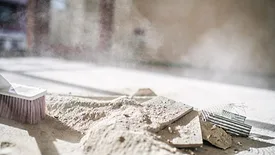
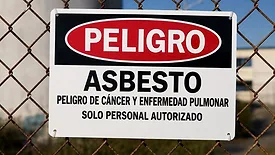
Learn how plaster and lath have evolved into modern drywall and what restorers need to know about silica, gypsum, and other hazards from construction dust.
David Gavilanes shares how restorers can properly prepare for fire response with hazard assessments, PPE, communication, community education, and partnerships.
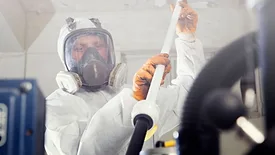
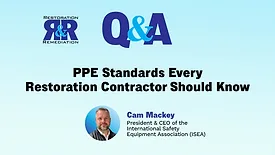
ISEA’s President and CEO, Cam Mackey, discusses PPE Standards, safety footwear, glove selection, ANSI guidance, and best practices for restorers to improve their safety in this exclusive Q&A.
Learn how fatigue impacts restorers' PPE compliance, decision-making, and worker safety on job sites, and learn practical strategies that help reduce restorers' risks and improve their safety.
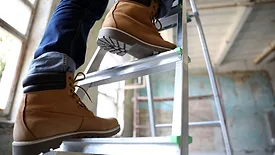
Learn about OSHA’s ladder safety requirements for restorers, including ladder use, training, inspections, and best practices that help reduce falls and citations.
OSHA requirements require workers to receive training before they are exposed to workplace hazards, not after. Here’s how asbestos, bloodborne pathogens, silica, and hazard communication requirements can affect restorers from the start of the job.
 RSS
RSS