Ask the Expert
PPE Standards Every Restoration Contractor Should Know
Safety is one of the most critical, yet often overlooked, components of our industry. From water and mold remediation to demolition, contents, and disaster response, restorers face a complex mix of hazards every day.
In this Q&A, Cam Mackey, President and CEO of the International Safety Equipment Association (ISEA), shares his insights on the role of personal protective equipment (PPE), the importance of ANSI-accredited safety standards, and how restorers can make more informed decisions about hand protection, slip-resistant and safety-toe footwear, PPE adoption, and overall worker safety.
How does ISEA directly benefit the restoration industry, and where do you see the strongest alignment today?
ISEA is the voice for the industry that supplies the personal protective equipment (PPE) restoration workers rely on every day, including gloves, footwear, eye and face protection, respirators, hearing protectors, first aid supplies, protective apparel, and more. As a united industry, our members develop ANSI-accredited safety equipment standards and help ensure those standards reflect real-world working conditions.
Hazards faced by workers in the restoration industry are similar to those in many high-risk work environments. Crews may be exposed to water-damaged materials, chemical and biological contaminants, sharp debris, confined or cluttered spaces, and physically demanding cleanup work. In most cases, workers face multiple hazards on the same job.
Where we see the strongest alignment is in clarity and consistency. ISEA’s mission is to help ensure safety products are better, conforming, understandable, and used properly. In practice, that means helping employers and workers better understand PPE classifications, markings, performance claims, and conformance so they’re not left guessing what “compliant” or “protective” really means.
Have you had any prior interaction with restorers or restoration industry associations, and if not, where do you see the biggest opportunity to engage moving forward?
Restoration sits at an important intersection of the industries our members serve, including construction, environmental response, disaster cleanup, and industrial safety.
The biggest opportunity is education and collaboration. Restoration companies are managing fast-changing jobsite conditions, and PPE decisions often have to account for several hazards at once. ISEA and its members can help by explaining how safety equipment standards apply to that work, what markings and classifications mean, and how companies can use current standards to make more informed decisions.
Looking for quick answers on restoration, remediation and cleaning topics?
Try Ask R&R, our new smart AI search tool.
Ask R&R →
There’s also an opportunity to create more consistency across the industry so that PPE expectations don’t vary widely by client, site, or contract. Clearer guidance helps employers, safety managers, and crews work from the same understanding of what protection is needed and why.
While restoration-specific injury data is limited, we consistently see three leading risk categories: slips/trips/falls, hand injuries, and strains/sprains. What resources does ISEA offer to help industries like ours reduce these risks?
Those three categories are among the most common across the industries ISEA and its members support, and they’re also areas where the right PPE can make a meaningful difference.
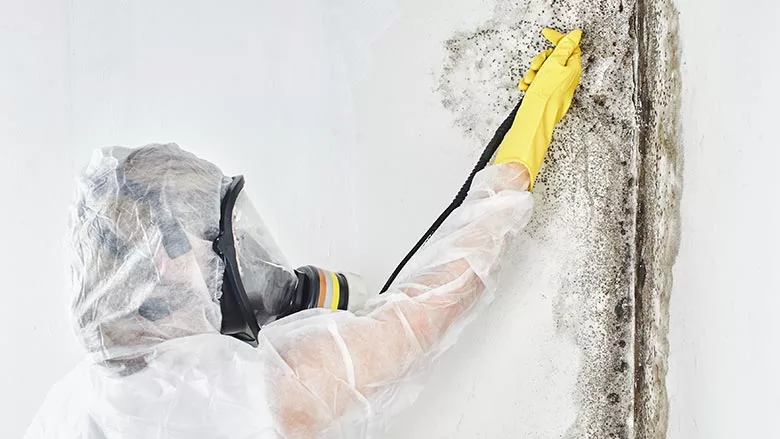
ISEA develops and maintains ANSI-accredited standards that define performance for many types of PPE used to address those risks. That includes cut- and puncture-resistant gloves, eye and face protection, first-aid supplies, and protective apparel, such as coveralls worn by remediation professionals working around hazardous materials or contaminants.
Beyond standards development, ISEA provides educational resources that help explain how those standards translate into product selection. We also work closely with manufacturers that can help interpret technical performance requirements and explain how different products are designed, tested, and intended to perform in specific conditions.
For restoration companies, the value is practical: better information makes it easier to choose PPE that fits the hazard, the work environment, and the way crews actually move through a jobsite.
Hand injuries including cuts, punctures, and crush hazards are common in the restoration industry. What guidance does ISEA provide on selecting the right cut-resistant or puncture-resistant gloves for real-world jobsite conditions?
Many hand and arm injuries could be prevented with proper PPE. For restoration and remediation teams, the challenge is often choosing gloves that reflect the actual exposures on the job.
Crews may be handling sharp debris, nails, broken materials, rough surfaces, chemicals, sewage, mold, or other contaminated materials. Some jobs also involve exposure concerns tied to hazardous substances like fentanyl. No single glove protects against everything, so it’s important to understand the hazards before selecting the glove.
ISEA develops and published ANSI/ISEA 105-2024, the standard that helps make glove selection clearer. It provides performance ratings for cut resistance, puncture resistance, abrasion resistance, chemical permeation, and other protective properties. These ratings are marked directly on gloves, so managers and workers can compare protection levels instead of relying on broad claims like “cut-resistant” or “heavy-duty.”
That matters in restoration because the work changes quickly. A glove that works for light cleanup may not be enough for demolition, debris removal, or handling jagged materials. ANSI/ISEA 105 gives teams a more practical way to compare glove performance against the hazards they’re actually facing.
Dexterity is a major concern for restorers handling detailed work. How should companies balance protection levels with usability when selecting hand PPE?
This is a common challenge across many industries. Higher levels of hand protection have historically been associated with thicker, less flexible gloves, which can make detailed tasks more difficult.
The good news is that glove design and manufacturing techniques have improved a lot over the last 10 years. Most modern gloves are engineered to provide cut, puncture, abrasion, or chemical resistance while still supporting flexibility, grip, and dexterity.
The balance comes from looking at both the hazard and the task. A glove used for detailed work, tool handling, or work in tight spaces may need different features than one used for demolition, debris removal, or handling sharp materials. The goal is to provide enough protection from the exposure without making the work harder.
PPE manufacturers and distributors can be valuable partners in that process. They understand how glove materials, coatings, liners, and performance ratings affect both protection and usability, and they can help employers choose options that fit real jobsite conditions.
Slips and falls are a daily risk, especially in wet or debris-filled environments. What should restorers know about modern slip-resistant footwear and evolving standards?
In restoration, like many industries, footing can change from one step to the next.
Slip-resistant footwear has come a long way, but performance still depends heavily on the environment. Factors like surface type, moisture, contaminants, and tread design all influence how well a boot or shoe performs in real-world conditions.
Rather than relying on a general “slip-resistant” label, it’s important to consider how footwear is tested and where it’s intended to be used. A boot designed for smooth, wet surfaces may not provide the same traction in a cluttered or uneven restoration setting.
For restoration companies, the focus should be on selecting footwear that matches the full scope of the jobsite, supporting stability, protection, and mobility across changing conditions.
Toe crush injuries are often overlooked in our industry. When does safety-toe footwear become critical and how companies should evaluate those hazards?
Safety-toe footwear is required when there’s a reasonable risk of injury from falling, rolling, or heavy objects in the workplace. In restoration and remediation, that risk may show up during demolition, debris removal, equipment transport, contents handling, appliance removal, or cleanup in damaged structures where materials can shift unexpectedly.
That’s important because toe crush hazards aren’t limited to traditional heavy industrial settings. A water-damaged home, fire restoration site, or mold remediation job may still involve heavy tools, carts, dumpsters, building materials, wet contents, or unstable debris.
Companies should evaluate more than the weight of the objects being handled. They should also consider how often materials are moved, whether footing is stable, whether visibility is limited, and whether workers are operating in tight or cluttered spaces. Depending on the job, safety-toe protection may also need to be considered alongside slip resistance, puncture resistance, chemical exposure, or protection from contaminated materials.
Beyond selecting PPE, what best practices do you recommend for improving adoption and consistent use in the field, especially in fast-paced environments like restoration?
One of the biggest factors in whether PPE is used consistently is whether it feels practical and comfortable for the work being done. In fast-paced environments like restoration, crews need equipment that fits well, allows them to move, and doesn’t create new problems while they’re trying to get the job done.
Fit, comfort, and usability are just as important as the protection level itself. PPE that can realistically be worn through a full shift is more likely to stay on and be used correctly.
Training also plays an important role, but not just in how to wear the equipment. Workers are more likely to use PPE consistently when they understand why a specific product was selected for a specific hazard. That connection matters. It turns PPE from a rule into a tool that helps them do the job safely.
Companies can also improve adoption by involving workers in the selection process when possible. Crews can provide valuable feedback on fit, comfort, grip, visibility, movement, heat, and comfort before a product is used in the field.
What educational tools, standards, or certification resources does ISEA provide that restoration companies can start using immediately to elevate safety programs?
A good starting point is the standards themselves, which are available through safetyequipment.org. Those standards outline how PPE is tested and classified, which helps take some of the guesswork out of selection.
ISEA also provides educational resources, guides, and buyer tools that explain how to interpret standards and what they actually mean in practice. A lot of confusion in PPE selection comes from not fully understanding what a rating or label is telling you.
PPE manufacturers themselves play a key role in this process. They can help explain how their products are tested against current standards and how different options may perform under different conditions. When you combine those resources with a clear understanding of jobsite hazards, it becomes much easier to build a more consistent safety program.
Looking ahead, how can we partner more intentionally to close safety gaps and ensure PPE guidance reflects the realities of our work?
The most effective partnerships start with clear and regular communication between the people developing standards and the people working in real-world conditions. PPE standards are strongest when they reflect what’s actually happening on the job, not just what’s written in theory.
That’s especially relevant for restoration because the work often involves multiple hazards at once. A single job may include water, debris, mold, chemicals, sharp materials, limited visibility, and physically demanding cleanup. Those real-world conditions are exactly why ongoing dialogue matters.
There’s also a gap between current ANSI/ISEA standards and some of the older versions still referenced in federal regulations. Having access to current information helps employers make informed decisions and understand how protective equipment, testing, and best practices have evolved.
At the end of the day, the goal is the same on both sides: to make sure workers have equipment that’s not only compliant but most effective so they go home safe every day.
Looking for a reprint of this article?
From high-res PDFs to custom plaques, order your copy today!