4 Ways to Keep Restoration Jobsites Safe Between Shifts
Strategies that help protect restoration sites from weather damage, vandalism, theft, and liability risks
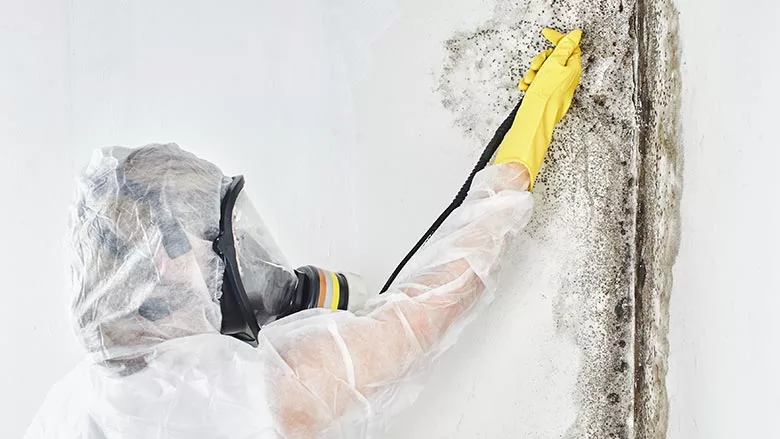
A restoration jobsite has unique vulnerabilities. Instead of a new build, it is often a client’s home or business, filled with property and valuable equipment. When unattended, it becomes a prime target for theft, vandalism, and additional damage from the weather.
This creates significant liability and financial risks, which is why a comprehensive, multi-layered security plan that addresses physical, technological, and environmental risks is a necessity.
1. Establish Physical Barriers and Deterrents
Restorers must ensure the site has a strong first line of defense that makes it an unappealing and difficult target.
Secure the Perimeter
Temporary fencing, such as chain links, is a nonnegotiable minimum for most sites to define their boundaries. Adding privacy screens to the fencing can obscure views of valuable tools and equipment from the streets. Restorers can also incorporate natural barriers, including walls and dense vegetation, into the perimeter to fortify weak spots.
Inspect the fence line daily for any signs of damage or tampering. Secure all the gates with high-quality, cut-resistant locks at the end of every shift.
Restorers rarely set up temporary fencing for homes because they usually remain occupied during the restoration process. Instead, restorers can ask residents to lock up their valuables or keep them in a storage pod for safekeeping while the job is ongoing.
Leverage Strategic Lighting
The risk of crime is higher after dark than during the day.1 To deter intruders from a jobsite, workers should use lights to illuminate entrances, dark corners and areas storing equipment and materials.
Looking for quick answers on restoration, remediation and cleaning topics?
Try Ask R&R, our new smart AI search tool.
Ask R&R →
All-night lighting provides constant illumination, ensuring there are no dark corners for intruders to hide or approach unseen. Meanwhile, motion-activated lights save energy and startle trespassers with sudden light, drawing immediate attention to the specific area.
Post Clear Warning Signage
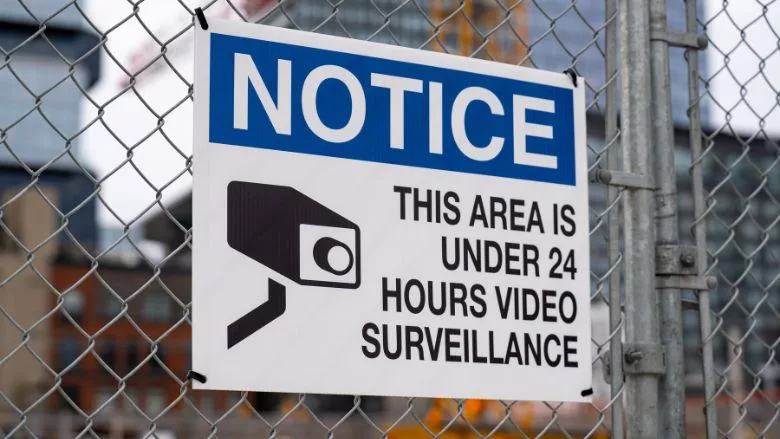
Posting signs saying things such as “No trespassing,” “24-hour video surveillance” and “Warning — construction zone” throughout your site can deter casual trespassers and reduce legal liability in case of an accident.
2. Use Technology for Active Surveillance
While barriers deter, technology provides the evidence and active alerts needed to stop a crime in progress or identify culprits after the fact. It can also put off potential trespassers, as a study found that a clear and dense camera network can significantly reduce crime.2
Choose High-Quality Systems
For restoration professionals, the quality of a surveillance system is critical. Relying on outdated, low-resolution technologies can make the site look like an easy target and capture footage that is vague or useless.3 Upgrading to modern systems helps mitigate these vulnerabilities and provides insurance and liability benefits.
Regularly Review the Footage
An offline or unoptimized network provides zero protection. Restoration teams should check the surveillance system regularly to ensure it is recording properly, the lenses are clean and the field of view remains unobstructed.
3. Control Access and Manage On-Site Assets
Jobsite access must be carefully managed. This includes establishing plans to protect valuable tools and materials from both internal and external threats.
Implement Strict Key or Code Management
On the jobsite, access to valuable equipment and materials should be limited to essential personnel only. It can be wise to use a contractor-grade lockbox and change the code regularly, especially after a project phase ends or an employee leaves.
Secure Tools and Equipment Daily
Teams should conduct daily inventory checks, lock all tools in a reinforced container or secure trailer and consider installing GPS trackers on high-value equipment.
Even locked boxes can be targets, so adding another layer of active monitoring can be beneficial. For example, restorers can point a wireless monitor at the tool lockup or a stack of materials to receive an instant alert if it is disturbed after hours.4
4. Protect the Site From Environmental Threats
It is important to develop measures to keep an already-compromised site safe from the elements, which can cause costly damage if unprotected.
Secure the Building Envelope
Damaged roofs should be covered with reinforced tarps and secured with proper fastening with battens. A slight pitch can prevent water from pooling. Jobsite teams should also board up broken doors and windows with plywood to protect against wind and rain.
Prevent Water Ingress
Sandbags and water diversion berms around foundations or low-lying areas can help keep water out. If heavy rainfall is imminent, restoration professionals can also deploy portable sump pumps in basements and similar spaces. Keeping the existing gutters and downspouts clear can prevent them from contributing to water problems.
Manage Site Debris
Loose materials and debris from the restoration work can become projectiles in high winds. Restoration workers should secure all loose items and maintain a clean, organized site at the end of each day. They can consolidate all debris into a designated pile covered with a weighted tarp or into a commercial dumpster with a lid.
Taking a Proactive Stance on Site Security
It is essential to develop a multi-layered approach to ensure a restoration site’s security. Teams can be proactive through strong physical deterrents, smart asset control, surveillance technology and diligent environmental prep plans.
Ultimately, a comprehensive strategy protects the site, the client’s trust and the company’s reputation.
Resources
- National Library of Science, “Does darkness increase the risk of certain types of crime? A registered report article.” https://pmc.ncbi.nlm.nih.gov/articles/PMC12194184/
- Science Direct. “Keeping an eye on the villain: Assessing the impact of surveillance cameras on crime.” https://www.sciencedirect.com/science/article/abs/pii/S0304387825001087
- Wayne Alarm. “Dangers of an Outdated Security System.” https://waynealarm.com/dangers-of-an-outdated-security-system/
- Modded. “8 Creative Ways to Protect Your Car From Thieves.” https://modded.com/cars/8-creative-ways-to-protect-your-car-from-thieves/
Looking for a reprint of this article?
From high-res PDFs to custom plaques, order your copy today!