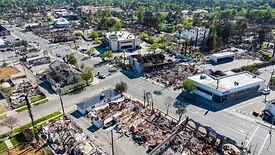
Wildland fire restoration projects that involve smoke and ash cleanup, contents cleaning, and replacing insulation can teach restorers a lot for future jobs.
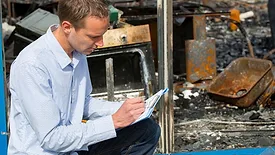
Here’s how restorers can manage their first fire restoration job, from initial assessment and contents restoration to project coordination, documentation, and final walkthrough.
Here’s why restorers should build relationships with environmental consultants, reconstruction contractors, and contents specialists before taking on fire losses.
Learn how thorough documentation and clear communication help restorers support their estimates, prevent project delays, and reduce claims disputes in fire restoration.
Here’s how embers, wildfire smoke, pressure, and wind can impact and contaminate standing homes including their wall cavities, occupied spaces, and attics.
As restorers, are we doing enough to address wildfire smoke contamination? California introduced new legislation that addresses testing, remediation, and insurance claims.
It’s easy to underestimate protein fires because the contamination may not resemble “traditional” soot. Ryan Whitney breaks down how restorers can assess, follow pathways, properly document the loss, and build a more defensible restoration scope.