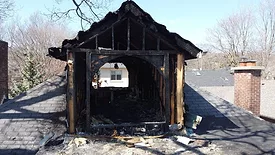
On this episode of Ask The Expert, learn why deodorization, hidden contamination, coatings, and customer communication are critical in fire restoration.
Josh Arthur and Jordan Kohn discuss smoke contamination, fire damage restoration, homeowner recovery, and best practices for responding to fire losses.
Annissa Coy shares how restorers can safely clean fire-damaged artwork, books, family heirlooms, and photographs while protecting their customer’s delicate and valued items.
Here’s how post-restoration evaluation verifies your work after fire restoration is complete through documentation, odor assessment, and residue removal.
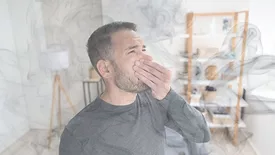
Learn why smoke odor can return after proper fire damage restoration which includes deodorization limits and the science behind our perception of odor.
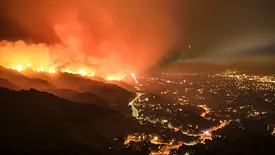
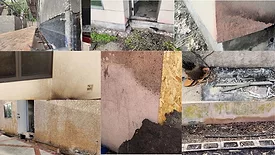
Learn how wildfire smoke and thermal pressure enter stucco wall systems through drainage openings, creating hidden contamination inside wall cavities and building assemblies.
In this episode of Ask Annissa, a homeowner impacted by the Pacific Palisades Fire asked for guidance on restoring her antique porcelain dolls damaged by the smoke. Annissa shares best practices for cleaning, deodorizing, and documenting.
In this episode of Ask Annissa, she shares best practices for packout, transporting, and cleaning wildfire-contaminated contents. She gives restoration professionals clear, defensible protocols to share with their customers.
After soot damaged a customer’s books in a kitchen fire, an industry professional asked for Annissa’s expert insights on cleaning them safely. See what works and what you should avoid.