Winning the Battle Against Smoke Odors: A Guide for Fire Restoration Technicians
Why fire odors linger and how to eliminate them with science, standards and a step-by-step strategy
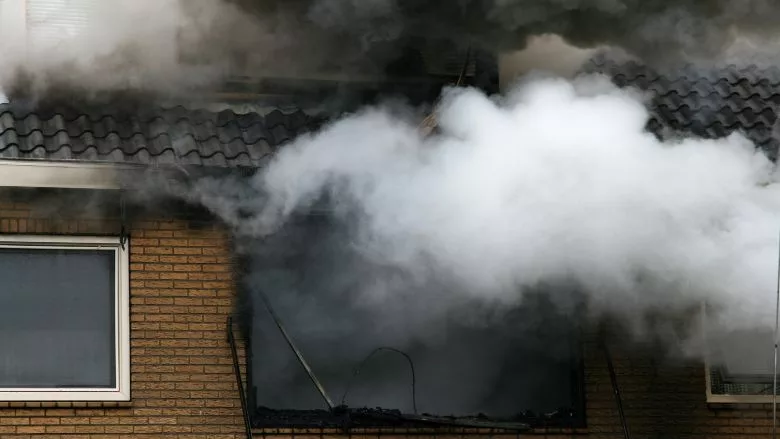
I was recently called to review a fire loss where the restoration team had done everything right—structural cleaning, sealing, even fogging. Yet the moment you walked through the door, the unmistakable odor of smoke hit you. The technicians were frustrated.
“We’ve cleaned everything twice—why does the smell keep coming back?”
That moment captures one of the most challenging realities in fire restoration: odor control is never as simple as spraying, sealing or fogging. Odors are persistent because they are complex, chemically active and deeply embedded. Unless we approach them scientifically and methodically, they will continue to haunt the jobsite long after the fire.
Unlike a surface spill or a single contaminant, fire odors are a cocktail of particulates, gases and residues left behind by combustion. They can contain volatile organic compounds, acids and resins—all of which have their own distinct behaviors and interactions with surfaces.
Every fire has its own signature: natural materials like paper, cotton or unfinished wood burn dry and fast, creating fine particulates that travel deep into cavities. Synthetics such as plastics or laminates release oily residues and sticky polymers that cling stubbornly to walls and ceilings. Protein fires—the dreaded kitchen loss—often leave little visible residue, but the odor is intense, pungent and extremely difficult to remove. Recognizing the type of fire and the nature of the residues is essential to solving odor complaints effectively.
To tackle odors effectively, technicians must understand how smoke travels. Driven by convection currents, smoke and hot gases seek the path of least resistance. They rise rapidly, then cool and deposit residues on surfaces. In this process, they are pulled into hidden voids such as wall cavities, HVAC systems and attics.
Because smoke particles are microscopic—smaller than 4 microns—they penetrate deeply into porous materials such as insulation, drywall and textiles. Once inside, they are not easily removed. This is why homeowners may continue to smell smoke weeks later, even after the visible soot has been cleaned.
Looking for quick answers on restoration, remediation and cleaning topics?
Try Ask R&R, our new smart AI search tool.
Ask R&R →
Odors also resurface with changes in temperature and humidity. On a hot summer day, residues trapped in structural cavities can re-emit volatile compounds, reminding the homeowner of the fire. That is why restoration cannot rely on masking agents; it must address the odor at its source.
Industry standards and decades of field experience point to a layered, four-step approach:
Source Removal: This is the cornerstone. Source removal is the most critical step in fire restoration because it directly addresses the materials and surfaces that were physically affected by fire, smoke and soot. These residues contain harmful chemicals, carbon and odor-causing compounds that, if left behind, will continue to off-gas, cause staining and pose health risks.
Cleaning of Contaminated Surfaces: Cleaning surfaces after a fire is important because smoke and soot residues contain corrosive and odor-causing compounds that will continue to damage materials and create persistent smells if not removed. Proper cleaning physically eliminates these residues from walls, ceilings, floors and contents, preventing further deterioration such as staining, etching or corrosion.
-
Recreate the Penetration: Penetrations are pathways where smoke, soot and heat travel and deposit contaminants and if these openings are not properly restored, odors and particulates can remain trapped or migrate into clean areas; therefore, recreating the penetration allows technicians to access concealed voids, remove contamination and seal it back to fire-resistance standards.
Once the bulk of residues are removed, technicians can apply odor counteractant. Thermal fogging, wet sprays and liquid or gas phase oxidizers such as ozone or hydroxyls are effective tools when applied to a clean substrate.
Sealing: In cases where complete removal is impossible—framing members, masonry or subfloors—professional-grade sealers can lock in residual odors. Sealing should be considered a final step, not a shortcut.
These steps are not only best practices—they are reinforced by the ANSI/IICRC/RIA S700 Standard for Professional Fire and Smoke Damage Restoration. The S700 provides a comprehensive, science-based framework that ensures work meets the recognized “standard of care,” builds confidence with clients and adjusters and reduces callbacks.
Modern restorers have a wide array of tools at their disposal, but success depends on selecting and sequencing them correctly. HEPA air scrubbers are essential from day one, reducing airborne particulates and preventing recontamination of cleaned surfaces. Thermal foggers allow counteractants to reach the same small spaces that smoke particles once penetrated. Ozone generators are highly effective oxidizers that break down odor molecules but require strict vacancy protocols due to health hazards. Hydroxyl generators are a safer alternative to ozone as well, producing radicals that neutralize odors over time. Sealers serve as a last line of defense when complete removal is impossible.
On that fire loss I was called to review, the technicians had indeed cleaned thoroughly. But they missed a key source: insulation in the attic space that had absorbed smoke. No amount of fogging or sealing could overcome that. Once we removed the contaminated insulation, re-cleaned the cavity and applied a targeted sealer, the odor complaints stopped.
This case is not unusual, as most odor complaints I encounter are not the result of equipment failures but rather overlooked sources and skipped steps, often compounded by untrained or underqualified technicians who may lack the knowledge of proper fire restoration procedures, cleaning techniques and the importance of thorough source removal; as a result, incomplete or improper work frequently leaves behind residues and hidden contaminants that continue to cause persistent odor problems long after the project is declared finished.
Persistent odors do more than frustrate homeowners—they damage reputations, delay claims and create liability. A customer or insurance adjuster who continues to smell combustion-related odors weeks after a project may question whether the restorer followed industry standards and may even doubt if the company or its technicians are truly qualified and skilled to handle the project. These concerns not only undermine confidence in the restorer’s work but also open the door to disputes, re-inspections and potential loss of future referrals.
There are a few consistent lessons every technician should carry with them:- Odor is not just in the air. It lives in surfaces, cavities and residues.
- Sequence matters. Remove, clean, deodorize, then seal—always in that order.
- Do not skip hidden spaces. Attics, crawlspaces and HVAC systems are common odor reservoirs.
- Documentation protects you. Record every step and piece of equipment used.
Most importantly, respect the science. Odor control is grounded in chemistry, physics and microbiology. Cutting corners almost guarantees callbacks.
Odor control is one of the most demanding aspects of fire restoration because it cannot be faked. Homeowners know instantly whether it was successful, and no amount of explanation can mask the smell of smoke if it lingers.
But for those who master it, odor control is also one of the most rewarding skills in restoration. It is the moment when a fire-damaged house feels like a home again—when occupants can breathe freely without being reminded of their loss.
As restorers, our responsibility is not just to remove debris and clean surfaces, but to restore comfort, safety and confidence. And that requires treating odor control not as an afterthought, but as a science-driven process. Follow the steps, use the tools wisely, document your work and you will win the battle against smoke odors—every time.
Looking for a reprint of this article?
From high-res PDFs to custom plaques, order your copy today!