As restorers, are we doing enough to address wildfire smoke contamination? California introduced new legislation that addresses testing, remediation, and insurance claims.
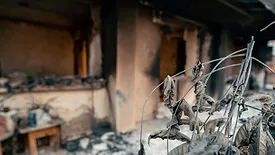
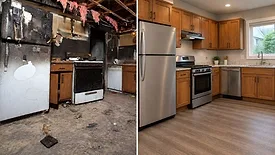
Fire damage goes far beyond removing soot and repairing visible damage. Learn about commonly overlooked contamination, fire suppression water damage, documentation, safety, and exceptional customer service.
It’s easy to underestimate protein fires because the contamination may not resemble “traditional” soot. Ryan Whitney breaks down how restorers can assess, follow pathways, properly document the loss, and build a more defensible restoration scope.
On this episode of Ask Annissa, she breaks down how restorers can prioritize wildfire losses using testing, safety, contamination levels, available resources, and customer needs.
Key considerations for cleanup and restoration contractors, insurance adjusters, and industrial hygienists for buildings impacted by wildfire and WUI fires
Learn why fire restoration goes far beyond cleaning and how defining objectives, documenting properly, and verification can support restoration outcomes.
On this episode of Ask The Expert, learn why deodorization, hidden contamination, coatings, and customer communication are critical in fire restoration.
Josh Arthur and Jordan Kohn discuss smoke contamination, fire damage restoration, homeowner recovery, and best practices for responding to fire losses.