Ask the Expert
Wildland Fire Restoration: Lessons From a Whole-Home Recovery Project
Why thorough cleaning, surface preparation, and coordination are critical in wildland fire restoration
Wildland fire losses can present unique challenges for restorers, especially when smoke, soot, and ash affect areas beyond the visible damage. From cleaning and surface preparation to material replacement and communication with the homeowner, understanding the full scope of the loss is an important part of the restoration process.
In this Q&A, we're taking a closer look at a wildland fire restoration project and how the team approached the challenges they encountered. We're discussing the scope of work, the importance of proper preparation, coordination between trades, and the lessons restorers can take away from the project.
Can you give us an overview of the fire loss and the scope of work your team handled?
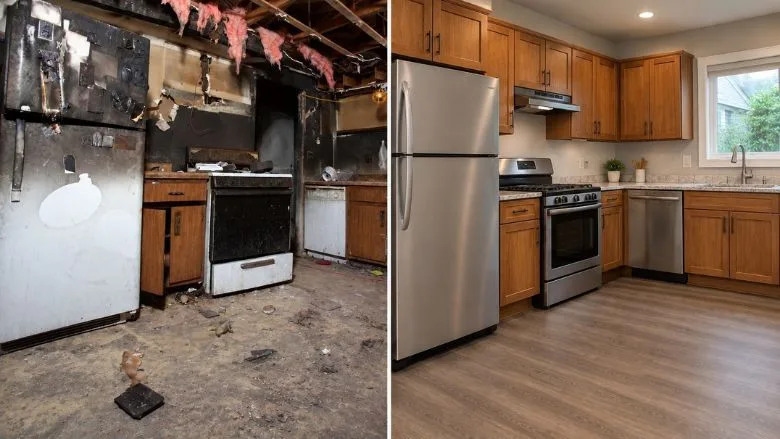
This project involved restoring a home impacted by a wildland fire. Even when flames don't completely destroy a home, wildfire smoke, soot, and ash can affect both the interior and exterior of the property.
Our scope of work included thoroughly cleaning all contents, removing and replacing all insulation in the attic and crawlspace, cleaning and preparing the affected surfaces, sealing them to help prevent residual smoke odors and staining from bleeding through, and repainting the interior and exterior of the home. We also replaced the windows and flooring to help return the property to a clean, safe, and livable condition.
Our overall goal was to restore the home's appearance and functionality while giving the homeowner confidence in the finished product.
What were the biggest challenges your team faced during this project, and how did you overcome them?
One of the biggest challenges with wildland fire restoration is that the damage is not always immediately visible. Smoke residue, ash, and lingering odors can affect surfaces throughout a home, even in areas that may initially appear unaffected.
The key was taking the time to properly clean and prepare the surfaces before moving into sealing and painting. Coordinating the different phases of work, including window and flooring replacement, was also important to maintaining an efficient workflow.
Looking for quick answers on restoration, remediation and cleaning topics?
Try Ask R&R, our new smart AI search tool.
Ask R&R →
By planning ahead, communicating with everyone involved, and paying close attention to preparation and detail, we were able to work through these challenges and keep the project moving forward.
Was there anything unusual about this loss that made it different from a typical structure fire restoration project?
What makes wildland fire losses different is that the damage can extend well beyond what you would normally associate with a house fire. Instead of damage being concentrated in one room or area, wildfire ash, smoke, and airborne contaminants can affect the exterior and interior of the home. Windows and other openings can also be vulnerable to heat, smoke, and debris.
This project required us to look at the home as a whole and address both the exterior and interior rather than focusing on just one isolated area. It reinforced how important it is to evaluate the full extent of the impact before beginning the restoration process.
What was the most critical decision your team made during the project, and why?
One of the most critical decisions was making sure the home was properly cleaned and prepared before applying sealers and paint. It can be tempting to move straight into cosmetic repairs, but if you don't address smoke residue and contaminants correctly, odors or staining can return and compromise the finished surfaces.
We focused on completing the necessary preparation first so that the coatings would perform as intended and the finished product would hold up over time. Taking the extra care at this stage helped protect the quality of the overall restoration.
What concerns did the homeowner have when you first arrived, and how did your team address them?
Like many homeowners dealing with wildfire damage, the property owner wanted to know that the team could restore the home properly and that the finished work would address more than just the visible damage.
Concerns about lingering smoke odors, the quality of the repairs, the appearance of the home, and how long the process would take are all understandable in this situation.
We addressed those concerns by explaining the work that needed to be completed, setting clear expectations, and keeping the homeowner informed as the project progressed. Our focus was to make the process as straightforward as possible and ensure the owner understood the steps we were taking to restore the home.
How did the homeowner respond throughout the restoration process, and what helped build their trust and confidence?
Throughout a restoration project, communication and consistency make a significant difference in the customer's experience. We worked to keep the homeowner informed about the progress of the work, explain what was happening at each stage, and address questions as they came up.
Following through on commitments, maintaining attention to detail, and taking pride in the quality of the finished work helped build confidence. When a homeowner is dealing with the stress of a wildfire loss, knowing that a team is listening, communicating, and working toward the same goal can make a difficult situation much easier to navigate.
What do you think homeowners are most surprised to learn about wildfire damage and the restoration process?
I think many property owners are surprised by how far wildfire smoke and ash can travel and how much work is involved in properly restoring a home. Damage is not always obvious, and simply wiping down surfaces or applying a fresh coat of paint is not necessarily enough.
Proper cleaning, surface preparation, sealing, and material replacement can all be necessary to achieve a lasting result. Homeowners are often surprised by how important the work behind the scenes is. The quality of the final appearance depends heavily on the preparation and care that go into the project before the finishing work begins.
What stood out most about your team's performance and collaboration on this project?
What stood out most was the team's commitment to doing the job correctly, not just getting it done. A project like this requires coordination between cleaning and preparation, painting, window replacement, and flooring installation. Each phase needs to be completed with the next step in mind.
Our team worked together to keep the project organized, maintain quality, and pay attention to the details that make a difference in the final result. Everyone understood that we were not simply completing repairs; we were helping a homeowner get their home back after a difficult event.
What lessons did your team take away from this project that will influence how you approach future fire losses?
This project reinforced the importance of a thorough initial assessment, proper surface preparation, and clear communication from the beginning.
With wildland fire losses, it is important not to underestimate the effects of smoke and ash or focus only on the damage that is immediately visible. Taking the time to understand the full scope, plan the sequence of work, and coordinate the different trades helps prevent problems later in the process.
We will continue to apply those lessons to future projects, with an emphasis on preparation, teamwork, and delivering a quality restoration that lasts.
Looking back, what stands out most about this project, whether it's the customer, the challenges, or the outcome?
What stands out most is the opportunity to help return a home to a condition the owner can feel good about again. A wildland fire can be a stressful and disruptive experience, and restoration is about more than replacing flooring, installing windows, and applying paint. It is about helping people move forward and regain a sense of normalcy.
Being able to take a home affected by wildfire, work through the challenges, and bring the interior and exterior back together into a finished, refreshed space is what makes projects like this rewarding.
Looking for a reprint of this article?
From high-res PDFs to custom plaques, order your copy today!