Wildfire Lead Contamination in Homes: Where Does it Come From?, Part 4
How WUI fires can spread lead dust from electronics, vehicles, buildings, and other materials
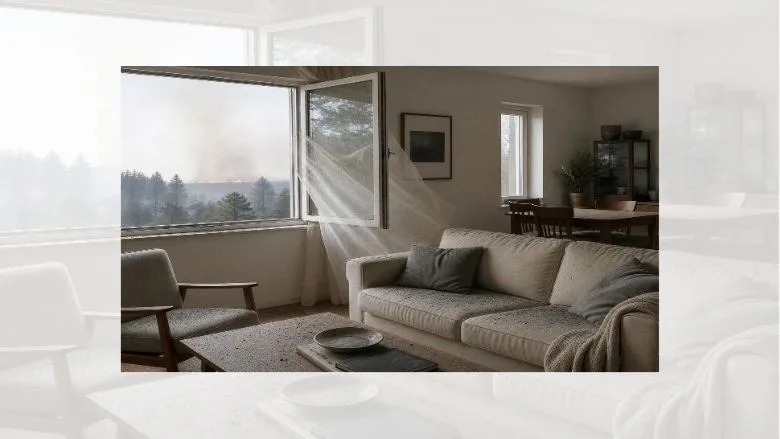
Part 3 focused on homes that are located immediately outside the wildfire or WUI fire burn perimeter. They are typically exposed to indirect fire effects rather than continuous flame impingement. Wind-driven embers (firebrands) ignition mechanisms are distinct from the sustained flame contact and high heat flux experienced within the burn zone. Additional research indicates that while homes outside the burn zone may ignite, the absence of prolonged radiant heat exposure and continuous combustion conditions reduces the likelihood of full structural involvement. As a result, damage outcomes are more dependent on localized conditions, including building design, maintenance, defensible space, and the presence of combustible materials adjacent to the structure. However, ignition risks exist, where homes outside the burn zone are subject to burning embers, and contamination from pressurized smoke containing combustion byproducts, VOCs, metals, etc.
Under wildfire conditions, elevated wind velocities and turbulent flow patterns substantially increase exterior pressure loads on structures, particularly at the windward façade, while simultaneously creating negative pressure zones on the leeward side. This pressure imbalance drives the forced movement of smoke-laden air into buildings through available leakage pathways. As described, fire behavior within structures is fundamentally governed by airflow, pressure differentials, and oxygen availability. The distinction between infiltration-driven (ventilation-limited / air-driven) fire conditions and pressurized fire conditions is well established in fire dynamics, building science, and fire protection engineering literature, and is directly relevant to WUI fire exposure, smoke movement, and structural contamination pathways. An infiltration-driven fire condition occurs when outside air is introduced into a structure through leakage pathways in the building envelope.
Fire Month
Prepare before wildfires with specially-curated articles during the month of October. Learn more!
11.0 LEAD-BASED PAINT IN RESIDENTIAL STRUCTURES: PRE-1978 VS. POST-1978 CONSTRUCTION
11.1 About Lead-Based Paint (LBP) in Older Structures vs. Post 1978 Construction:
The presence or absence of lead-based paint (LBP) in residential structures is a critical factor in environmental health risk assessments, regulatory compliance, and remediation decision-making. Federal and California regulatory frameworks uniformly recognize 1978 as the controlling threshold year for determining the likelihood of LBP in housing. This distinction directly influences inspection protocols, hazard evaluations, worker protection requirements, and abatement or control measures under applicable standards.
From an industrial hygiene perspective, the classification of a structure as pre-1978 or post-1978 directly affects hazard identification, exposure pathways, and the level of controls required during demolition, cleaning, or restoration activities is necessary, because:
- The presumption of LBP in pre-1978 housing often introduces additional regulatory obligations, including lead hazard evaluation, containment, worker protection, and specialized cleaning.
- The presumption of LBP in pre-1978 housing that are well maintained and have no friable issues of lead levels on surfaces, where contaminates were scientifically measured in soot, char, ash, and other debris, the deposition of lead is directly related to the WUI fire and not just the Pre-1978 building conditions.
- The presumption of LBP in post-1978 housing is often reflective of contaminants introduced into it by the WUI fire and not pre-fire loss building conditions.
11.2 Regulatory and Scientific Basis:
Lead-based paint was widely used in residential construction in the United States for its durability, adhesion properties, and resistance to moisture and corrosion. However, extensive epidemiological and toxicological research established that lead exposure is associated with significant adverse health effects, including neurodevelopmental impairment in children, cardiovascular effects in adults, and systemic toxicity affecting multiple organ systems. These findings led to progressive federal restrictions beginning in the 1970s.
The U.S. Consumer Product Safety Commission (CPSC) formally prohibited the manufacture and sale of lead-based paint for residential use in 1978, establishing a nationwide ban codified at 16 CFR Part 1303. This regulation remains the primary legal basis for distinguishing between housing likely and unlikely to contain LBP[1].
USEPA and HUD further define lead-based paint as paint containing lead at or above 1.0 mg/cm2 or 0.5% by weight. HUD guidelines establish that housing constructed prior to 1978 is presumed to contain LBP unless testing demonstrates otherwise, while post-1978 housing is generally not expected to contain LBP under compliant construction practices[2].
Looking for quick answers on restoration, remediation and cleaning topics?
Try Ask R&R, our new smart AI search tool.
Ask R&R →
The Centers for Disease Control and Prevention (CDC) recognizes that there is no safe level of lead exposure, reinforcing the importance of identifying and controlling LBP hazards in residential environments, particularly those affecting children[3].
California regulatory frameworks align with federal standards. Under CDPH guidance and Title 17 regulations, pre-1978 housing is treated as potentially containing LBP, triggering requirements for evaluation, disclosure, and lead hazard control measures. Additionally, Cal/OSHA standard for lead (CCR Title 8, §1532.1) requires employers to presume the presence of lead in pre-1978 construction when painted surfaces are disturbed, unless objective data demonstrates otherwise. This presumption mandates exposure assessment, implementation of engineering controls, respiratory protection, hygiene facilities, and medical surveillance where applicable[4].
The USEPA Renovation, Repair, and Painting (RRP) Rule further requires certified contractors and lead-safe work practices when disturbing painted surfaces in pre-1978 housing, reinforcing the regulatory framework governing LBP management.
11.3 Application in Fire, Smoke, and Environmental Contamination:
In wildfire and structural fire events, combustion and thermal degradation of painted building materials can result in the aerosolization and redistribution of lead-containing particulates. Elevated temperatures can volatilize and entrain “lead compounds” into smoke plumes, followed by condensation and deposition onto interior and exterior surfaces as fine particulate matter.
In structures constructed prior to 1978, painted architectural components (e.g., walls, trim, doors, windows, and cabinetry) represent a significant potential source of lead contamination in soot, ash, and settled dust. This has direct implications for:
- Environmental sampling strategies, including wipe sampling consistent with HUD and EPA protocols (e.g., dust wipe sampling for µg/ft2 comparison thresholds).
- Worker exposure risk assessments under Cal/OSHA lead standards, particularly during cleaning, demolition, or disturbance of contaminated materials.
- Determination of appropriate remediation approaches, including HEPA-controlled cleaning, containment, and potential removal of impacted materials.
- Classification of debris, contents, and building materials as hazardous or non-hazardous waste depending on analytical results and regulatory thresholds.
- In post-1978 construction, the likelihood of lead originating from architectural coatings is substantially reduced; however, exceptions may exist. These include legacy materials remaining in place, imported products with non-compliant coatings, specialty industrial coatings, or contamination from external sources such as WUI fire deposition of lead-bearing particulates from burned structures, vehicles, or infrastructure.
- From a building science perspective, once deposited, lead-containing particulates can accumulate on horizontal surfaces, within HVAC systems, and in porous and semi-porous materials, creating long-term reservoirs that may be re-aerosolized through occupant activity or mechanical disturbance.
11.4 Summary:
- Lead-based paint was effectively banned for residential use in the United States in 1978, and this date serves as the accepted regulatory threshold across federal and California agencies.
- Residential structures constructed prior to 1978 are presumed to contain lead-based paint and are therefore subject to enhanced regulatory controls, environmental assessment requirements, and worker protection standards.
- Structures built after 1978 are generally considered low risk for lead-based paint under compliant construction practices; however, exceptions may occur due to legacy materials or non-compliant products.
- In fire and WUI scenarios, pre-1978 structures represent a significant potential source of lead contamination due to thermal degradation and redistribution of lead-containing coatings.
- The pre-1978 versus post-1978 distinction is foundational in environmental investigations, industrial hygiene assessments, and remediation decision-making, particularly where combustion byproducts may contain heavy metals requiring regulatory compliance and worker exposure control.
Technical References:
[1] U.S. Consumer Product Safety Commission (CPSC) “Ban of Lead-Containing Paint and Certain Consumer Products Bearing Lead-Containing Paint” (16 CFR Part 1303), 1978
[2] U.S. Department of Housing and Urban Development (HUD) “Guidelines for the Evaluation and Control of Lead-Based Paint Hazards in Housing”
[3] Centers for Disease Control and Prevention (CDC) “Childhood Lead Poisoning Prevention Program: Lead in Paint”
[4] Cal/OSHA Lead Standard CCR Title 8, §1532.1 Lead
12.0 DEPOSITION OF LEAD AND HEAVY METALS IN RESIDENTIAL STRUCTURES FOLLOWING WUI FIRE EVENTS
12.1 About the Deposition of Lead and Heavy Metals:
WUI fire events generate a fundamentally different contamination profile than vegetation-only wildfires due to the combustion of anthropogenic (man-made) materials, including painted building components, wiring, electronics, plastics, treated wood, vehicles, and household contents. These materials introduce a broad spectrum of metals and metal-containing compounds into the fire plume, significantly increasing the toxicological complexity of resulting smoke and deposited residues.
The deposition of lead and other heavy metals within residential environments directly impacts environmental health risk, regulatory compliance, worker protection, and post-loss remediation scope. This is particularly critical in indoor environments, where deposited contaminants are not readily dispersed and may persist as long-term reservoirs within settled dust and on building materials and contents.
From an industrial hygiene perspective, heavy metals associated with fire-generated particulate matter create persistent and multi-pathway exposure risks, including inhalation of re-aerosolized particles, ingestion via hand-to-mouth transfer (particularly in children), and dermal contact with contaminated surfaces. These exposure pathways necessitate a higher level of hazard recognition, control, and verification than conditions associated with vegetation-only smoke impacts.
12.2 Regulatory and Scientific Basis:
WUI fires generate a chemically complex smoke plume consisting of particulate matter and gaseous byproducts derived from the combustion of vegetation, building materials, vehicles, and household contents. The USEPA identifies that wildfire smoke in WUI settings contains elevated concentrations of trace metals, including lead, copper, and zinc, attributable to the burning of structural and synthetic materials[1]. These emissions differ significantly from wildland-only fires due to the inclusion of human-made sources.
Peer-reviewed research demonstrates that concentrations of hazardous air pollutants, including toxic metals, increase in relation to the number of structures burned, establishing a direct relationship between structural fire loss and environmental contamination[2].
Studies evaluating emissions from urban and WUI fires confirm the release of multiple toxic substances, including hydrogen cyanide, hydrogen chloride, hydrogen fluoride, isocyanates, PAHs, VOCs, SVOCs, dioxins, furans, and heavy metals such as lead, chromium, cadmium, and arsenic[3].
Scientific literature further establishes that WUI smoke differs in composition from vegetation-only smoke due to the combustion of residential construction materials, furnishings, and consumer products, resulting in a more complex and toxic emission profile with increased metals and synthetic compounds not typically present in biomass combustion alone[4].
Under California regulatory frameworks, these contaminants are recognized as hazardous substances when present at levels that may pose a risk to human health. Cal/EPA and CDPH provide guidance on environmental health risks associated with heavy metals and contaminated dust, including lead hazard evaluation and exposure pathways. In occupational settings, the Cal/OSHA standard for lead (CCR Title 8, §1532.1) that requires protective measures when employees may be exposed to lead-containing dust generated from disturbance, cleanup, or handling of contaminated materials[5].
12.3 Transport, Infiltration, and Deposition Mechanisms:
Airborne contaminants generated during WUI fires are transported via wind-driven dispersion, thermal buoyancy, and pressure differentials, allowing smoke and particulate matter to travel significant distances downwind of the fire perimeter.
These contaminants infiltrate buildings through leakage pathways in the building envelope, including vents, soffits, attics, wall assemblies, fenestrations, and mechanical penetrations. Windward positive pressure and leeward negative pressure conditions drive air exchange, forcing smoke-laden air into interior and concealed spaces.
Once inside, particles deposit onto interior surfaces, furnishings, HVAC systems, and within settled dust reservoirs. Deposition is influenced by particle size, air velocity, surface characteristics, and electrostatic interactions.
Lead and other heavy metals are commonly associated with fine (PM2.5) and ultrafine particulate fractions, which facilitates deep penetration into indoor environments and enhances their ability to remain airborne for extended periods prior to settling.
Settled dust becomes a long-term reservoir for these contaminants. Routine occupancy activities (walking, cleaning, HVAC operation) can re-aerosolize deposited particles, contributing to prolonged exposure conditions even after the fire event has ceased.
12.4 Application to Post-Fire Environmental Assessment and Remediation:
In structures impacted by WUI fire events, the presence of lead and other heavy metals in settled dust must be considered in environmental sampling and remediation planning. Failure to evaluate and address heavy metal contamination may result in incomplete remediation, regulatory non-compliance, and continued occupant and worker exposure risks, which includes:
- Implementation of surface wipe sampling consistent with HUD and EPA protocols (e.g., dust wipe sampling for comparison to µg/ft2 thresholds) to quantify contamination levels.
- Development of exposure assessments for occupants and workers, particularly under Cal/OSHA lead standards and federal Hazard Communication (HazCom) requirements (29 CFR 1910.1200).
- Selection of appropriate engineering controls, including containment, negative air, and HEPA-filtered equipment to prevent cross-contamination and worker exposure.
- Use of cleaning and decontamination methodologies capable of addressing both particulate-bound metals and associated organic residues (e.g., HEPA vacuuming, detergent-based cleaning, and specialty chemistries where applicable).
- Evaluation of contents and materials to determine salvageability versus disposal, with particular attention to porous and semi-porous materials that may act as long-term contaminant reservoir.
12.5 Summary:
- Homes impacted by WUI fires are subject to contamination from smoke and wind-driven transport of combustion byproducts that include heavy metals such as lead, copper, zinc, chromium, cadmium, and arsenic, as well as a wide range of toxic organic compounds.
- These contaminants originate from the combustion of structural materials, vehicles, and household contents, creating a more complex and hazardous exposure profile than vegetation-only wildfires.
- Contaminants are transported downwind, infiltrate residential structures through pressure-driven airflow, and deposit on interior surfaces and within settled dust, where they may persist and be re-aerosolized over time.
- Scientific and regulatory frameworks recognize the health risks associated with these contaminants, requiring appropriate environmental assessment, worker protection, and remediation practices.
- Proper identification, sampling, and control of heavy metal contamination is essential to achieving defensible remediation outcomes and protecting occupant and worker health following WUI fire events.
Technical References:
[1] U.S. Environmental Protection Agency (EPA). “Wildland Fire Research: What’s in Smoke,” 2025
[2] Foley, K.M., et al. “Anthropogenic Emissions Data for Air Quality Modeling,” 2023
[3] Holder, A.L., et al. “Hazardous Air Pollution Emissions from Wildfires in the Wildland-Urban Interface,” National Academy of Sciences (NAS), 2023
[4] Chou, C., et al. “Burning ExposHomes: Deriving a Mixture of Combustible Materials in American Homes at the Wildland-Urban Interface for Health Studies,” GeoHealth, 2025
[5] Cal/OSHA Lead Standard CCR Title 8 §1532.1 – Lead
13.0 DISTINCTIONS BETWEEN COMBUSTION BYPRODUCTS FROM WILDLAND FIRES VS. WUI FIRES
13.1 About Technical Differences:
The differentiation between combustion byproducts generated from vegetation-only wildland fires and those produced during WUI fires is fundamental to environmental assessment, exposure characterization, and regulatory compliance. This distinction directly affects hazard identification, sampling protocols, worker protection requirements, and remediation methodologies.
WUI fires introduce additional chemical hazards that materially increase toxicity, persistence, and complexity of contamination within the built environment, particularly with respect to heavy metals, halogenated compounds, and synthetic organic pollutants.
From an industrial hygiene standpoint, WUI fire residues present a multi-phase hazard (particulate and vapor) with both acute and chronic exposure implications, requiring expanded hazard communication, exposure assessment, and control strategies beyond those typically applied to biomass smoke.
13.2 Scientific Basis and Regulatory Requirements:
Combustion byproducts are determined by fuel composition, combustion conditions (temperature, oxygen availability, ventilation), and material chemistry. In vegetation-only wildland fires, fuels consist primarily of biomass components such as cellulose, hemicellulose, and lignin. Combustion of these materials produces a relatively consistent emission profile including PM2.5, CO, CO₂, VOCs, and PAHs are consistent with established atmospheric chemistry and fire science literature[1].
In contrast, WUI fires involve combustion of both biomass and anthropogenic materials, including plastics, polymers, treated wood, wiring, electronics, paints, adhesives, insulation, roofing systems, and household contents. NASEM identifies that these materials significantly alter combustion chemistry and emission pathways, resulting in the formation of additional hazardous byproducts not typically associated with vegetation fires[2]. The chemical complexity of WUI fire emissions is driven by heterogeneous fuel loading and variable combustion conditions. Unlike vegetation-only fires, which are dominated by cellulose and lignin pyrolysis, WUI fires involve synthetic polymers (e.g., polyethylene, polyurethane, PVC), treated materials, and composite assemblies. Under high-temperature and oxygen-variable conditions (fuel-rich vs. ventilation-limited), these materials undergo pyrolysis and incomplete combustion, producing a broader spectrum of toxic intermediates and byproducts. Halogenated materials (e.g., PVC, brominated flame retardants) are particularly significant because they can generate hydrogen chloride (HCl), hydrogen bromide (HBr), and act as precursors for dioxins and furans under post-flame cooling conditions (de novo synthesis). Metals present in building materials and contents (e.g., lead, copper, chromium) may volatilize at high temperatures and subsequently condense onto fine particles, increasing their mobility and bioavailability.
USEPA reports that WUI fire smoke contains elevated levels of hazardous air pollutants, including heavy metals (e.g., lead, copper, zinc), halogenated compounds, and nitrogen-containing compounds derived from synthetic and industrial materials[3]. These emissions are directly associated with the combustion of structural components and consumer products.
Peer-reviewed studies confirm that emissions from burned structures contribute significantly to total air pollution during WUI events. Research demonstrates that WUI smoke is both qualitatively and quantitatively more complex and toxic than smoke from vegetation-only fires due to mixed fuel sources. Emission factors for certain hazardous compounds, including PAHs, dioxin precursors, and toxic organics, may be several times to orders of magnitude greater than those observed in wildland fires[4] California regulatory agencies recognize these combustion byproducts as hazardous when they pose a risk to human health. Cal/EPA and CDPH provide guidance on exposure risks associated with particulate matter, toxic metals, and organic pollutants. In occupational settings, Cal/OSHA requires hazard assessment and implementation of protective measures where employees may be exposed to airborne contaminants and fire-generated residues[5].
13.3 Comparative Characteristics of Emissions:
- Wildland (Vegetation-Only) Fires:
- Primary fuels: natural biomass (cellulose, hemicellulose, lignin)
- Combustion profile: generally, more uniform and predictable under similar conditions
-
Emissions:
- Particulate matter (PM10, PM2.5)
- Carbon monoxide (CO) and carbon dioxide (CO₂)
- Volatile organic compounds (VOCs)
- Polycyclic aromatic hydrocarbons (PAHs)
- Toxicological profile: dominated by irritants and combustion products of organic biomass, with relatively lower concentrations of metals and synthetic compounds
-
WUI Fires:
- Mixed fuels: biomass combined with structural and synthetic materials
- Combustion profile: highly variable, influenced by mixed fuel loads, ventilation conditions, and material composition
- Emissions:
- Particulate matter (including fine and ultrafine fractions)
- CO, CO₂, VOCs, PAHs (similar baseline components)
- Heavy metals (lead, chromium, cadmium, arsenic, copper, zinc)
- Halogenated compounds (e.g., hydrogen chloride, brominated compounds)
- Dioxins and furans (from chlorinated materials such as PVC)
- Isocyanates (from polyurethane foams and coatings)
- Nitrogen-containing compounds and other hazardous air pollutants
- Toxicological profile: significantly increased complexity, with carcinogenic, neurotoxic, and systemic toxicants present in both particulate-bound and vapor phases
13.4 Transport, Deposition, and Environmental Behavior:
WUI fire emissions exhibit enhanced potential for long-range transport and indoor infiltration due to the presence of fine and ultrafine particles and semi-volatile compounds.
Heavy metals and persistent organic pollutants (POPs) are commonly associated with PM2.5 and smaller fractions, facilitating deep penetration into building envelopes and widespread deposition on interior surfaces. SVOCs and certain VOCs may partition between gas and particle phases, contributing to both immediate exposure and longer-term surface sorption and re-emission. Once deposited, these contaminants can persist in indoor environments, particularly within dust reservoirs, HVAC systems, and porous materials, leading to prolonged exposure conditions.
13.5 Application to Environmental Assessment and Remediation Practices:
The expanded range and complexity of contaminants in WUI fires necessitate a broader and more rigorous approach to environmental investigation and remediation. Failure to distinguish between wildfire and WUI fire emissions may result in underestimation of hazards, inadequate sampling scope, insufficient worker protection, and incomplete remediation outcomes. Depending on conditions and contaminants, it is strongly recommended to:
- Expand scientific sampling and analytical methods to identify heavy metals, SVOCs, VOCs, PAHs, and, where appropriate, dioxins and furans.
- Consideration of both particulate-phase and vapor-phase contaminants in exposure assessments may be regarded as necessary.
- Implementation of enhanced engineering controls (containment, negative air, HEPA filtration, and, where applicable, activated carbon filtration).
- Use of increased personal protective equipment (PPE) that are consistent with Cal/EPA, CDPH, and Cal/OSHA standards for worker protection, respiratory protection, and hazardous material handling.
- Evaluation of contamination that continues to persist in settled dust and porous/semi-porous materials after initial cleaning.
- Increased likelihood that certain materials and contents will require removal and disposal rather than cleaning due to chemical complexity and absorption.
13.6 Summary:
- Combustion byproducts from vegetation-only wildland fires primarily consist of particulate matter, carbon monoxide, carbon dioxide, VOCs, and PAHs generated from biomass combustion.
- WUI fires involve additional combustion of structural and synthetic materials, resulting in a significantly more complex and toxic mixture of emissions, including heavy metals, halogenated compounds, hazardous air pollutants, and elevated concentrations of organic toxicants.
- Scientific evidence establishes that WUI fire emissions differ both qualitatively and quantitatively from wildland fire emissions due to differences in fuel composition, combustion chemistry, and emission factors.
- Differences necessitate enhanced environmental assessment protocols, expanded analytical testing, and more stringent worker protection and remediation strategies to address the increased hazard profile associated with WUI fire events.
Technical References:
[1] Bond, T.C., et al. “The Chemistry of Fires at the Wildland-Urban Interface: Materials, Combustion, and Emissions” National Academies of Sciences, Engineering, and Medicine (NASEM), 2022
[2] National Academies of Sciences, Engineering, and Medicine (NASEM) “WUI Fire Chemistry and Emissions Framework” 2022
[3] U.S. Environmental Protection Agency (EPA). “Wildland Fire Research: What’s in Smoke,” 2025
[4] Tang, W., et al. “Emissions from Burned Structures in Wildfires as Significant Yet Unaccounted Sources of U.S. Air Pollution” Nature, 2025
[5] California Code of Regulations, Title 8 §5141 (Ventilation), §5194 (Hazard Communication), §1532.1 (Lead)
Looking for a reprint of this article?
From high-res PDFs to custom plaques, order your copy today!