We’re almost a quarter of the way through 2017. Some of you have experienced weather events that have boosted revenue and contributed to a strong start for the year.
Estimating is an art. It is not an exact science. These were two of the first truths I learned about estimating over thirty years ago. They still hold true today.
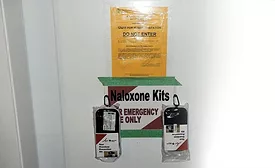
When you hear the word fentanyl, what comes to mind? Perhaps Michael Jackson’s deadly overdose? Or Prince’s overdose death? According to the CDC, the death rate of synthetic (man-made) opioids increased more than 72 percent from 2014 to 2015.
As an owner of a recruiting company for the disaster restoration industry, I get asked that question at least once a week. Unfortunately, the answer is yes, it is.
In the early 2000s, a group of researchers published their findings from a 30,000-person, multi-year study on income and generosity. This is what they found ... drum roll, please: As someone makes more money, they give more money to charitable causes.
In disaster restoration, most negotiations occur between the contractor’s estimator or project manager and the insurance adjuster. The negotiation tends to be adversarial in nature, and generally ends with one of the parties feeling like they were cheated or taken advantage of.
I’ve been asked recently by a few people, quite understandably, why I started a new company: Haven Environmental. The conversations usually go down the same path, ending with a “you’re how old?” or “can you make a living at that?”
Adding a hospital-healthcare disinfectant to your toolbox to address infection control in healthcare facilities creates the opportunity for you to be on call for not just emergencies, but for routine and critical cleaning jobs, creating a revenue stream not dependent upon insurance claims.
As a business consultant, I have noticed over the years there is a lot of misunderstanding around real accountability. Most people think about it one way then have to deal with the consequences of that thinking, and never connect the dots on the fact that their interpretation of accountability is creating the problems they don’t want in the first place.
Fire damage restoration seems pretty straight forward from the outside. Remove and clean the contents, clean and restore the home, remove odors, bring the contents back, and move on to the next job. Yes, that is a very high birds-eye view of the process, but covers the basic steps.