We’ve all heard about volatile organic compounds (VOCs). Restoration and remediation professionals use or encounter them in scores of different products every day. These include cleaning solutions, adhesives, aerosols, paints, fabrics, carpets, and building materials.
As part of my job, every year I review hundreds of income statements and analyze operational costs for the purpose of improving profitability. On three separate occasions in just the past year, I discovered that struggling contractors were not realizing their full profit potential because their gross profit targets were too low.
Selling a home can be a challenge – one that’s magnified dramatically if the structure faces the damaging effects of mold and rot. In an upscale Doylestown, Penn., neighborhood, improper sill flashing and reverse through-flashing on window openings were contributing to severe moisture management issues in a series of stucco homes.
Let me set the scene for you. The home in this case study is nestled atop 35 acres of gentle, rolling hills in mid-Missouri. It was built of native cut lumber, harvested from the property, which had not been sealed.
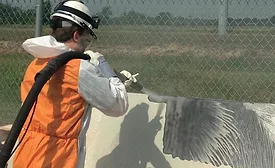
Sodium Bicarbonate (“Baking Soda”) has a long and established history. In 3500 BC, Egyptians used Natron, which was primarily made of Sodium Carbonate.
Have you ever been driven crazy by a young child who keeps asking “Why?” That kid may be onto something. Developed by Sakichi Toyoda and used by automotive companies and other industries to improve safety, quality, productivity and cost, “5 Whys” is a tool used to identify the root cause (origin) of a problem.
 RSS
RSS