Where do you get your business information from? Usually it’s from attending a convention, a newly hired employee from another company, one of your subcontractors or vendors that tells you something about what a competitor of yours is doing.
In today’s society, it is rather rare to encounter someone who is doing something just to be nice. Our first thought is often that there must be another motive behind their actions – do they need a favor, did they do something wrong, are they about to deliver bad news?
If you’ve heard it once, you’ve heard it a million times. Find “creative ways” to stand out from the crowd in your marketing. But with competition being so prevalent in this industry, how does a restoration company really do that?
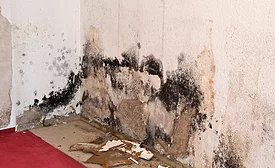
Usually mold testing is done with an inspection plus air and/or tape sampling. In recent years, our industry has seen a new method of mold testing – Environmental Relative Moldiness Index (ERMI) and sometimes it’s cousin HERTSMI-2.
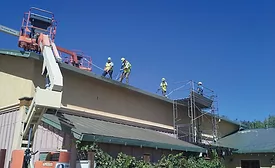
It was July of 2014 – a wildfire had erupted in Amador County, Calif. For days, the fire grew and spread with more than 2,000 firefighters working to get ahead of the flames and contain the blaze.
In Part I of The Power of Focus, I discussed the shift in what drives effective competitive differentiation in today’s economy; how better understanding your customers and their needs, and positioning your company as the best option for addressing those needs, are the keys to success in today’s evolving market.
As I prepare this, we are two-thirds of the way through 2016, so it is probably good time to take a look back at my predictions of future trends and see which were hits, and which were misses.
The U.S. Department of Labor recently updated regulations outlining overtime requirements. The restoration industry is not immune from compliance. Here is what you need to know about the changes.