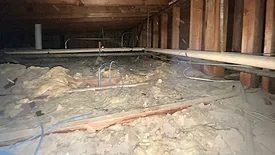
As restorers, are we doing enough to address wildfire smoke contamination? California introduced new legislation that addresses testing, remediation, and insurance claims.
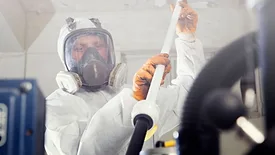
Learn how plaster and lath have evolved into modern drywall and what restorers need to know about silica, gypsum, and other hazards from construction dust.
Learn about OSHA’s ladder safety requirements for restorers, including ladder use, training, inspections, and best practices that help reduce falls and citations.
OSHA requirements require workers to receive training before they are exposed to workplace hazards, not after. Here’s how asbestos, bloodborne pathogens, silica, and hazard communication requirements can affect restorers from the start of the job.
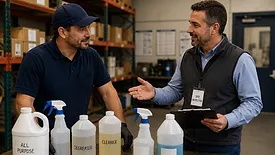
Learn about OSHA hazard communication requirements that include chemical inventories, labeling, employee training, safety date sheet (SDS) management, and compliance for best practices for restorers.
Industry experts explain why reading regulations, understanding ANSI/IICRC Standards, and using evidence-based training are essential for restoration compliance.
The restoration industry lacks an industry-specific labor code, but OSHA’s Top 10 violations offer clear insights into the safety gaps restorers face every day. Here’s what each violation means for your teams and how you can use this data to improve compliance, reduce injuries, and protect your business.