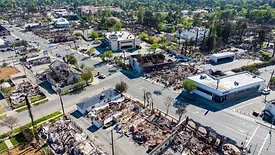
Here’s how embers, wildfire smoke, pressure, and wind can impact and contaminate standing homes including their wall cavities, occupied spaces, and attics.
As restorers, are we doing enough to address wildfire smoke contamination? California introduced new legislation that addresses testing, remediation, and insurance claims.
Fire damage goes far beyond removing soot and repairing visible damage. Learn about commonly overlooked contamination, fire suppression water damage, documentation, safety, and exceptional customer service.
It’s easy to underestimate protein fires because the contamination may not resemble “traditional” soot. Ryan Whitney breaks down how restorers can assess, follow pathways, properly document the loss, and build a more defensible restoration scope.
Here’s how smoke and soot can migrate during a fire and what restorers should include in their initial inspection to identify hidden contamination and create an accurate scope.
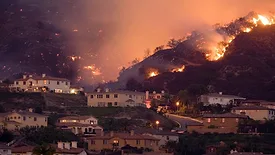
Learn how fire whirls, thermal pressure, contamination zones, and smoke movement impact standing buildings during and after wildfire and WUI fire events.
On this episode of Ask Annissa, she breaks down how restorers can prioritize wildfire losses using testing, safety, contamination levels, available resources, and customer needs.
 RSS
RSS