“We as an industry only know how to check these moisture content levels and have no insight into controlling or evaluating the primary metrics that are determining the length of time it takes to get these materials back to acceptable levels,” Chuck Dewald III writes. “Our industry is drying completely backward!”
In the age of digitalization, why should risk managers, contractors and insurance professionals pay closer attention to document restoration? What type of work sites or clients require document restoration? What is the technical process to restore documents in a way that these items are later safe to use? The why of document restoration can be divided into three categories: Efficiency, legality and sentimentality, Boris Skoro writes.
“Identifying potential future leaders, mentoring their development, and building a bench of talent for the future is paramount. The degree to which the new consolidated organizations succeed will be determined by the quality and cohesiveness of their leadership at all levels,” Norris Gearhart writes.
Insurance agents get many marketers and salespeople through their doors every day, and they are all saying and doing the same thing. Be different. Be authentic. Be a trusted advisor.
Jon Isaacson shares a story that points to the power of breathing fresh life into existing assets. “As we celebrate the dawn of a new year, perhaps this year isn’t as much about chasing what is new –manufacturing, remodeling, or accumulating – but discovering what is already there and putting the pieces together just a bit more concisely. The old new.”
Job planning and scheduling are critical to business success in restoration. Lisa Lavender shares how they impact operations, and ultimately the bottom line, for better or worse. She shares tips on how to elevate your existing planning and scheduling system, or create a new one that boosts efficiency.
When buildings are damaged or destroyed by fire, it is not uncommon to see the surfaces of exposed concrete or masonry exhibit scarring, pitting or cratering. This phenomenon is known as spalling. The costs for extensive testing, and attempts at cleaning or restoration, can be very expensive.
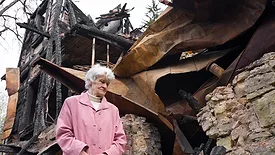
When you think of charred wood, ash left behind after a wildfire or soot, you might think that they are little more than harmless byproducts of incomplete combustion. Images of people sifting through the ash in their street clothes to find valuables, or walking through a burned-out home in shorts and flip-flops, gives the impression that post-fire environments are relatively safe. However, this is far from the truth.
Barry Rice, CSP, considers safety data sheets the user manuals for chemicals. Here, he highlights three of the most valuable parts of an SDS and how OSHA expects U.S. organizations to manage them. He also provides reference information and advice on SDS training.
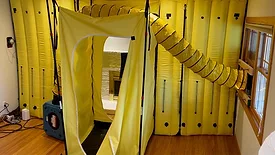
“Hideous piles of plastic in our landfills or incinerators aside, containment is never a bad thing. Just like running a HEPA on every job site is never a bad thing, building containment is also never bad, from a purely scientific perspective. These decisions, however, do not happen in a vacuum,” Keith Gangitano writes.
 RSS
RSS