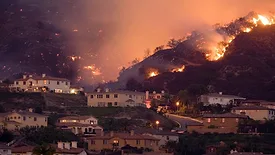
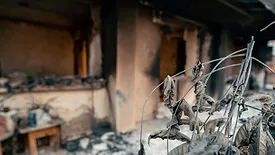
Learn how fire whirls, thermal pressure, contamination zones, and smoke movement impact standing buildings during and after wildfire and WUI fire events.
On this episode of Ask Annissa, she breaks down how restorers can prioritize wildfire losses using testing, safety, contamination levels, available resources, and customer needs.
Key considerations for cleanup and restoration contractors, insurance adjusters, and industrial hygienists for buildings impacted by wildfire and WUI fires
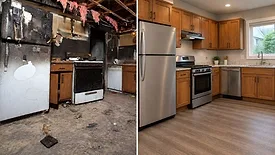
Learn why fire restoration goes far beyond cleaning and how defining objectives, documenting properly, and verification can support restoration outcomes.
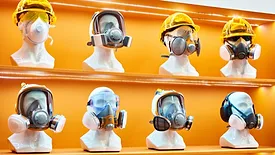
Wildfires and fire losses are evolving and changing CAT response for restorers. October is designed to shed light on training, safety, and education ahead of their next fire job.
Integrity Environmental Group will now operate as Integrity Environmental, Powered by BMS CAT, during an initial transition period, helping ensure continuity for customers, employees and business partners.
 RSS
RSS