When the Weather Hits: How to Prevent Peak Season from Crushing Your Business
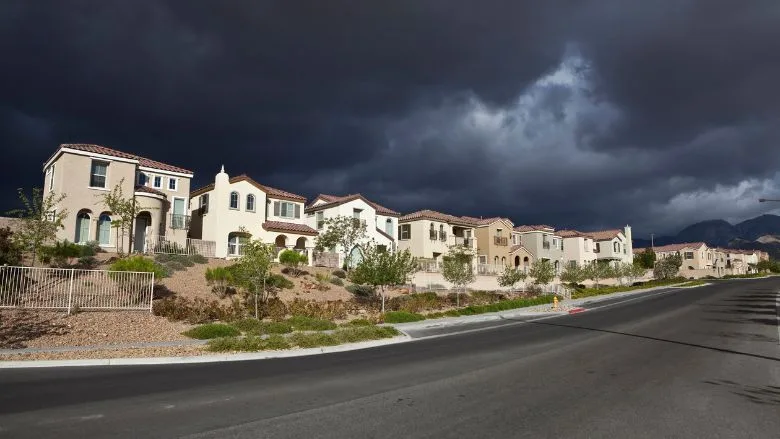
Every restoration company knows the thrills (and, let’s face it, dread) of peak season. Threats from weather (such as floods, hurricanes and wildfires) pick up cyclically during the spring and summer, guaranteeing chaos. But how you handle the madness dictates whether you scale to new heights or watch your reputation collapse under the pressure.
Using Technologies and Systems to Protect Service Quality
There are a number of systems and technologies that prevent quality from dipping when calls rise. Mobile field apps with built-in SOP checklists and real-time photo capture enable every single employee to deliver consistent, documented work on every job, regardless of experience level. A simple automated text confirming your arrival window or a follow-up message after a job is complete do wonders for building trust and loyalty within your community.
Smarter intake systems are also helpful for an overwhelmed team when it comes to making scheduling decisions. When service requests spike, it’s important to determine priority of tasks. Automated intake tools can solve this problem before an employee even picks up the phone. The service reads each new request, applies simple preset rules (i.e., a burst pipe is an emergency, and a clogged drain is a priority), schedules a routine inspection accordingly, and routes the job automatically. This means your team isn’t making judgement calls after hours on a weekend when they’re exhausted.
Restorers must balance both speed and accuracy when dispatching jobs during periods where schedules are consistently overbooked. To do this, use a clear Service Level Agreement (SLA). An SLA is simply a written promise, such as confirming that emergencies get a response within two hours, priority jobs within 24 hours, routine work within three business days. When those timelines are built into your system, every open job has an established response window, and managers get an alert before anything slips through the cracks.
Mass Hiring Without the Mess: Fast-Tracking Field-Ready Techs
Hiring an army of workers to handle the influx is pointless if they aren't ready on day one. Without proper preparation, extra headcount is just a fast track to botched jobs. Restorers should advertise where people actually look, such as local Facebook groups and trade school job boards. It’s extremely important to keep the job post simple: establish clear pay, hours, and a quick-start bonus incentive. Some owners are even moving to same day pay, which has become a competitive advantage in markets where workers have options. It’s important to onboard with intention when you bring new employees on. Start with safety modules and SOP refresher training, then move to real shadowing on actual jobs. Confirm that certifications are verified and PPE is standardized before a new employee steps into a customer’s home.
In addition to being prepared to complete jobs effectively, it’s imperative that new hires uphold brand standards and deliver consistent customer experiences across all locations. This is where the mobile field apps with built-in SOP checklists and real-time photo capture come back into play. With this strategy in place, consistent and documented work becomes the standard for every employee.
Managers can also maintain quality control by providing a one-page checklist for each job, including safety steps, brand-required procedures, and a customer sign-off. This creates accountability without adding complexity. It’s also great for managers to require before-and-after photos on every job. This means managers can verify work remotely without having to ride along.
Looking for quick answers on restoration, remediation and cleaning topics?
Try Ask R&R, our new smart AI search tool.
Ask R&R →
When subcontractors or seasonal employees are assisting during the company’s busiest times, it’s imperative that they’re held at the same bar. Require them to use your checklist, take photos and work within your app. Audit them regularly. Remember that your name is on every job they touch.
Where Rapid Scaling Turns into Rapid Failing
The biggest mistake restoration companies make when trying to scale operations quickly is failing to plan staffing ahead of time. It’s important to know when busy seasons will likely occur and prepare for them in advance. Use historical CRM, dispatch, and weather data to influence these predictions. Another mistake is failing to hold subcontractors and seasonal employees to the same standards by not requiring them to use the same systems as established employees, such as field apps, one-page checklists, and before-and-after photos. Finally, many companies move too fast on onboarding, sending new hires into a customer’s home without ensuring they are fully trained and prepared.
Evolving Before the Next Storm Season
After every surge, run a real debrief with your team. Look at your response times, first-time completion rates, and customer satisfaction scores. Gather feedback from your frontline employees since they experienced what worked and what didn’t first-hand.
Use those insights to refine your staffing models, fine-tune your SOPs, and adjust your supply chain before the next big storm or busy season arrives.
Looking for a reprint of this article?
From high-res PDFs to custom plaques, order your copy today!