After a Hurricane, Dry Does Not Mean Safe
Learn why testing, verification, and strategy are essential to hurricane recovery
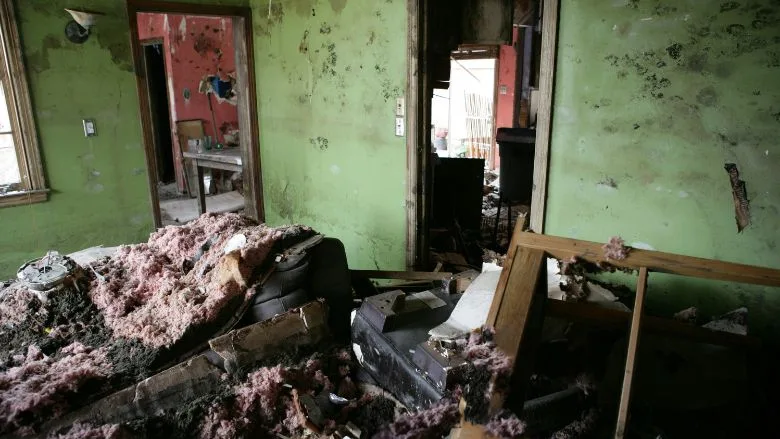
In post-hurricane environments, visible structural damage often becomes the primary focus during the initial emergency response. However, experienced restoration professionals understand that secondary microbial growth frequently becomes one of the most complex and costly aspects of recovery. One of the biggest misconceptions in large-loss drying is the assumption that once materials reach acceptable moisture content levels, the structure is automatically considered safe. In reality, dry materials do not always mean stable indoor environmental conditions.
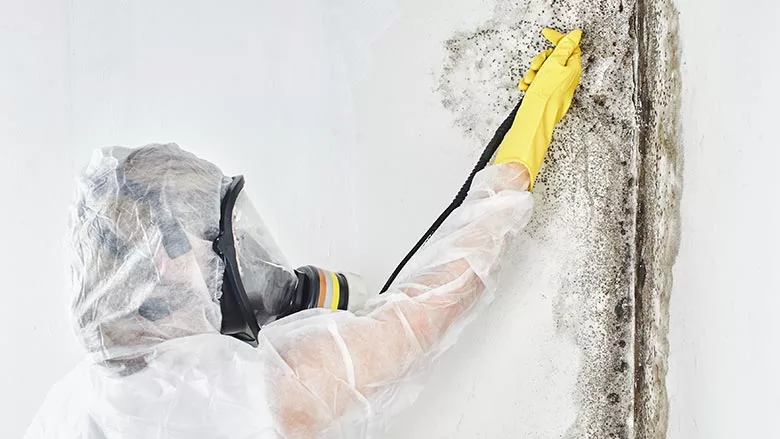
Following hurricanes, water intrusion is rarely isolated to visibly affected areas. Wind-driven rain, storm surge, roof failures, extended humidity exposure, and prolonged power outages create conditions where moisture and contamination migrate well beyond the original point of entry. Under favorable conditions, microbial growth can begin within 24 to 48 hours, particularly in drywall assemblies, insulation cavities, flooring systems, framing, and HVAC components.
This is why testing and verification should occur before, during, and after remediation begins. Moisture readings alone do not always tell the full story of a structure following a catastrophic event. Materials may appear dry while elevated particulate levels, hidden contamination, or microbial amplification remain active inside wall cavities, under flooring systems, or within mechanical systems. Visual inspection alone is insufficient in post-hurricane mitigation environments.
Verification Must Continue Throughout the Restoration Process
Testing should not stop once drying equipment is installed. Conditions can shift rapidly during hurricane recovery, especially in high-humidity environments or occupied structures where HVAC systems remain compromised. The most disciplined restoration teams continue evaluating conditions throughout demolition, active drying, containment adjustments, and reconstruction preparation. Verification at every phase reduces the likelihood of incomplete drying, recurring contamination, and future liability exposure.
“The most important factor after a hurricane is rapid response. Structures need to be dried quickly, unsalvageable materials removed when necessary, and conditions thoroughly documented from the beginning. The sooner mitigation begins, the greater the opportunity to reduce secondary damage, preserve structural materials, and prevent significant microbial growth later in the recovery process.” Scott West, Mitigation Expert
Understanding Insurance Coverage Improves Decision-Making
Another often overlooked responsibility during hurricane mitigation is helping clients understand how insurance coverage may directly impact remediation strategy and stabilization decisions. For restoration professionals handling condo towers, hotels, commercial facilities, and multi-family properties, understanding common coverage limitations can significantly influence operational planning and project outcomes.
Many property owners assume all storm-related losses fall under the same coverage category. In reality, insurance response often depends on the exact cause of loss. This becomes particularly important when evaluating temporary climate stabilization and power restoration strategies following hurricanes.
Looking for quick answers on restoration, remediation and cleaning topics?
Try Ask R&R, our new smart AI search tool.
Ask R&R →
“Restoration professionals should have a thorough understanding of how insurance policies respond to flood, wind, and other storm-related losses before stepping onto a job site. This allows them to better educate clients on coverage considerations, mitigation strategies, and the options available to them throughout the recovery process.” – Charles Kiesel, Mitigation Expert
For example, if a building loses power due to flooding or storm surge, many insurance policies may limit or exclude coverage for temporary generators, desiccant systems, portable cooling equipment, or short-term environmental stabilization efforts. In these situations, it may be financially smarter for ownership groups to prioritize restoring permanent electrical systems and long-term climate control rather than spending heavily on temporary stabilization measures that may not be reimbursed.
Conversely, if the power interruption resulted from covered wind damage or direct storm-related electrical failure, carriers may provide broader consideration for temporary climate stabilization costs. Understanding these distinctions can materially impact drying timelines, equipment strategy, staffing allocation, project budgets, demolition sequencing, and occupant relocation decisions.
Technology Alone Doesn't Solve Moisture Problems
Large-scale hurricane response also exposes weaknesses in production planning and drying execution. Equipment alone does not solve a moisture problem without accurate diagnostics, airflow management, and disciplined monitoring. Over-reliance on generalized equipment formulas without adjusting for building conditions, hidden saturation, outdoor humidity loads, or HVAC functionality often leads to inefficient drying chambers, inflated budgets, or incomplete remediation results.
Successful hurricane mitigation depends on continuous field testing, disciplined documentation, strategic communication, and operational adaptability. In large-loss restoration, drying is not the finish line. Restoration professionals who prioritize verification, technical diagnostics, and informed client guidance understand a critical reality of catastrophe work: dry does not always mean safe.
Sources:
https://www.restorationindustry.org/
https://www.epa.gov/mold/mold-cleanup-your-home
https://www.cdc.gov/mold-health/about/
https://www.fema.gov/fact-sheet/mold-problems-and-solutions
https://www.iii.org/article/background-on-hurricane-and-windstorm-deductibles
Looking for a reprint of this article?
From high-res PDFs to custom plaques, order your copy today!