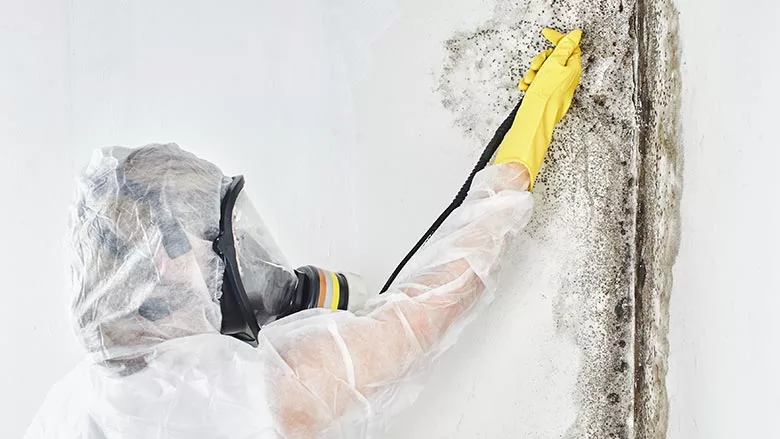
Building More Than Buildings: How Women are Shaping Restoration's Future
Why mentorship, culture, and leadership are becoming restoration’s greatest competitive advantage
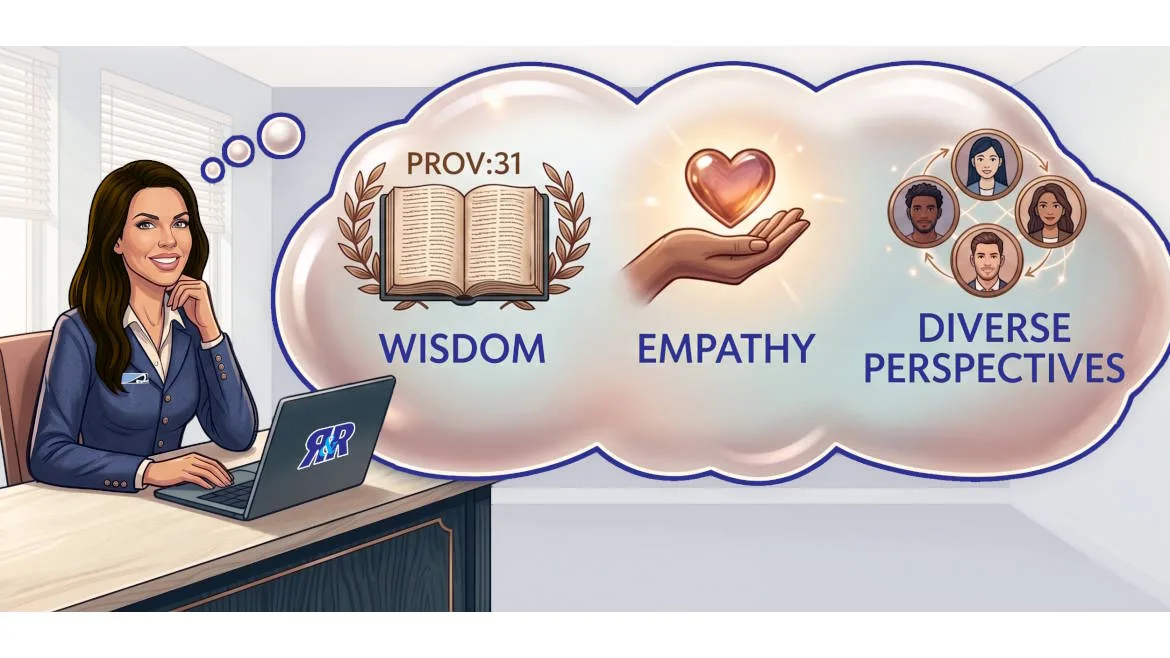
When I was invited to write for this special issue of R&R Magazine, I immediately thought about the women who have shaped my career. Some were mentors who challenged me to grow. Others were teammates who quietly modeled excellence through their consistency, humility, and unwavering commitment to serving others. A few may never realize the impact they had on me simply because they chose to show up and lead well every single day.
Their influence reminds me of a passage that has always resonated with me:
"She opens her mouth with wisdom, and faithful instruction is on her tongue." — Proverbs 31:26
I've always appreciated that this verse doesn't celebrate titles, recognition, or influence measured by position. It celebrates wisdom, character, and the ability to positively shape the people around you. Those qualities have defined many of the remarkable women I've had the privilege to work alongside, and they're qualities our industry needs now more than ever.
Leadership is Evolving
The restoration industry has changed dramatically over the past few decades.
There was a time when success was primarily measured by response times, technical expertise, and the ability to work tirelessly when disaster struck. Those things are absolutely still essential, but anyone who has spent time in restoration knows our profession has become far more sophisticated.
Today's restoration professional may begin the morning reviewing business intelligence dashboards, spend the afternoon leading a difficult conversation with a property owner, collaborate with an insurance partner, leverage artificial intelligence to streamline documentation, coach a developing leader, and still find themselves walking a job site before the day is over.
We haven't replaced technical excellence; we've expanded our definition of it.
Looking for quick answers on restoration, remediation and cleaning topics?
Try Ask R&R, our new smart AI search tool.
Ask R&R →
That's one of the reasons women continue to have such a meaningful impact on our industry. Not because they all lead the same way, but because they bring different experiences, perspectives, and strengths to a profession that has become increasingly complex.
One of the greatest misconceptions about diversity is that it's simply about representation. In reality, its greatest value is perspective. Every leader sees challenges through the experiences that have shaped them. When teams include people who ask different questions, notice different details, and approach problems from different angles, better decisions tend to follow.
I've watched women identify operational improvements that others overlooked. I've seen them navigate difficult conversations with wisdom and empathy while maintaining accountability. I've seen them build technology solutions, lead emergency response teams, oversee financial operations, mentor future leaders, and guide organizations through seasons of tremendous growth.
None of those contributions happened because expectations changed. They happened because talented people were empowered to lead.
Culture is the Competitive Advantage
As I've reflected on the women who have influenced me, one common thread stands above all the others: culture. The best leaders I've known don't simply manage projects; they build environments where people thrive.
They create cultures where team members feel seen, where accountability is paired with encouragement, where healthy conflict produces better ideas, and where excellence is expected because everyone understands the mission.
Culture isn't created by mission statements hanging on a wall.
- It's created by the conversations we have when no one else is listening.
- It's created by the way we mentor the newest member of the team.
- It's created by the grace we extend after mistakes and the standards we refuse to compromise.
- It's created by leaders who consistently choose people over anything else.
That's something I've seen demonstrated by countless women throughout my career.
One of the things I admire most about the woman described in Proverbs 31 is that her influence extended far beyond herself. Her wisdom strengthened her household. Her diligence blessed those who depended on her. Her leadership created stability for future generations. In many ways, that's the picture of great leadership. It isn't measured by how much attention we receive, but by how many people are stronger because we invested in them.
Restoring More than Property
The same is true in restoration.
We often say we're in the business of restoring property, but that's only part of the story. Every project begins with someone experiencing disruption, uncertainty, and loss. Behind every Work Authorization Agreement is a property owner looking for confidence. Behind every estimate is a family or business trying to regain a sense of normalcy.
They will certainly remember the quality of our work. But they'll also remember whether we listened, whether we communicated, whether we cared, and whether we earned their trust.
Those moments have nothing to do with equipment or software. They have everything to do with people.
As artificial intelligence, automation, and data continue transforming our industry, I believe our greatest competitive advantage will not be technology alone. It will be culture. Technology can help us move faster, but culture determines how we treat people while we're moving. Software can automate repetitive tasks, but it cannot mentor a struggling team member. Artificial intelligence can summarize information, but it cannot build trust. Only people can do that.
The Legacy We Leave Behind
As we celebrate this year's Women in Restoration honorees, I hope we celebrate more than individual accomplishments. I hope we celebrate the example they set and the cultures they help create. Their leadership reminds us that excellence is not defined by gender or job title. It is defined by wisdom, humility, courage, stewardship, and a genuine desire to leave people better than we found them.
Perhaps that's why Proverbs 31 has endured for generations. It doesn't describe perfection. It describes faithful leadership. It paints the picture of someone who uses their gifts to serve others, strengthens those around them, and leaves a lasting legacy through character more than recognition.
Those are the kinds of leaders who have shaped my career. Those are the kinds of cultures our industry should continue building. And those are the kinds of people who will ensure that restoration remains, at its heart, a profession dedicated to restoring more than just buildings.
We restore confidence. We restore hope. And we restore lives.
Looking for a reprint of this article?
From high-res PDFs to custom plaques, order your copy today!