Second-Generation Leadership in Restoration Requires More than Inheriting the Business
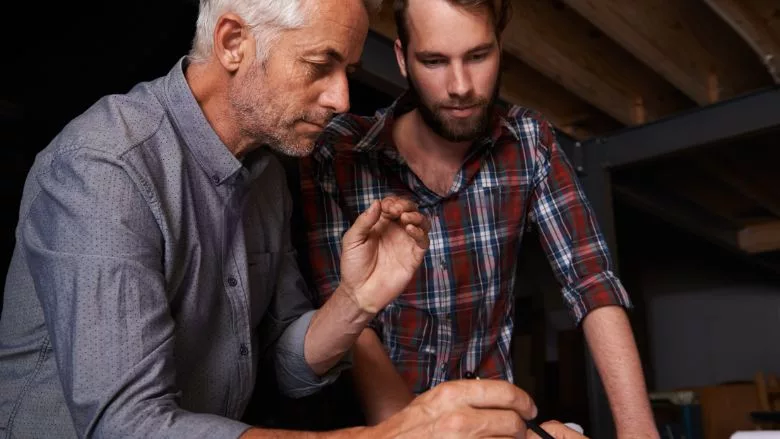
The home services industry is entering a major leadership transition, and the conversation is often centered on owners. Exit planning, valuation, and timing tend to dominate the discussion. What’s getting missed is the harder side of the transition: someone has to step into that business and actually lead it.
Over the next several years, more second-generation leaders will take over restoration companies than at any other time in the industry’s history. This shift is not theoretical. Roughly 65% of restoration business owners are Baby Boomers, and the majority of their wealth is tied up in their companies. Many of those businesses will change hands in the next decade, whether they are ready to or not.
Some second-generation leaders are ready. But many are not as prepared as they think, not because they lack ability, but because they underestimate what the role really requires.
Leading something you didn’t build is different. It looks straightforward from the outside, but the complexity shows up quickly.
Stepping Into a Business With History
Most second-generation leaders don’t start from zero. They step into a business that already works. In my case, the company was small. It was my dad and a few helpers doing concrete construction like footings, walls, and flatwork. Modest revenue, no real systems, no technology beyond a cell phone, and equipment that had seen better days. What it did have was a strong reputation and a handful of builders who trusted my dad completely.
That’s the tradeoff. Second-generation leaders inherit a foundation, but it was built around someone else. The relationships are theirs. The way the business runs is theirs. The credibility sits with them, so the new leaders don’t get to rely on history. They have to build their own standing inside the business while trying to move it forward.
Authority Is Rarely Clear at the Start
One of the biggest friction points for second-generation leaders is authority. There is often the assumption that they’re stepping into leadership, but very little clarity around what that actually means. The founder is still involved and decisions may still run through them. That creates hesitation and confusion.
Looking for quick answers on restoration, remediation and cleaning topics?
Try Ask R&R, our new smart AI search tool.
Ask R&R →
Early on, I found a product we could add to our basement packages that would allow us to offer a dry basement floor warranty backed by the manufacturer. It made our basement construction offering stronger and more competitive. My dad pushed back hard. His concern was about the risk of the warranty, even though we were not the ones holding it.
The issue wasn’t really the product. It was a difference in understanding and control. I was trying to move the business forward, and he was trying to protect it based on how he had always operated.
That dynamic shows up in almost every second-generation transition. If authority is not clearly defined, leaders often end up trying to lead while still needing approval—which slows down everything and creates frustration on both sides.
You Don’t Know What You Don’t Know
One of the most humbling parts of stepping into an established business is realizing how much knowledge sits in the founder’s head that’s not written down. It shows up in small decisions, habits, and years of experience.
I learned that the hard way. We had a 1950s crane truck that had been customized over time. When it needed fluid, we treated it like a standard piece of equipment and used hydraulic oil. What we didn’t know was that this particular setup required standard motor oil. It was an expensive mistake. That moment changed how I approached learning the business.
There are lessons the founder has learned through trial and error that never gets passed down unless you ask. That is one of the biggest risks in transition. Without a deliberate effort to transfer knowledge, companies can make mistakes or even lose the very things that made them successful in the first place.
Second-generation leaders need to be intentional about capturing those lessons early. It saves time, money, and a lot of unnecessary frustration.
Not Every Relationship Transfers
Another assumption that gets exposed quickly is this: existing relationships will carry over. Some do, but many don’t.
We worked with several modular home companies that had long-standing relationships with my dad. On paper, it made sense to continue those partnerships. In reality, it didn’t go well. They were difficult to work with, pushed timelines, and expected a level of tolerance that my dad handled differently than I did. He had the experience and presence to push back. I didn’t, at least not in the same way at that stage. Those relationships started costing time, money, and energy.
That was an important realization. Just because a relationship worked under the founder doesn’t mean it will work under new leadership. Some relationships need to be redefined, and others need to be replaced.
Structure Is the Advantage of the Next Generation
Where second-generation leaders have an advantage is perspective. They’re more likely to see the gaps in structure. They notice where the business depends too heavily on one person. They recognize the lack of systems, visibility, and consistency. That matters more than most owners realize.
Most family businesses don’t have a formal succession plan, which means they’re not building the structure needed to support a transition.
The opportunity is not to overhaul everything at once. It is to introduce structure in a way that strengthens what already works.
For us, that showed up in how we approached basement packages for modular homes. The market was good, but the way we worked in it wasn’t sustainable. We shifted to working with higher-quality dealers and built a more structured process around the service.
We helped them sell the basement package, provided clear communication throughout the project, and aligned our work with the home delivery schedule so the house didn’t sit on site longer than necessary. We created a better experience for both the modular dealer and the homeowner. That shift changed the quality of our work and the quality of our clients.
That is where second-generation leaders can create real impact. Not by changing everything, but by tightening how the business operates.
What It Will Take to Succeed
Stepping into a second-generation leadership role requires more than just understanding the business. It requires a shift in how leadership is approached.
First, clarity is critical. If roles and authority are not clearly defined, second-generation leaders need to work with the owner to define them. Without that, they will constantly run into friction.
Second, they need to build trust with the team. That comes from consistency. Following through on decisions, communicating clearly, and handling problems without overreacting builds credibility over time.
Third, they need to reduce dependency on any one person. That means building systems, documenting processes, and developing other leaders within the organization. The business must be able to operate beyond a single individual.
Fourth, they need to stay connected to the relationships that drive the business. Systems matter, but in restoration, relationships still carry significant weight. They need to be present in those relationships and take ownership of them.
Finally, they need to give themselves time to grow into the role. They are not expected to have it all figured out on day one. What matters is how they learn, adjust, and improve over time.
A Note for Founders
For owners, supporting the next generation takes more than stepping back. It requires creating clarity, allowing space for the next leader to operate, and shifting from being the primary decision maker to being a resource. It also requires sharing knowledge that has never been written down.
The more intentional this process is, the more successful the transition will be. The reality is this: only about 30% of family-owned businesses successfully transition to the second generation, and that number drops significantly beyond that.
The Next Chapter Is Already Underway
The restoration industry is entering a period where second-generation leaders will shape what comes next. These leaders are stepping into businesses with strong foundations but also real gaps. Their ability to bring structure, clarity, and consistency while maintaining relationships will determine how the businesses evolve.
This transition isn’t coming. It’s already happening. The question is not whether the next generation will lead, but how prepared they will be when they do.
Looking for a reprint of this article?
From high-res PDFs to custom plaques, order your copy today!