Technical Tip Tuesday Presented by Signal Restoration
Navigating the Gray Areas of Respiratory Protection After Fire Losses
Why experience, documentation, and judgement matter when guidance falls short
Welcome back to another Technical Tip Tuesday. In this week’s episode, we’re joined by Barry Rice, CSP, of Signal Restoration, and he breaks down how restorers can responsibly navigate the gray area when it comes to respiratory protection.
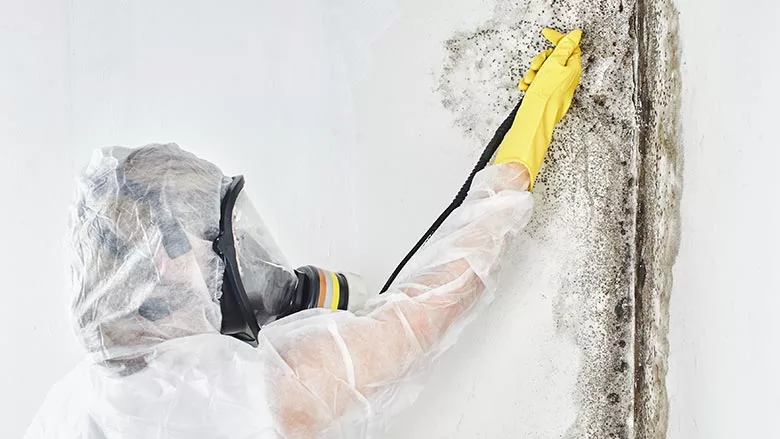
We know OSHA provides general respiratory protection requirements, but when it comes to post‑fire environments involving soot, char, and off‑gassing, clear, restoration‑specific guidance simply doesn’t exist. That puts contractors in a gray area. One where experience, documentation, and informed decision‑making matter more than rigid charts or one‑size‑fits‑all rules.
Barry explains that unlike controlled manufacturing environments, fire losses involve constantly changing exposures, by the hour, by the task, and by the materials burned, making precise measurement and fixed cartridge change‑out schedules nearly impossible.
Key articles mentioned in this safety tip include:
- Awareness and Effort: Respirator Use in the Restoration Industry, Part 1
- Awareness and Efford: Respirator Use in the Restoration Industry, Part 2
- Why Fire Smoke Residue May Be as Dangerous as Thirdhand Smoke
- Soot, Char and Ash: It’s More Toxic Than You Think
- Wildfire Ash Composition, Health Effects and Cleanup
Join us next week as we continue the conversation with a critical follow‑up topic: respirator fit testing, not annually, but as an ongoing part of your safety culture.
We’ll see you on next week’s Technical Tip Tuesday.
More Tips in This Series
- The Most Overlooked PPE in Restoration Jobs
- Containment Basics to Prevent Cross-Contamination on Restoration Job Sites
- Navigating the Gray Areas of Respiratory Protection After Fire Losses
- Why Respirator Fit Testing Is Essential for Restoration Safety
- Managing Multiple Job Site Hazards with Job Hazard Analysis
Looking for quick answers on restoration, remediation and cleaning topics?
Try Ask R&R, our new smart AI search tool.
Ask R&R →
Looking for a reprint of this article?
From high-res PDFs to custom plaques, order your copy today!