Why Fire Smoke Residue May Be as Dangerous as Thirdhand Tobacco Smoke
New research draws alarming parallels between tobacco smoke and toxic residues from structure fires
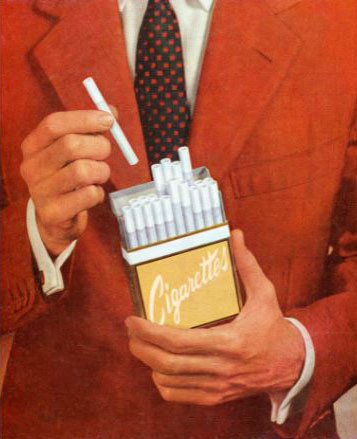
Over the last 70 years, billions of dollars in research has been spent to study the composition of tobacco smoke, its toxic by-products and its adverse effects on human health. Contrary to what experts believed in the early to mid-20th century, it is now known that the consumption and exposure to tobacco smoke residues have contributed to millions of deaths worldwide. Conversely, even though countless firefighters, fire investigators and others have lost their lives to incurable diseases and cancers from exposure to toxic combustion by-products in structure fires, very little attention has been given to this type of smoke exposure.
Even today, there are those in the fire restoration industry who make unsubstantiated claims that there are minimal health risks involved with exposure to combustion by-products, and that testing or involving independent environmental professionals is unnecessary, regardless of what materials may have burned in the fire or the toxic chemicals that may have been released.
Credit: CSA-Printstock / Digital Vision Vectors
The majority of scientific, medical and occupational health and safety communities agree that smoke from the burning of modern-day materials (foams, plastic, PVC, synthetic fibers, treated lumber, household products, etc.) are extremely toxic. However, few in the restoration industry seem to think that this type of smoke is any more concerning than tobacco smoke or a campfire.
However, when looking closely at the tobacco smoke research data, there appears to be a direct correlation between the research findings on tobacco smoke residues, known as thirdhand smoke and smoke residue from structure fires. I think those of us in the restoration industry need to examine this and consider how we approach our fire restoration methodology.
Tobacco Smoke Categories
Researchers have broken down tobacco smoke into three categories: firsthand smoke, secondhand smoke and thirdhand smoke. Firsthand smoke can be simply defined as what is consumed when someone is actively smoking tobacco in the form of a cigar or cigarette.
Secondhand smoke (SHS) is categorized as the less concentrated but equally potent smoke one would be exposed to from someone smoking close by. For the purposes of this discussion, firsthand and secondhand smoke are considered to be similar to someone breathing smoke inside a building shortly after a fire has been extinguished or from materials still smoldering.
Thirdhand smoke (THS) consists of residual tobacco smoke pollutants that:
Looking for quick answers on restoration, remediation and cleaning topics?
Try Ask R&R, our new smart AI search tool.
Ask R&R →
- Remain on surfaces and in dust after tobacco has been smoked
- Are re-emitted back into the gas phase or
- React with oxidants and other compounds in the environment to yield secondary pollutants.
Thirdhand tobacco smoke or “tobacco residue”, is also the chemical residue left behind on clothes, skin, furniture, walls and other surfaces long after someone has smoked in the room or vicinity.
The thirdhand smoke criteria are identical to most post-structure fire environments where smoke residues, odors and staining are often present long after a fire has been extinguished and where residues have impacted building materials and contents.
Credit: EyeEm Mobile GmbH / iStock / Getty Images Plus
Thirdhand Smoke Toxicity
Tobacco smoke researchers believe that lingering chemicals from THS are just as harmful as smoking and exposure to secondhand smoke.
Results of a study published in 2010 by the United Kingdom environmental mutagen society titled “Thirdhand Smoke Causes DNA Damage in Human Cells” found that when nicotine reacts with nitrous acid in the air, it forms carcinogens, which are compounds that can cause cancer and may cause damage and breaks in human DNA, increasing the risk of disease.
In 2011, the National Library of Medicine published an article titled “Does the Smoke Ever Really Clear? Thirdhand Smoke Exposure Raises New Concerns.”
In this article, it was reported that “ozone, another indoor air pollutant, reacted with some 50 compounds in SHS to produce ultrafine particles smaller than 100 nm, the compositions of which are yet to be determined. The effects of ultrafine particles are thought to vary depending on their composition and characteristics, but their tiny size likely facilitates their uptake and distribution throughout the body to potentially sensitive target sites including the bone marrow, lymph nodes, spleen, heart, and central nervous system.
Credit: Kittisak Kaewchalun / iStock / Getty Images Plus
Sleiman et al. also speculated these ultrafine particles may be capable of depositing on surfaces and later resuspending into the air. In the same year, another research team provided the first preliminary quantitative data showing these particles did just that, although reaching airborne concentrations 100 times lower than levels in secondhand smoke.”
By the latter part of 2010, researchers coined a phrase in reference to THS called ‘the four Rs’: “tobacco chemicals (some toxic) remain, react (with oxidants and other compounds in the environment to yield secondary pollutants), re-emit back into the gas phase, and/or are re-suspended long after active smoking ends. Another notable feature of THS is its potential for chemical ageing, wherein the residues adsorbed on the surface interact with atmospheric components leading to chemical transformations producing secondary toxic residues. The major factor influencing these aging processes and chemical reactions is the transport of pollutants between various indoor media. Tobacco smoke pollutants undergo simultaneous physicochemical transformations in a time span that varies from seconds to months, soon after their preliminary discharge during the smoking process.”
Again, these characteristics of tobacco smoke are largely identical to the smoke odors and residues released in structure fires. These findings raise new concerns about the efficacy of current fire restoration and smoke odor remediation methods. Further discussion is warranted on the necessity of pre-remediation assessment (PRA) and post remediation verification (PRV) conducted by independent environmental professionals (IEP’s) as a standard of care.
Credit: imbeatstudio / iStock / Getty Images Plus
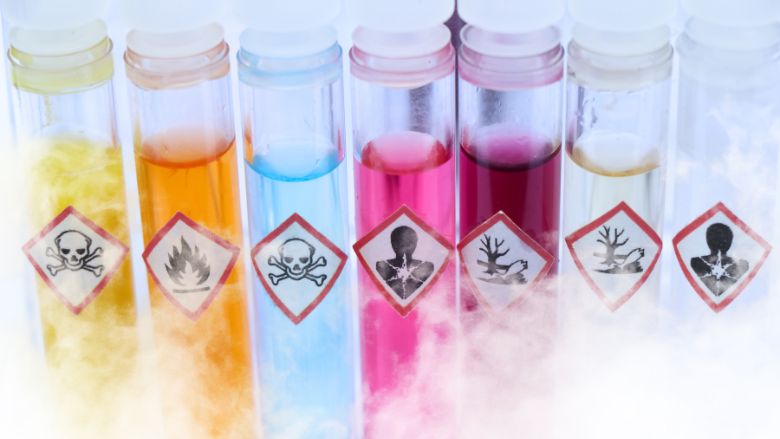
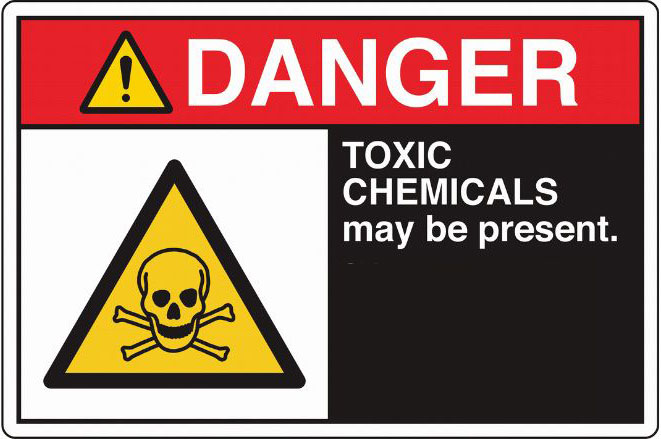
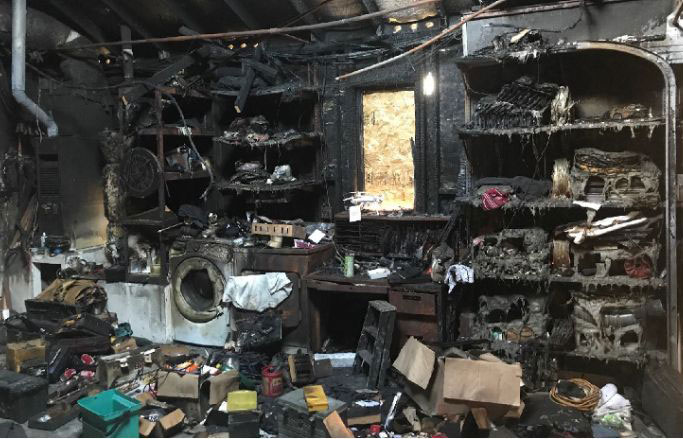
Consider for a moment the thousands of chemicals being created and mixing with one another during the burning of a building, vehicles or household contents. The sheer volume of burning materials in a typical house fire would be the equivalent of hundreds of thousands of cigarettes burning. In addition, when environmental consultants test for lead after a fire, they typically use XRF guns only to test painted surfaces, ceramic tiles or old porcelain. Rarely will they test for any lead content in residues or soot or in buildings built after 1978. But what happens if lead products vaporize in the fire such as fishing or diving weights, ammunition or car batteries? Wouldn’t it be logical and prudent to take extra precautions when working in or around environments like this where some of the most toxic chemicals on the planet may be present? Shouldn’t we as fire restoration professionals take additional measures to verify that our restoration processes will effectively remove toxic chemicals, VOCs, heavy metals and other hazardous substances?
Credit: Sean Scott
The Composition of Thirdhand Smoke vs. Structure Fire Smoke
According to the National Library of Medicine, “THS comprises an active mixture of volatile, semi-volatile and non-volatile chemicals which exhibits aging chemically. Cigarette smoke is an established source of carcinogens, especially polycyclic aromatic hydrocarbons (PAHs). Incomplete pyrolysis of organic materials results in the production of PAHs. Around two-thirds of the PAHs in cigarette smoke are deposited onto surfaces in the environment. THS includes highly mutagenic and carcinogenic tobacco-specific nitrosamines (TSNAs) like nicotine-derived nitrosamine ketone (NNK), lethal metals, alkaloids like nicotine, general combustion products of organic materials (e.g. polycyclic aromatic hydrocarbons) and other unstable organic compounds (e.g. acrolein and other aldehydes). On chemical ageing, thirdhand smoke composition gets transformed with time and the compounds become more toxic.
Other than nicotine and tobacco specific nitrosamines, THS constituents identified include 3-ethenylpyridine (3- EP), phenol, cresols, formaldehyde, and naphthalene. The other constituents include hydrogen cyanide, toluene, butane, lethal metals like lead and arsenic, carbon monoxide gas, and traces of polonium-210 an extremely radioactive carcinogen.”
What’s interesting about the list of chemicals found in cigarette smoke is that most of them are commonly found in structure fire smoke as well. The only difference is that structure fires involve a much wider spectrum of materials other than tobacco, paper and chemicals used in cigarette manufacturing. Residential, commercial and industrial fires often involve the burning of foams, plastics, PVC, fiberglass, synthetic carpet and a wide range of other products that when burned create a toxic soup of extremely toxic chemicals. Some of these chemicals such as dioxins, furans or polyfluoroalkyl substances (PFAS) are carcinogenic and bioaccumulate in human tissue with each exposure.
Increased Risk of Cancer
The toxic constituents of THS pose an increased risk of carcinogenesis. Chronic exposure of THS has been reported to cause DNA strand breaks and oxidative damage, leading to genetic damage and carcinogenic mutations. Oxidative stress to cells or organisms induced by the THS constituents is yet another suggested cause of disease-causing mutations and increased cancer risk.

Credit: KatarzynaBialasiewicz / iStock / Getty Images Plus
Children and toddlers are particularly vulnerable to THS due to their low body mass and frequent contact with indoor surfaces during crawling and mouthing. A toddler putting a small piece of fabric in their mouth that is exposed to THS can be exposed to 2.2 μg of nitrosamines/day, a concentration approximately 16-fold greater than the inhalation exposure of an adult passive smoker (0.14 μg/day). In addition, young children have a high respiratory rate relative to their body weight, which increases the amount of THS they can inhale when compared to adults. (Source: Adhesion and Removal of Thirdhand Smoke from Indoor Fabrics: A Method for Rapid Assessment and Identification of Chemical Repositories.)
IICRC S520 Section 12.2.12 - Post-Remediation Verification
According to the IICRC S520 second edition, the following guidelines are stated (keep in mind, this standard was developed primarily for mold and fungal remediation, which generally pose less significant health risks than the toxic and carcinogenic compounds found in smoke residues): “Following post-remediation evaluation by the remediator, it may be requested or required to verify the return of a structure, systems or contents to Condition 1. In such situations, post-remediation verification should be performed by an independent IEP. It is recommended that:
- The criteria and process used in the post-remediation verification be documented, and
- The remediator and IEP clarify the minimum performance requirements of post-remediation verification prior to commencement of work.
A remediation company can conduct its own post-remediation verification for the purpose of quality control; however, the most valid and legally acceptable post-remediation verification, which eliminates questions about the potential for a remediator to skew the results, would be to have it performed by an independent indoor environmental professional (IEP) who is hired by the property owner.”
Furthermore, the S520 defines an indoor environmental professional (IEP) as “an individual who is qualified by knowledge, skill, education, training, certification or experience to perform an “assessment” of the fungal ecology of structures, systems, and contents at the job site, create a sampling strategy, sample the indoor environment, submit to an appropriate laboratory or individual, interpret laboratory data, determine Condition 1, 2 and 3, and verify the return of the fungal ecology to Condition 1.
Using the IICRC S520 as guidance, a qualified remediator can use the preliminary determination to develop a scope of work (work plans, protocols or specifications) for a mold remediation project. However, when a pre-remediation assessment or post-remediation verification is requested or required, it should be performed by an IEP. The assessment information can assist the remediator in developing additional technical specifications, detailed protocols and post-remediation verification parameters.”
Benefits of a PRA and a PRV
The benefits of a pre-remediation assessment (PRA) and a post-remediation verification far outweigh the negligible costs and potential liability of relying on an olfactory or visual assessment performed by someone who may not be qualified. Here are some benefits to a PRA:
- It will provide an unbiased, science-based evaluation. The IEP provides an objective analysis without financial ties to a contractor, property owner or insurance company. This ensures the scope of work is based on actual contamination levels—not profit or other motives—and aligns with industry standards for health and safety. It is also a crucial component in a job hazard analysis and risk assessment that restorers are required to conduct.
- It can identify a wide range of hidden contaminants. Smoke damage isn’t just visible soot—it includes toxic residues, volatile organic compounds (VOCs) and carcinogenic particulates. IEP’s use specialized tools and equipment to detect contamination that may be invisible or odorless.
- It can provide a health risk assessment. Similar to mold, asbestos or illicit drug residue remediation, smoke contamination can pose serious health risks—especially to children, the elderly and immunocompromised individuals. An IEP can recommend protective measures tailored to occupant vulnerability.
- It can provide a liability safety net. By following a plan created by an IEP, the restorer demonstrates due diligence and adherence to industry standards and governmental regulations. This can be critical in defending against claims of negligence, improper deodorization or health-related lawsuits. This also protects the restorer from being held liable for errors in contamination assessment or health risk evaluation.
- It can provide crucial documentation for insurance and liability. A formal environmental report provides documentation for insurance claims, legal disputes or property transactions where a fire loss needs to be disclosed to future property buyers. It also validates the need for remediation.
A post-remediation verification can:
- Protect occupant health (children, elderly and immunocompromised people)
- Document remediation effectiveness.
- Reduce liability and ensure compliance with broader health standards. Landlords and property managers may be held liable if tenants are exposed to residual smoke related toxins.
- Provide documentation of due diligence.
- Ensure safety and transparency.
- Give the client peace of mind.
Seeing as the health risk of exposure to toxic combustion by-products far exceeds the health risks of exposure to mold and fungal growth, shouldn’t we at a minimum consider using the guidelines set forth in the IICRC’s S520?
While some restoration practitioners reject the idea of a PRA and PRV, given what we now know, it would be irresponsible and negligent to leave these crucial steps out of the fire restoration and smoke remediation protocol.
Conclusion
Credit: Andre Salcedo / iStock / Getty Images Plus
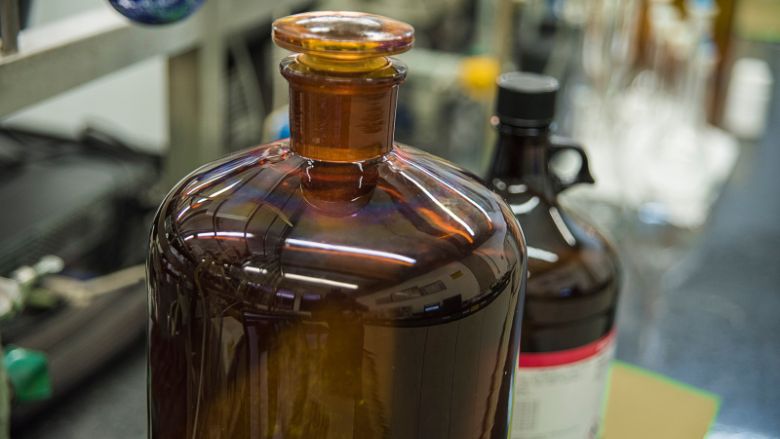
It is virtually impossible to identify every toxic chemical present in a post-structure fire environment. Neither is it possible to completely sanitize or remove every trace of toxic chemicals or smoke particles from a fire damaged building. However, an IEP can identify types and concentrations of a wide range of toxic chemicals, gases and heavy metals. They can also create a remediation plan to address contaminants and conduct a PRV before the structure is covered with drywall or enclosed.
Consider this, when fire damage to a building is severe, the restorer often has no way to tell what burned in the fire. How will you know whether lead batteries or fishing weights vaporized in the fire spreading vaporized lead oxide throughout the building and contents. Or whether old containers of pesticides such as DDT, acids or other household chemicals burst, mixed and spread their contents. The list of potentially hazardous or even lethal releases of hazardous materials and chemicals (some classified as “forever chemicals”) is almost limitless. This is why a fire restoration professional should never assume smoke residues or odors are safe or that all smoke residues can be treated alike.
Unless fire damaged or smoke affected materials are removed and replaced, the best any restorer can hope for is to try to clean, deodorize or camouflage damaged materials to the point where damage cannot be seen and smoke odors cannot be detected by the sense of smell. But what about toxic contaminants that are odorless? Who decides if simple cleaning is sufficient and the building is safe to reoccupy or whether permissible exposure limits are being exceeded, especially when children could be exposed? Who will ultimately be responsible if the smoke odor returns after the masking agents dissipate or if the encapsulants fail? Do we leave it up to the restorer’s sense of smell or should we do what is right by providing scientific proof to our clients that our work has been done safely and effectively?
Sources:
Study Shows Some Household Materials Burned in Wildfires Can be More Toxic Than Others: https://www.epa.gov/sciencematters/study-shows-some-household-materials-burned-wildfires-can-be-more-toxic-others
Thirdhand smoke composition and consequences: A narrative review: http://www.publichealthtoxicology.com/Thirdhand-smoke-composition-and-consequences-A-narrative-review,151102,0,2.html
The Dangers of Thirdhand Smoke — Especially to Children and Those Who Don’t Smoke: https://health.clevelandclinic.org/thirdhand-smoke/
Chemistry and Toxicology of Cigarette Smoke and Biomarkers of Exposure and Harm: https://www.ncbi.nlm.nih.gov/books/NBK53014/
What do we know about the health risks of thirdhand smoke? https://thirdhandsmoke.org/what-do-we-know-about-the-health-risks-of-thirdhand-smoke-2/
Looking for a reprint of this article?
From high-res PDFs to custom plaques, order your copy today!