Technical Tip Tuesday Presented by Signal Restoration
Why Respirator Fit Testing Is Essential for Restoration Safety
Fit testing is a requirement, here’s why standardizing the process protects you and your team
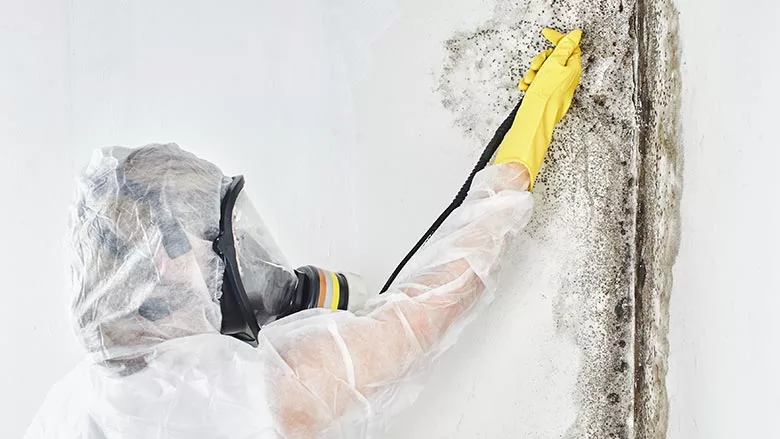
This week’s technical tip brought to you by Signal Restoration highlights the importance of respiratory fit testing. When it’s required, why it matters, and the consequences of skipping it. Barry Rice, CSP, shares why it’s one of the most crucial, and most cited, areas in OSHA inspections which is why repetition, consistency, and simplicity are key.
Barry stresses the importance of annual respirator fit testing not only is it an OSHA requirement, but it also often uncovers health issues people are not generally aware of. There are three key components in the annual fit test:
- Medical Evaluation: Confirms the employee’s physical aspects of wearing a respirator
- Fit Testing: Verifies a proper seal and helps prevent leaks
- Training: Ensures your team understands the correct use, limitations, and care
To avoid missed deadlines and constant tracking headaches, Barry emphasizes the importance of standardizing fit testing across your company. At Signal Restoration, respirator compliance is handled the same way every year: medical evaluations are completed in February, followed by fit testing and training for the entire team in late February or March. Leadership attends and training is conducted at the same time, keeping everything streamlined, documented, and stress‑free.
Join us next week as we continue this safety series and keep building toward a stronger, more proactive safety culture across the restoration industry. We’ll see you on the next Technical Tip Tuesday.
More Tips in This Series
- The Most Overlooked PPE in Restoration Jobs
- Containment Basics to Prevent Cross-Contamination on Restoration Job Sites
- Navigating the Gray Areas of Respiratory Protection After Fire Losses
- Why Respirator Fit Testing Is Essential for Restoration Safety
- Managing Multiple Job Site Hazards with Job Hazard Analysis
Looking for quick answers on restoration, remediation and cleaning topics?
Try Ask R&R, our new smart AI search tool.
Ask R&R →
Looking for a reprint of this article?
From high-res PDFs to custom plaques, order your copy today!