Technical Tip Tuesday Presented by Signal Restoration
Managing Multiple Job Site Hazards with Job Hazard Analysis
Learn why preparation, not complexity, is the key to safety on restoration job sites
Welcome to the final safety Technical Tip. In this series, we focused on one core truth in the restoration industry: most safety violations stem from lack of preparation, not complexity. And to close out the series, we’re addressing one of the biggest challenges contractors face on active job sites: managing multiple hazards simultaneously.
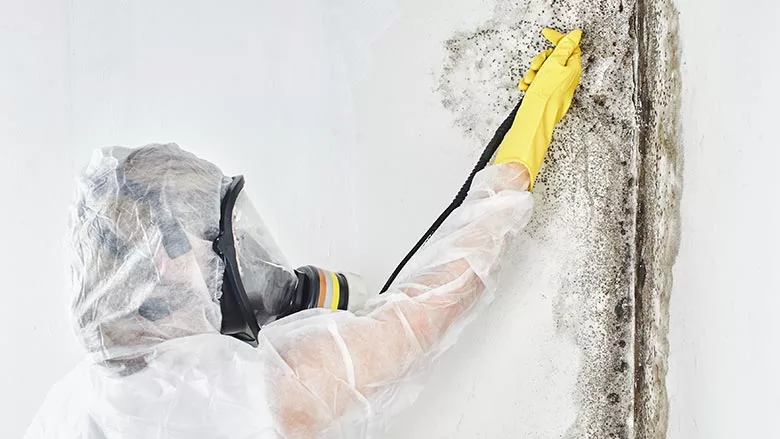
Barry Rice, CSP, EHS Director for Signal Restoration breaks down how restorers can stay safe when working in environments that may involve mold, smoke, soot, fire damage, water intrusion, chemicals, or all the above.
This topic can feel overwhelming. Restoration work is complex; job sites change regularly. If you’ve watched this entire series, Barry’s message is safety doesn’t have to be complicated to be effective.
The solution is easy. It’s a Job Hazard Analysis (JHA).
Barry explains that regardless of job size, a JHA brings clarity by forcing teams to slow down and do three simple things:
- List the tasks
- Identify the hazards associated with each task
- Determine how those hazards will be controlled
When hazards are written down and addressed one by one, even highly complex projects become manageable. The JHA helps project managers plan ahead for scheduling training, sourcing the correct PPE, coordinating specialty equipment, or staggering work to avoid unnecessary exposure.
A key takeaway from this final tip is that safety culture is built through preparation and consistency. As we wrap up this month’s series, our goal is clear: to bring safety conversations out of the background and into everyday operations.
Thank you for tuning in! We will see you next week and discuss the topic of Catastrophe Preparedness.
More Tips in This Series
- The Most Overlooked PPE in Restoration Jobs
- Containment Basics to Prevent Cross-Contamination on Restoration Job Sites
- Navigating the Gray Areas of Respiratory Protection After Fire Losses
- Why Respirator Fit Testing Is Essential for Restoration Safety
- Managing Multiple Job Site Hazards with Job Hazard Analysis
Looking for quick answers on restoration, remediation and cleaning topics?
Try Ask R&R, our new smart AI search tool.
Ask R&R →
Looking for a reprint of this article?
From high-res PDFs to custom plaques, order your copy today!