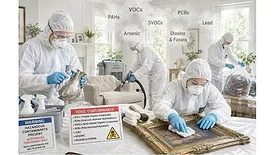
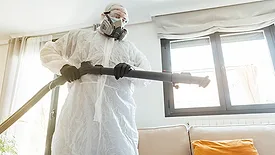
In part 6, we look at cleanability, contents restoration, worker hazards, onsite and offsite cleaning, and the challenges of restoring artwork, antiques, and porous materials after a wildfire or WUI fire.
Here’s why restorers should build relationships with environmental consultants, reconstruction contractors, and contents specialists before taking on fire losses.
Can you successfully restore an item after water or fire damage? Or is replacement a better option? Annissa Coy shares why restorability involves more than what you can see, monetary and sentimental value should always be taken into consideration as well as several other factors.
Preparing for wildfires start long before the first flames ever appear. Here’s how restoration companies can use wildfire risk intelligence, real-time event data, operational planning, and consistent documentation to manage their resources, prepare their teams, and respond effectively as wildfires evolve.
Homes that never caught fire can be affected by wildfire smoke, and it isn’t always visible. Annissa Coy shares how restorers should assess smoke contamination, evaluate affected contents, understand testing limitations, and determine when professional environmental testing and post restoration/remediation verification is necessary.
Learn about the future of fire restoration, including assessment, decontamination, cleaning, worker safety, testing, verification, and contents restoration on this episode of Ask The Expert.
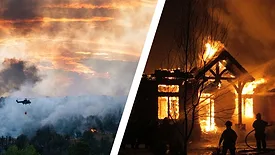
Wildfires threaten more communities every year and not just homes and buildings. They threaten bridges, utilities, roads, and transportation. Learn how proactive planning, resilient materials, and infrastructure can help communities ahead of the next wildfire.
 RSS