Restoration logo
search
cart
facebook twitter linkedin youtube
  • Sign In
  • Create Account
  • Sign Out
  • My Account
Restoration logo
  • NEWS
  • PRODUCTS
    • New Products & Technologies
    • Submit Your Product
    • Interactive Product Spotlights
  • CATASTROPHE
    • Fire
    • Hurricane
  • TOPICS
    • Latinos in Restoration
    • Cleaning & Sanitation
    • Contamination
    • Contractor Safety
    • Contents
    • Fire & Smoke
    • Mold
    • Odor
    • Recon & Reno
    • Water
  • EDUCATION
    • Training & Education
    • Business Management
    • Insurance/Legal Matters
    • KnowHow
    • Podcasts
    • Webinars
    • Whitepapers
    • Industry Events
    • Sponsor Insights
    • Ask R&R AI
  • VIDEOS
    • Ask the Expert
    • Ask Annissa
    • Marketing Monday
    • Tech Tip Tuesday
  • BUYER'S GUIDE
  • THE EXPERIENCE
    • Convention & Trade Show
    • R&R Special Issue
  • ABOUT
    • Contact
    • Advertise
  • SIGN UP
Fire and Smoke Damage RestorationCatastrophe RestorationManaging Your Restoration Business

Wildfire Preparedness: What Restoration Companies Should Do Before the Next Fire

Learn how wildfire risk data, standardized workflows, and resource planning can help strengthen restorers CAT response
By Tory Farney, Justin Jackman
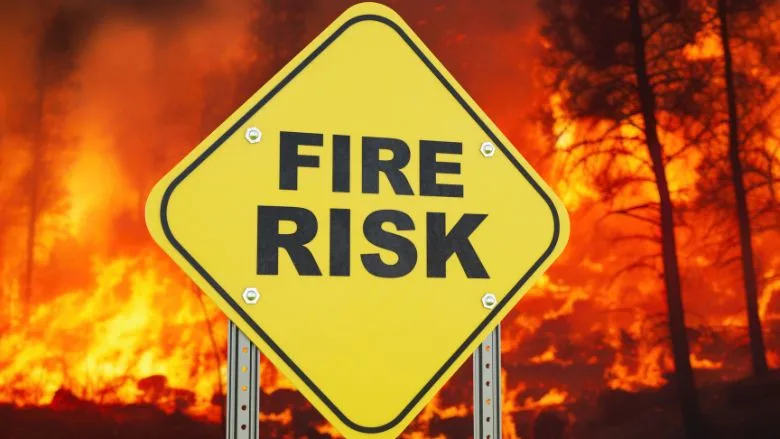
Fire risk sign with a bush fire in background
Image Credit: asbe / iStock / Getty Images Plus
October 29, 2026

Wildfire activity has traditionally followed regional seasons, but those seasons are shifting and extending, making now the time for restoration firms to prepare for future events. The first hours of a wildfire are not the time to start building a response plan. Restoration contractors need to make critical decisions about their people, equipment, and customer commitments in advance, so they’re prepared to act as the conditions and demands increase.

Through mid-September, wildfires have already burned more than 8.5 million acres across the United States, nearly 1.5 times the amount of land typically burned by this point in the season, according to insights from Verisk Respond®. The Northwest has been particularly impacted, with more than 3 million acres burned so far, more than five times the acreage burned in the region all last year.

However, wildfires are not just a western hazard. The eastern U.S., spanning the Midwest through the Northeast, recorded more than 200,000 acres burned in both 2024 and 2025. This year is on a similar pace, with more than 163,000 acres already burned this year. This makes the 2024-2026 period the most active wildfire period in the eastern U.S. in at least the last 30 years.

Wildfire preparedness begins long before smoke appears on the horizon. Restoration contractors can strengthen their readiness by combining risk intelligence on previous wildfire events, real-time event information, operational planning, and standardized response procedures.

Make better decisions before and during a wildfire

Effective wildfire preparedness generally requires two complementary types of intelligence: long-term risk information based on previous events and real-time event data. Together, they help restoration organizations prepare before a fire and respond more effectively as conditions evolve.

Long-term wildfire risk information can help restoration contractors prioritize their preparedness efforts across their service areas. That may include identifying communities where planning should be strengthened following previous wildfire events, considering staging locations, and understanding where home or neighborhood hardening measures may have the greatest impact.

Once a fire is underway, real-time event intelligence, like that offered by Verisk Respond, serves a different purpose. It can help contractors monitor changing conditions, identify areas where restoration demand may emerge, and position resources to serve affected properties when authorities determine it is safe to do so.

Looking for quick answers on restoration, remediation and cleaning topics?
Try Ask R&R, our new smart AI search tool.
Ask R&R →

The goal is not to predict the next wildfire. It is to connect risk awareness with a response plan that teams can activate as conditions change.

Build capacity before demand rises

Restoration contractors are at their best when careful preparation supports fast, disciplined action. The strongest teams establish surge plans in advance, clarifying when to activate them, identify who has authority to make decisions, and determine when they need to pause new assignments to protect people and service quality.

Restoration contractors excel at mobilizing their people and resources when communities need them the most. Leading teams strengthens that capability by reviewing equipment, staffing, and geographic coverage in advance, building relationships with qualified subcontractors, and preparing for multiple concurrent losses. As the response unfolds, monitoring assignments, project progress, and available resources helps them adapt quickly while maintaining safe, high-quality service.

Centralized job-management technology can help teams maintain a clearer view of project schedules, workflow milestones, field documentation, and work in progress as demand increases. That visibility can support more informed decisions about staffing, sequencing, and service levels during surge events. For example, XactRestore brings estimating, project tracking, and field documentation together in a connected restoration workflow.

Prepare for losses beyond the flames

Wildfire-related restoration demand can extend beyond properties directly damaged by flames. Smoke, soot, and airborne particulates can affect surrounding structures and in some cases those miles from the flames, creating odor, HVAC, and indoor-environment concerns.

It’s essential to be prepared to assess and document these conditions, recognize when specialized testing or expertise may be required and account for secondary losses in staffing, equipment, and customer communication plans.

Standardize the response

When demand rises, restoration contractors can sustain the quality, safety and communication that customers rely on by putting consistent practices in place before workloads increase.

  • Create consistency. Standardized documentation, estimating, and communication practices help teams deliver a consistent response as operations expand.
  • Document conditions and decisions. Detailed photos taken before cleanup alter the site, along with clear records of work performed, decisions made and project status, preserve an accurate account throughout recovery.
  • Keep customers and teams informed. Clear communication plans establish who provides updates, when they occur, and how information is documented internally and externally. Setting realistic expectations about timelines, material availability, and labor constraints—and updating them as conditions evolve—can further strengthen customer trust during complex recovery efforts.

Readiness Starts Before the Fire

Wildfire preparedness is no longer just about responding after an event. By combining risk intelligence on previous wildfire events, real-time event information, and operational planning, restoration contractors can position resources sooner, scale more effectively and deliver a stronger recovery experience for property owners.

Technology and data play an important role in that process by improving visibility, coordination, and consistency across response efforts. The organizations best prepared for tomorrow's wildfire challenges will be the ones making critical decisions before the first smoke plume appears.

KEYWORDS: restoration business development restoration business growth restoration business profitability restoration business strategy wildfire wildfire damage restoration

Share This Story

Looking for a reprint of this article?
From high-res PDFs to custom plaques, order your copy today!

Tory farney headshot 200px

Tory Farney is vice president of weather solutions at Verisk. In his role, he leads a dedicated team in developing innovative weather solutions to help customers respond more efficiently and effectively to natural hazard events.

Tory joined Verisk in 2013 after graduating with his Master of Science in professional meteorology from Mississippi State. Prior to this, he received his bachelor’s degree in atmospheric science from Cornell University. He also holds a Chartered Property Casualty Underwriter (CPCU) designation and obtained his MBA through the Isenberg School of Management at the University of Massachusetts Amherst.

Justin jackman headshot 200px

Justin Jackman is the Product Director of XactRestore within Verisk Property and Restoration Solutions. Justin oversees the product management, innovation, enhancement, and customer experience of our contractor-facing solutions. Justin has been with Verisk for 17 years and his experience spans product management, product strategy, product development, customer engagement, and user experience. He is responsible for working closely within the market, understanding customer needs, setting strategies to address those needs, and delivering new and innovative value in a timely manner.

Recommended Content

JOIN TODAY
To unlock your recommendations.

Already have an account? Sign In

  • Women in Restoration Award Winner: Meredith Truitt

    Introducing R&R's 2026 Women in Restoration Award Winner, Meredith Truitt!

    Meet Meredith Truitt, R&R’s 2026 Women in Restoration...
    Restoration Training/Education
    By: Kayla McGowan
  • Digital view of the United States with a Hurricane and coding

    Is Your Restoration Technology Ready for the Upcoming Hurricane Season?

    Here’s how restoration contractors can prepare their...
    Catastrophe Restoration
    By: Taylor Carmichael
  • Business team analyzing financial data on digital tablets during a meeting

    7 Trends Influencing the Restoration Industry in 2026

    With market uncertainty, workforce transitions, new...
    Managing Your Restoration Business
    By: Oscar Collins
You must login or register in order to post a comment.

Report Abusive Comment

Manage My Account
  • Newsletters
  • Online Registration
  • Subscription Customer Service
  • Manage My Preferences

More Videos

Sponsored Content

Sponsored Content is a special paid section where industry companies provide high quality, objective, non-commercial content around topics of interest to the Restoration & Remediation audience. All Sponsored Content is supplied by the advertising company and any opinions expressed in this article are those of the author and not necessarily reflect the views of Restoration & Remediation or its parent company, BNP Media. Interested in participating in our Sponsored Content section? Contact your local rep!

close
  • 5 Questions to Shape Your 2027 Plan
    Sponsored byVioland Management Associates

    Five Questions That Should Shape Every Restoration Company’s 2027 Plan

  • Violand business coaching
    Sponsored byVioland Management Associates

    The Conversation Most Owners Wait Too Long to Have

  • Water Damage Project with flooded home with stairs
    Sponsored byCotality

    Schedule smarter with DASH’s mobile restoration job management

Popular Stories

A claims binder and restoration equipment come together in a jobsite setting, representing the relationship between third-party administrators and restoration professionals

Third-Party Administrators in Restoration: The Good, the Bad, and What Comes Next

ask the expert

Fire Restoration Safety, Lessons, and Customer Service

Ask the Expert: Preparing Your Restoration Business for 2027

Preparing Your Restoration Business for 2027

Preparing to Respond: Fires

Poll

Hurricane Isaias Impact

Has Hurricane Isaias generated work for you?
View Results Poll Archive

Products

2026 National Renovation and Insurance Repair Estimator

2026 National Renovation and Insurance Repair Estimator

Current prices in dollars and cents and detailed descriptions for hard-to-find items needed on most insurance, repair, remodeling, and renovation jobs. All price items include labor, material, and equipment breakouts, plus special charts that tell you exactly how these costs are calculated. Includes many reinstall/salvage cost estimates, hundreds of sample product images and unique architectural items.ISBN 978-1-57218-405-3


See More Products

Submit Your New Product/Technology to R&R!

Would you like to promote a new restoration, remediation or cleaning product/technology with Restoration & Remediation? Fill out the question below to start your submission:

Related Articles

  • Marketing Monday: What Restoration Companies Should Post on Social Media and Why It Works

    What Restoration Companies Should Post on Social Media and Why It Works

    See More
  • Marketing-Monday Tip 10: How Restoration Companies Should Use Paid Ads to Scale Smarter

    How Restoration Companies Should Use Paid Ads to Scale Smarter

    See More
  • Marketing Monday, Tip 11: How Restoration Companies Should Handle Leads to Win More Jobs

    How Restoration Companies Should Handle Leads to Win More Jobs

    See More

Related Products

See More Products
  • fires out.jpg

    Fire’s Out, Now What? Vol. I & II

  • After-The-Smoke-Clears.gif

    After The Smoke Clears...

  • CRIS.gif

    The Cleaning, Restoration, Inspection, and Safety Glossary

See More Products
×

Stay ahead of the curve with our newsletters.

Get the latest industry updates tailored your way.

JOIN TODAY!
  • RESOURCES
    • Advertise
    • Contact Us
    • Directories
    • Store
    • Want More
    • Submit a Press Release
  • SIGN UP TODAY
    • Create Account
    • Newsletters
    • Customer Service
    • Manage Preferences
  • SERVICES
    • Reprints
    • Marketing Services
    • Market Research
    • List Rental
    • Survey/Respondent Access
  • STAY CONNECTED
    • LinkedIn
    • Facebook
    • Instagram
    • YouTube
    • X (Twitter)
  • PRIVACY
    • PRIVACY POLICY
    • TERMS & CONDITIONS
    • DO NOT SELL MY PERSONAL INFORMATION
    • PRIVACY REQUEST
    • ACCESSIBILITY

Copyright ©2026. All Rights Reserved BNP Media, Inc. and BNP Media II, LLC.

Design, CMS, Hosting & Web Development :: ePublishing