Dominic will be responsible for managing insurance and non-insurance property damage claims, customer relations and support, as well as supervising work crews.
There has been a lot of talk about hiring woes in today’s booming job market. In R&R’s State of the Industry study in 2018 and 2019, hiring and retaining employees was identified as the top pain point for restoration contractors. With the unemployment rate sitting at a very steady 3.7%, that’s not new news to anyone, right?
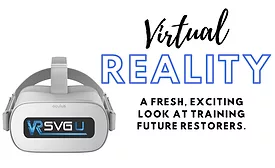
With VR training at the click of a button, new hires can be assigned to watch a series of courses or short videos on a variety of industry-specific tasks or job related skills.
In most restoration and remediation firms, the (techs) front-line guys and gals are the money. Yes, other departments play a role, but the dollars are realized with production techs. They produce the work, fill in forms; either paper or digital, create sketches, write estimates, set, monitor, move and pull equipment and smile for the customer who sometimes isn’t always peachy.
This is the second article of a multi-part series on employee burnout in the restoration industry. Part one introduced the nature of burnout, and summarized findings from a study on burnout in the restoration industry.