3 Options for Smoke Odor Removal after a Structure Fire
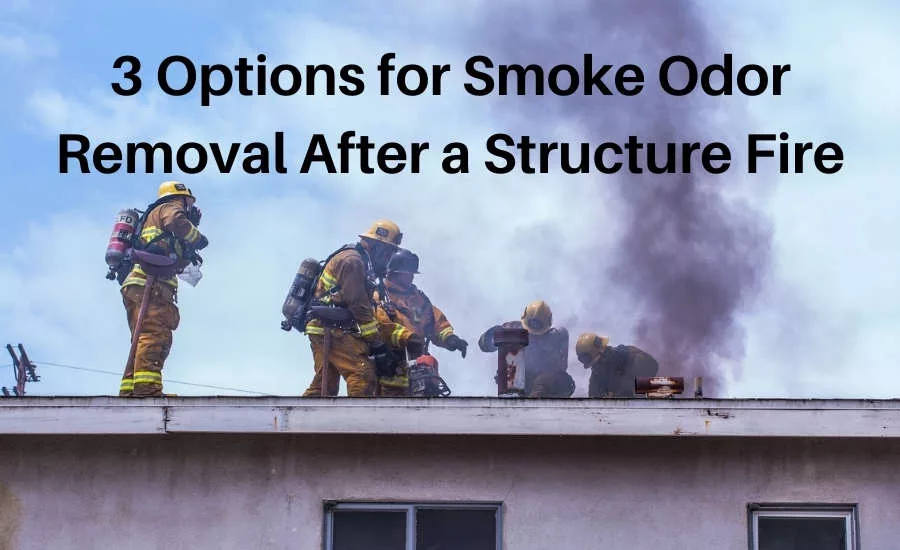
Between 2014 and 2018, U.S. fire departments responded to an average of 353,100 house fires per year, resulting in $7.2 billion in property damage. According to the National Fire Protection Association, cooking was the leading cause of those fires. As restorers well know, there are different types of fires – and those sparking from cooking, especially a protein fire, can leave noxious and tricky odors embedded into the structure and materials inside.
Smoke odors can permeate documents, furniture, electronics, clothing, wood, carpeting, and other household items, and removal of those odors is a critical part to the fire damage restoration process.
There are a few different options restoration teams have when it comes to removing the smoke smell from a home: Thermal fogging, ozone generators, or hydroxyl generators. Each method has its advantages and disadvantages, but one stands out from the rest.
Thermal Fogging
Thermal fogging consists of heating a deodorizer and spraying it in fog form. The fog can permeate even the most difficult spots to access, allowing the mixture to attach to the smoke particles and absorb them.
A big advantage of thermal fogging is that, in addition to neutralizing the smoke odor, it minimizes health issues associated with carcinogenic debris. Living in a space with remaining smoke particles can lead to respiratory problems, with babies, children, the elderly, and anyone else with a compromised immune system at higher risk. Thermal fogging can help prevent this because fogging is such a thorough method. The fog soaks into the carpets, small cracks, walls, and other surfaces, absorbing any remaining smoke particles.
Thermal fogging should not be done in the presence of people or animals depending on the deodorizer used. Those operating the fogger should wear respirators, eye protection and skin protection. Once the fogging is finished, leave the treated area undisturbed for at least a half hour to an hour to allow for maximum penetration of the fog. Then ventilate the area thoroughly for at least half an hour before allowing people to return to the space.
Ozone Generator
Ozone generators release artificial ozone gas that attaches to pollutants and alters their chemical composition. This is a popular method because the machine can be turned on and left alone as the ozone is spread throughout the area and breaks down the smoke molecules.
Looking for quick answers on restoration, remediation and cleaning topics?
Try Ask R&R, our new smart AI search tool.
Ask R&R →
Ozone generators work fast and can generally get a job done in less than a day. Ozone has a half life of approximately 20 minutes and can build up in confined areas, which makes the treatment process very effective. The typical recommended time for an ozone generator to run is 3-6 hours depending on how many rooms you want cleaned. However, ozone is an unstable and highly reactive gas that can affect the human body’s cells if breathed in. Ozone generators can only be used in unoccupied areas.
Exposure to ozone can cause breathing problems, lung damage, and shortness of breath, among other things. This means everyone, including the restoration team, must evacuate the area while ozone generators are on. Ozone settles after 2-3 hours and the molecules detach to become regular, safe-to-breathe oxygen again. You will need to wait a few hours after shutting off an ozone generator before going back in.
Hydroxyl Generator
Hydroxyl generators produce hydroxyl radicals that break apart odor molecules. These hydroxyl molecules convert contaminants into carbon dioxide and water. It is a relatively simple process compared to other popular odor removal methods as it does not require additional intervention by masking agents, chemicals, and oils. There is also no fogging, spraying or wiping.
Unlike thermal foggers and ozone generators, hydroxyl generators are safe to use around people and sensitive materials. These machines can be plugged in, turned on, and run constantly while cleaning crews work throughout the home, effectively removing smoky, moldy smells from fabrics and surfaces while you take care of the structural repairs. What does this mean? While the process of eliminating the odor might take slightly longer than with thermal fogging or ozone, the overall time saved by being able to work on other restoration tasks while the deodorization is going on makes hydroxyl generators on par—if not better—time-wise.
Hydroxyl generators work simply by being strategically placed throughout an odor-impacted property and turned on. While it will likely take a few days for full results, most people notice the offending smells being eliminated within the first few hours.
Learn more about odor removal methods and products
The main benefit hydroxyl generators have over thermal fogging and ozone generators are their ability to be run while people and other living things are in the space. In addition, they leave no residue behind. All three methods break down odor molecules and eliminate the source of the smell, but hydroxyl generators allow for continuous restoration and prevent damage to sensitive materials that could accidentally get left behind. Hydroxyls tend to be the preferred method because they can eliminate or minimize business downtime.
Looking for a reprint of this article?
From high-res PDFs to custom plaques, order your copy today!