Part three of this series highlights price competition, commoditization, and strategies restorers can use to help protect their profitability and help differentiate their business.
In part two of this series, we explore how TPAs, buyer power, and managed repair programs are continuing to reshape the competition and profitability in the restoration industry.
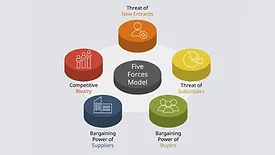
The restoration industry is evolving from a fragmented state to a mature but highly competitive market. In part one we explore how private equity, consolidation, and Michael Porter’s Five Forces Framework are reshaping the future of the restoration industry.
This is the second article of a multi-part series on employee burnout in the restoration industry. Part one introduced the nature of burnout, and summarized findings from a study on burnout in the restoration industry.
Since the 1990s, experts have been declaring burnout levels are reaching epidemic proportions among North American workers (Maslach & Leiter, 1997). Since that time, most people would probably agree that work related stressors have only intensified with the proliferation of metrics, technology, and the need to be “on” all the time.
An important component of governance and also an excellent practice is to hold family business meetings. It is easy for families to be consumed by the day-to-day challenges of running the business, which often includes meetings that deal with the granular details of the business.