Industry experts explain why reading regulations, understanding ANSI/IICRC Standards, and using evidence-based training are essential for restoration compliance.
In this week’s Technical Tip Tuesday, John Reasoner of Paul Davis Restoration explains the two CAT preparedness practices that consistently save time and reduce secondary damage during major storm events: disciplined claim distribution and mandatory 3D/360 documentation at every phase of the loss. His approach shows how the right mix of planning and technology protects both crews and claim defensibility.
In this week’s Technical Tip Tuesday, John Reasoner breaks down why the first 10 minutes of a CAT loss are unpredictable, and how technicians can quickly control, stabilize, and protect the team and occupants before any restoration work ever begins.
Barry Rice, CSP, explains the importance of Job Hazard Analysis (JHA) and how it helps restoration contractors safely manage multiple overlapping hazards on active job sites.
Containment is one of the most critical, and misunderstood, controls in remediation. This article breaks down how temporary barriers, airflow management, and negative-pressure systems work, and what industry professionals need to get right to prevent cross-contamination.
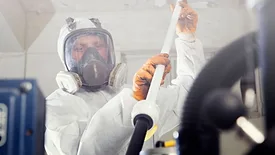
This week’s Technical Tip shares why annual respirator fit testing is critical for OSHA compliance and worker safety. Barry Rice, CSP, highlights key aspects of fit testing, what it prevents, and why consistency is key.
The restoration industry lacks an industry-specific labor code, but OSHA’s Top 10 violations offer clear insights into the safety gaps restorers face every day. Here’s what each violation means for your teams and how you can use this data to improve compliance, reduce injuries, and protect your business.
Homeowners face information overload after WUI fires, while real risks linger indoors. This article translates science into practice and defines burn/near/far-field impact zones, separates visible from invisible, outlines forensic sampling strategies, and provides heavy-metal background context with defensible, ALARA-based PRV targets restorers and IHs can use to close complete their projects confidently.
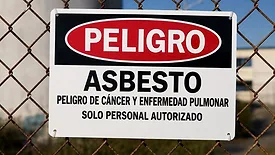
In this episode of Ask The Expert, leading industry experts explain when asbestos training is required, what work can safely proceed, and how restorers should manage their risk once the results are received.