ASTM E2356-26 Updates Asbestos Survey Requirements: What Restorers Should Know
What restorers and property owners need to know before restoration, renovation, and demolition
ASTM International recently released ASTM E2356-26, the 2026 revision of the industry consensus standard for comprehensive building asbestos surveys, replacing ASTM E2356-18. The revised standard strengthens expectations for planning, conducting, and documenting asbestos surveys while expanding the range of building areas inspectors must evaluate.
The update comes at a time of continued regulatory scrutiny and reinforces a longstanding requirement under the U.S. Environmental Protection Agency's National Emission Standards for Hazardous Air Pollutants (NESHAP): property owners and project teams must complete asbestos inspections before beginning renovation or demolition.
Although asbestos regulations themselves are not new, the revised standard clarifies how inspectors should perform surveys and raises expectations for survey quality.
Expanded Scope of Inspections
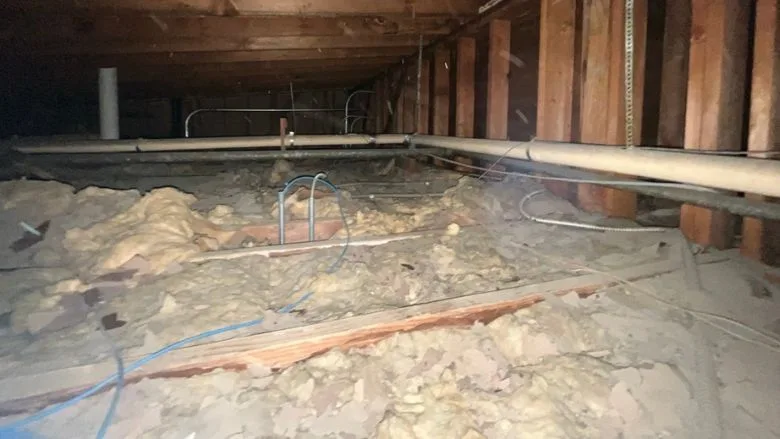
ASTM E2356-26 broadens the definition of the spaces inspectors must examine. Previous versions primarily focused on regularly occupied areas, such as offices, classrooms, and residential interiors. The updated standard now explicitly requires inspectors to evaluate areas that people do not regularly occupy, including attics, plenums, and mechanical spaces, whenever construction activities are likely to disturb them.
This change closes a longstanding gap and reflects the realities of renovation and demolition projects, where overlooked spaces often contain regulated asbestos-containing materials.
The revised standard also places greater emphasis on documentation, improving consistency across projects and making survey findings more traceable and defensible.
Beyond improving consistency and documentation, comprehensive asbestos surveys protect workers, building occupants, and the public from unintended asbestos exposure. By identifying asbestos-containing materials before renovation or demolition begins, project teams can properly manage hazards and reduce the potential for airborne asbestos fiber release. While regulatory compliance, project costs, and project schedules remain important considerations, protecting human health continues to serve as the primary objective.
Looking for quick answers on restoration, remediation and cleaning topics?
Try Ask R&R, our new smart AI search tool.
Ask R&R →
For limited and controlled demolition, the key NESHAP question is not whether the entire building is being demolished. The regulation applies to both demolition and renovation activities, and EPA requires the owner/operator to thoroughly inspect the affected facility or the part of the facility where the demolition or renovation operation will occur before work begins.
Alignment with Federal Requirements
Although ASTM E2356-26 serves as an industry consensus standard rather than a regulation, it closely aligns with enforceable federal requirements under:
- Environmental Protection Agency (EPA) NESHAP (40 CFR Part 61, Subpart M)
- Occupational Safety and Health Administration (OSHA) asbestos standards for construction and general industry
Under NESHAP, property owners and project teams must complete asbestos inspections before renovating or demolishing regulated structures, including:
- Commercial, industrial, and institutional buildings
- Residential buildings with four or more units
- Structures with load-bearing elements, such as towers and industrial facilities
Project owners must submit notification at least ten working days before work begins whenever asbestos-containing material exceeds 160 square feet, 260 linear feet, or 35 cubic feet.
Failure to comply can trigger regulatory enforcement actions, civil penalties, and project delays that may extend one to three months while significantly increasing overall project costs.
Important distinction for inspectors and contractors
The phrase in §61.145 is:
"Prior to the commencement of the demolition or renovation, thoroughly inspect the affected facility or part of the facility where the demolition or renovation operation will occur for the presence of asbestos..."
This means EPA does not require the entire building to be surveyed when only a limited area will be disturbed. The inspection must be sufficient to identify asbestos in the portion of the structure affected by the work.
ASTM E2356-26 Consideration
- ASTM E2356 addresses pre-renovation and pre-demolition asbestos surveys and generally focuses on identifying asbestos in areas that will be impacted by the planned work.
In the restoration industry, a common approach is a targeted survey of all building materials that may be disturbed by the scope of work, even when only a limited area is being demolished.
Why the Standard Matters
Federal regulations require asbestos inspections, but they do not always explain how inspectors should conduct them. ASTM E2356-26 fills that gap by standardizing survey methodologies and promoting consistency across inspectors and projects.
Without a clear standard, inspectors can produce survey results that vary significantly in quality and completeness. The updated ASTM framework reduces that variability while supporting more reliable project planning and regulatory compliance.
ASTM E2356-26 complements related standards by defining three primary survey types:
- Baseline Survey: Identifies all asbestos-containing materials within a structure.
- Project Design Survey: Supports planning for renovation or demolition.
- Pre-Construction Survey: Confirms site conditions immediately before construction begins.
- The updated standard applies to each survey type and further refines expectations for execution.
Financial and Legal Implications
Incomplete or inadequate asbestos surveys increase the risk of unrecognized asbestos exposure for workers, building occupants, and the public. They can also trigger regulatory enforcement actions, civil penalties, project shutdowns, and costly remediation efforts. When organizations knowingly violate asbestos regulations or engage in willful misconduct, prosecutors may also pursue criminal charges.
In many cases, organizations spend relatively little on comprehensive asbestos surveys compared to the substantial financial exposure associated with noncompliance. Penalties, project delays, and corrective actions can collectively drive costs into the hundreds of thousands of dollars.
Enforcement trends also show that incomplete or inadequate inspections performed early in a project often lead to regulatory violations later.
What to Do Now
With ASTM E2356-26 now in effect, property owners, developers, and contractors should verify that every asbestos survey complies with the updated standard. They should pay particular attention to areas that previous inspections may have overlooked, including attics, crawlspaces, and mechanical systems.
By conducting comprehensive, well-documented asbestos surveys that align with current standards, project teams can protect human health, reduce project risk, maintain regulatory compliance, and keep projects on schedule.
Looking for a reprint of this article?
From high-res PDFs to custom plaques, order your copy today!