How many times have you shown up at a job site only to find your containment has stopped containing? Sometimes it’s the tape coming unstuck, sometimes the homeowner has been poking around, and sometimes all you get is a collective “I don’t know” along with the ever-impressive shoulder shrug.
Ever since stories have circulated about how mold can affect people and make them sick, the restoration and home insurance industries have become serious about detecting and repairing water damage thoroughly and swiftly. Mold is not only bad for people; if left to thrive, it will make our homes uninhabitable.
Three questions with Amy Siedlecki, of The Mold Reporters, shares her experiences over the years with how property restoration contractors can provide greater value to clients.
Let’s talk contracts. To what degree do you guarantee and warranty mold remediation? How do you balance your services with your legal (and moral) obligations regarding mold clean up? A look at your contract terms should match up to your verbal promises made to the client. So where are you?
Abrasive blasting is a widely used method for removing surface contaminants, encompassing a variety of abrasive blasting medias from highly abrasive (e.g., garnet) to moderately abrasive (e.g., crushed glass) to non-destructive abrasive (e.g., baking soda).
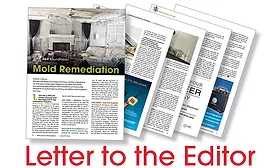
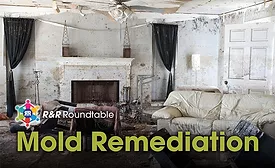
The R&R Roundtable was designed to bring a number of viewpoints on restoration-related topics together in one place. This month, five companies specializing in mold remediation are sharing their viewpoints on product options, training, remediation misconceptions, and more.
Something occurred to me while watching TV the other night. My favorite game show was on - you know the one – a long-running hit game show that features families feuding with each other by guessing how 100 men or women responded to a given question.
 RSS
RSS