Learn how restoration contractors can navigate slower periods, especially slower storm seasons, through diversifying their business, preparedness, and growth strategies.
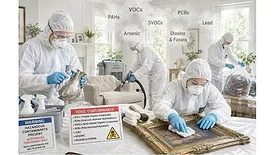
In part 6, we look at cleanability, contents restoration, worker hazards, onsite and offsite cleaning, and the challenges of restoring artwork, antiques, and porous materials after a wildfire or WUI fire.
Here’s why restorers should build relationships with environmental consultants, reconstruction contractors, and contents specialists before taking on fire losses.
Brantley Kushner and Robb Harrell share the challenges, technology, vendor partnerships, and coordination that helped the team ATI complete a complex job after hurricane Milton that affected 279 units.
In their new roles, the area presidents will provide leadership across their respective markets and work collaboratively to support the company’s continued growth and success.
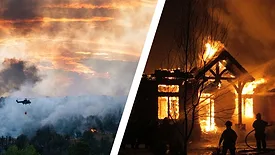
Preparing for wildfires start long before the first flames ever appear. Here’s how restoration companies can use wildfire risk intelligence, real-time event data, operational planning, and consistent documentation to manage their resources, prepare their teams, and respond effectively as wildfires evolve.
Homes that never caught fire can be affected by wildfire smoke, and it isn’t always visible. Annissa Coy shares how restorers should assess smoke contamination, evaluate affected contents, understand testing limitations, and determine when professional environmental testing and post restoration/remediation verification is necessary.
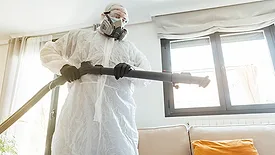
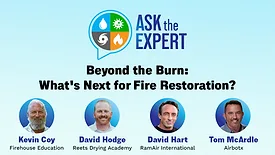
Learn about the future of fire restoration, including assessment, decontamination, cleaning, worker safety, testing, verification, and contents restoration on this episode of Ask The Expert.
 RSS