Working with third party administrators is pretty much a normal way of life for restoration contractors in the U.S. Only a select few companies have chosen the path of completely finding work on their own, and bypassing TPA work.
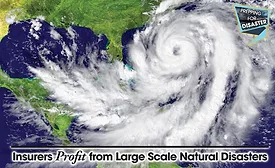
Catastrophes, while terrible for people in the affected area, produce a lot of restoration and remediation work in a concentrated area, making them an incredible business opportunity for restoration contractors.
While the regulators come up to speed on forensic restoration work itself, the industry also needs to be pushing to improve contractor performance on the voluntary end.
In disaster restoration, most negotiations occur between the contractor’s estimator or project manager and the insurance adjuster. The negotiation tends to be adversarial in nature, and generally ends with one of the parties feeling like they were cheated or taken advantage of.
A few years ago, a restoration client of mine asked me what he could do to speed up payment from bank escrow accounts for the insurance claim work he had done.
In this edition of the Restoration Roundup, we're talking mold remediation, mold-sensitized individuals, insurance fraud, asbestos, reconstruction and more.
Conflict is not always avoidable. Inevitably, many companies will find their way into a courtroom, whether chasing payment, in a dispute with a former employee or business partner, or for any number of other reasons.