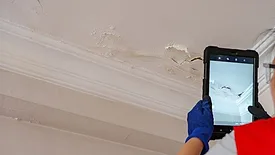
Successful restoration projects are documented thoroughly throughout the drying process. Learn how daily dry logs, moisture mapping, and disciplined photo documentation help restorers support their claims, withstand audits, and get paid.
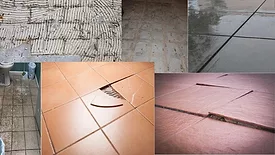
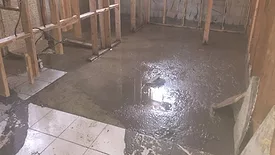
Water trapped under ceramic tile can cause hidden damage. This guide explains how to detect, document and drying flooring systems efficiently and effectively.
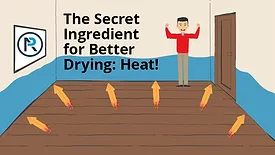
When it comes to water damage restoration, saving materials and reducing demolition aren't just best practices, they're keys to boosting profits and client satisfaction. But what if you could supercharge your drying process?
Industry experts have raised concerns about the E3 metric's methodology, as presented in Chuck Dewald’s paper "Enthalpy Evaporation Evaluation – A Case for the E3 Drying Metric." Issues such as unsupported data, ambiguous terminology, and lack of scientific validation highlight the need for rigorous testing before adopting new metrics in the restoration industry.
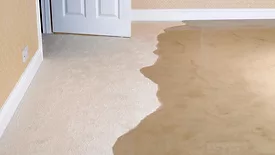
In water damage restoration, drying strategies are essential, but an important step is often overlooked. That crucial step is thorough cleaning before drying.
Restorative drying is essential for returning building materials to their pre-loss condition efficiently and cost-effectively. Learn more about the critical steps and considerations, from accurate material assessment to advanced dehumidification techniques.