Seasonal weather changes often prompt necessary home improvement projects and inspections, offering more opportunity for professionals to secure additional work.
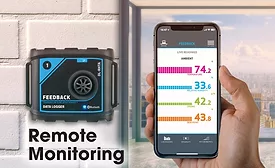
Remote monitoring has been a buzzword in the restoration industry for a several years. In case anyone reading this is not familiar with it, remote monitoring means setting up sensors on site so that data can then be viewed with a mobile device or computer in real time.
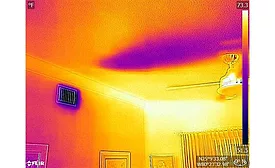
If left unchecked, water intrusion can damage a home or building. It can cause rotted wood, peeling paint, rusted metals, water stains, buckling floors, mold growth, and even pest infestations.
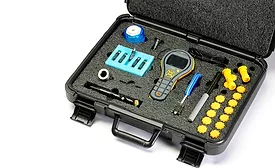
When drying concrete after water intrusions, it is important to monitor and measure the moisture content of the concrete in two phases: First during the drying phase; and again after the drying is complete.
Within this issue of R&R, we’ve talked about drying out spaces, when to demo, when not to demo, where to potentially place drying equipment, and so on.
Protimeter’s humidity sensor is the only sensor available for the ASTM F2170 test where the sensor was specifically designed for harsh and high humidity concrete floor environments.
Measuring humidity accurately with long term repeatability has always been a significant challenge for sensor companies. At the core of that challenge is a good reference measurement from which to calibrate all sensors. Humidity chambers mix dry air and water vapor to create atmosphere and often this is further improved with an instrument like a chilled mirror dew point sensor.