The Fire Wasn’t the Biggest Problem – Lessons in Restoration Project Management
Poor communication, jobsite management, and subcontractor oversight can damage customer trust and a restorer’s profitability
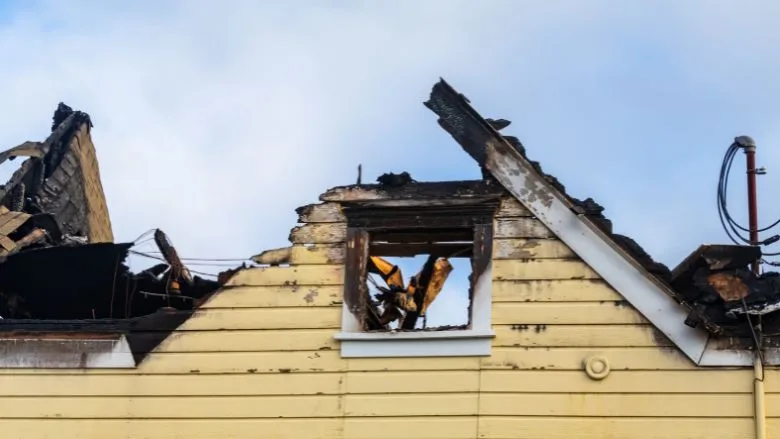
It was a cold February morning in 2017 when I received a call about a residential fire loss. At first, it sounded like a fairly routine project. When I arrived, though, I realized the situation was a little different from what I normally encountered. The property was a newly constructed model home that also served as the onsite sales office for the neighborhood. I had handled plenty of fire losses by that point, but I had never dealt with one quite like this.
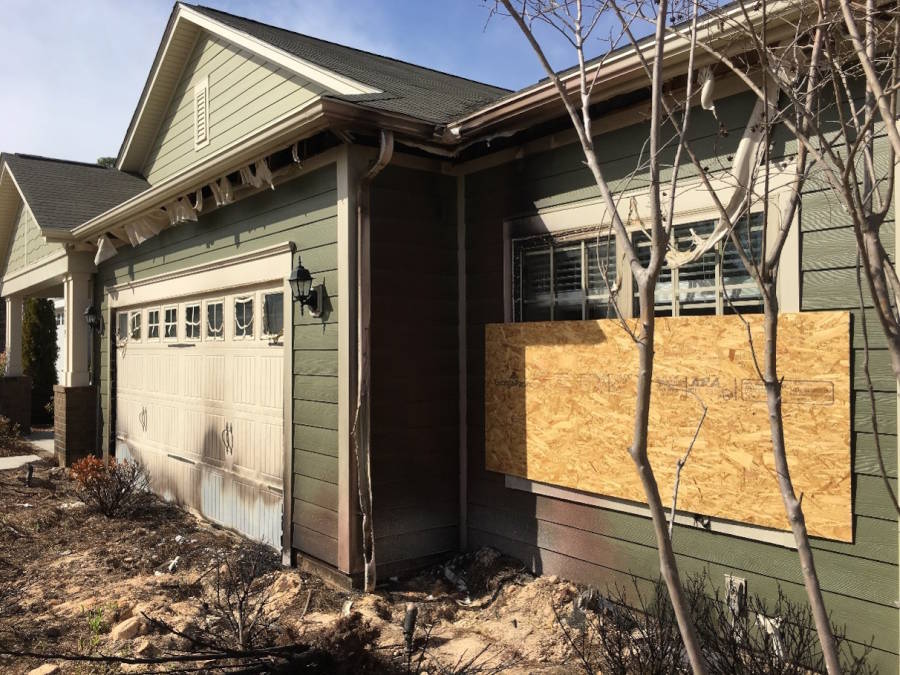
The property shortly after the fire loss. What initially appeared to be a straightforward restoration project eventually became something much more difficult to manage. Photo: Tim Farmer
When I arrived at the property, I started asking questions so I could understand exactly what had happened. One of the first things I wanted to know was how the fire started. Understanding the origin of a fire helps me get my bearings and tells me where I need to look for damage that may not be obvious during the initial inspection. Fire and smoke damage do not always stop where the visible charring stops. Knowing the sequence of events can help reveal areas that deserve a closer look.
The property owner explained that pine straw beside the garage had caught fire and that the flames traveled up the exterior wall. He also told me that someone had apparently discarded a cigarette into the pine straw. At that point, no one had been able to determine who had done it. Regardless of how the cigarette got there, the result was the same. What started outside the home had quickly turned into a fire loss that would require much more than a simple exterior repair.
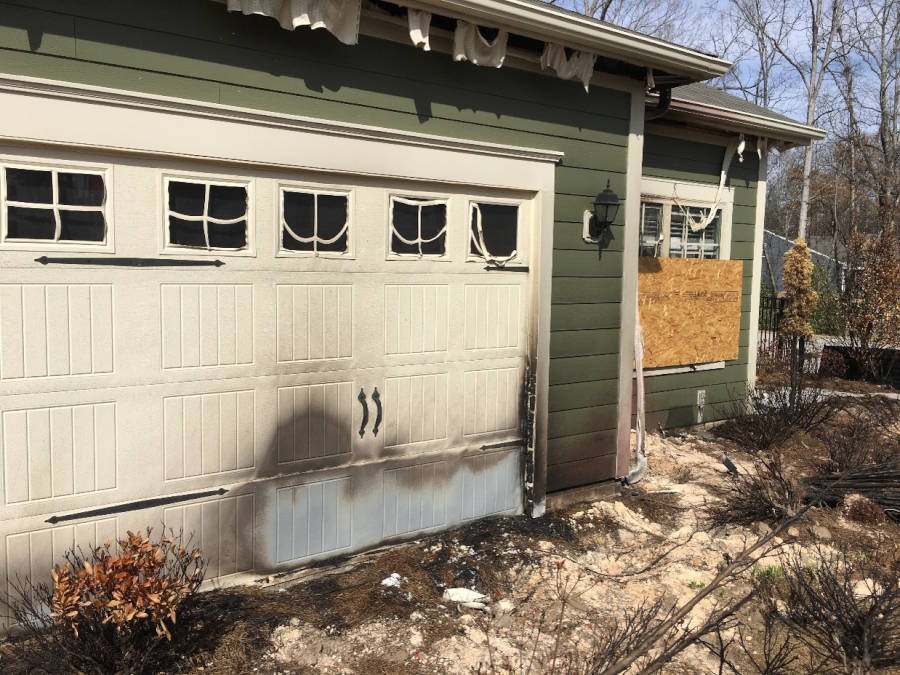
A different angle of the fire damage near the garage, showing how the fire traveled up the exterior and affected multiple building components. Photo: Tim Farmer
I began my inspection by walking the exterior of the home and then moving inside. I took measurements, photographed the damage, and tested surfaces throughout the rooms to determine whether soot had traveled beyond the immediate fire area. It had. The effects of the fire extended throughout more of the structure than someone might have assumed from simply looking at the exterior damage.
Once I finished the inspection, the owner and I met back outside to discuss the next steps. He told me that he wanted our company to handle the cleaning and repairs. During that conversation, he also mentioned that the insurance company had taken a camera system or recording device as part of its investigation. He was trying to get the recordings back, but at the time, I did not think much of it. I assumed he would work through that issue directly with the insurance company.
As I left the property, though, I had a strange feeling about the job. I could not point to one specific reason, but something about the situation just felt off. I returned to the office, wrote the scope of work, prepared the estimate, and submitted everything to the insurance company. A day or so later, I received confirmation that we were good to proceed with the work.
The Project Begins to Unravel
When I called the insured, he was already furious. He told me that he had received the camera recordings and discovered that one of the realtors had flicked the cigarette into the pine straw. His frustration was understandable, but by that point, he seemed angry with nearly everyone connected to the situation. Our company had nothing to do with the cigarette or how the fire started. We had simply been hired to help put the property back together.
Looking for quick answers on restoration, remediation and cleaning topics?
Try Ask R&R, our new smart AI search tool.
Ask R&R →
Shortly after that call, I scheduled an onsite handoff with the project manager assigned to the job. The insured wanted to meet with both of us, and I got the impression that he wanted to make sure the project manager heard everything we had already discussed. We walked the property together and reviewed the scope. During that meeting, the insured also began requesting additional work that went beyond what we had originally estimated. I explained that those items would result in additional charges because they were outside the agreed scope.
As you can imagine, that conversation brought out even more frustration. He pushed back hard and made it clear that he was unhappy with the overall situation. We did not agree to perform every additional item he requested, but eventually, things settled down enough for the project to move forward. At that point, I believed we had gotten through the hardest part.
I was wrong.
The project manager brought in a roofing subcontractor to handle the roof. The crew began removing and replacing the shingles, but as the work progressed, the jobsite quickly deteriorated. Shingles and roofing debris were scattered between neighboring homes, across the back patio, throughout the front yard, and around the property. Even worse, this was not simply debris left behind at the end of a workday. It sat there for days with seemingly no one taking responsibility for cleaning it up or managing the condition of the site. For a client who was already frustrated and distrustful, this was the last thing we needed.
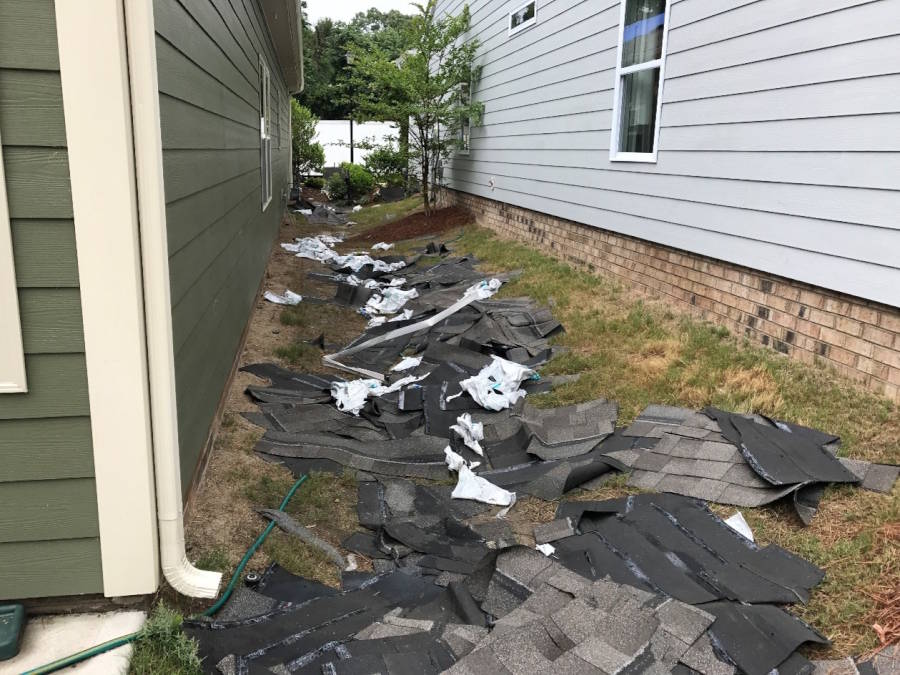
Roofing debris remained scattered around the property for days while work was still underway. The problem was not simply cleanliness. It was the lack of visible management and ownership of the project. Photo: Tim Farmer
Not long after that, I received a text from the insured expressing his frustration with the work taking place on the property. What bothered me was that this project manager had always given me positive updates during our regular meetings. Other clients had seemingly been satisfied with his work, and nothing in our internal conversations suggested that this project was beginning to unravel.
So why was this particular job going south so quickly? More importantly, how had the condition of the jobsite become this bad without me knowing about it?
Because of what I was hearing from the client, I knew I needed to visit the job as soon as possible. At that point, I could no longer rely on progress updates alone. I needed to see the condition of the property for myself and understand exactly what was happening onsite.
When I arrived, I was shocked by what I found. Trash and construction debris were scattered throughout the property, materials were disorganized, and there seemed to be very little control over the jobsite. Quite frankly, it looked like we did not know what we were doing.
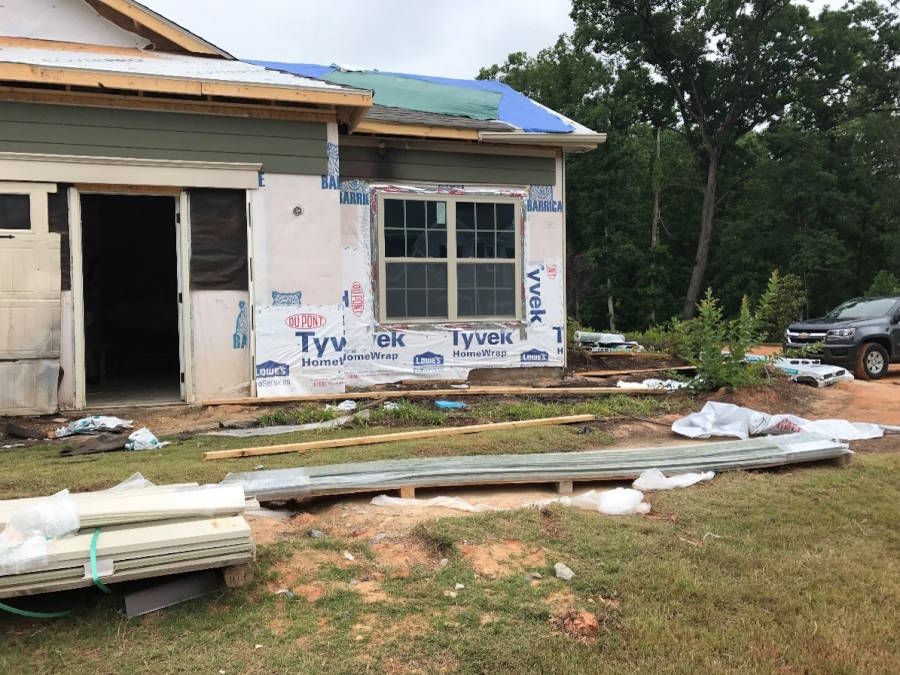
The condition of the project when I returned to the site. Work was progressing, but the organization and control of the jobsite had clearly deteriorated. Photo: Tim Farmer
Taking Control of a Troubled Project
Once I walked the property, I realized the condition of the jobsite was only part of the problem. I needed to understand how the project had reached this point in the first place. That meant reviewing the work already completed, the remaining scope, the communication with the client, the subcontractors involved, and, most importantly, the financial condition of the job.
I personally took the project over and started resetting expectations. I addressed the condition of the jobsite immediately, tightened communication with the client, reviewed the remaining work, and made sure everyone involved understood what needed to happen next. I also began watching the financial side of the project much more closely so that we could stop the losses from continuing.
Was any of this easy? No.
The owner called and texted me at all hours, sometimes as late as 10:30 at night. I had young children at home, and there were times when I was physically in the room with them but mentally still dealing with this project. That is what troubled jobs can do to us. They consume our attention long after we leave the jobsite.
So the real question becomes this: How do we prevent a project from reaching this point in the first place?
Trust, But Verify
Looking back, one of the simplest things I could have done was practice management by walking around. I had relied heavily on what I was being told instead of periodically putting my own eyes on the project. Had I visited the job earlier, I likely would have seen the warning signs long before the client reached the point of frustration.
Management by walking around simply means getting out and seeing what is happening for yourself. Visit active projects. Talk with the client. Look at the condition of the jobsite. Observe subcontractors. Check the progress. Then compare what you see with what your team is reporting.
You absolutely need to trust your team, but you should also verify the condition of the work. Trust, but verify.
Another lesson was communication. Once a client begins calling or texting because they do not know what is happening, you are already playing from behind. Your project manager should not wait for the client to ask for an update. By then, the relationship has already started moving in the wrong direction.
Set proper expectations for how often your team needs to communicate, then make sure those conversations actually happen. Consistent communication will not eliminate every problem, but it can keep a small problem from becoming a much larger one.
Jobsite cleanliness matters for the same reason. We sometimes look at debris, scattered materials, or an untidy work area as a production issue, but the client sees something different. They see your company. They do not care whether the mess came from your employee, your roofer, or another subcontractor. If your name is on the project, the condition of that jobsite reflects directly on your organization.
Watch the Financials Before It’s Too Late
I also learned that you cannot wait until the end of a project to determine whether it made money. Once I took control of this job, I began paying much closer attention to what we had spent, what work remained, and what it was going to take to finish the project correctly.
That gave me an opportunity to make adjustments while I could still do something about them. Within a couple of months, we were able to take a project that had become completely unprofitable and move it back into a profitable position.
Finally, we have to teach our teams when it is time to ask for help. A project manager should not feel like admitting that a job is getting away from them means that they have failed. The real failure is allowing the problem to continue because no one wants to raise their hand. That creates the wrong culture in our organizations.
Difficult clients, subcontractor issues, scheduling problems, scope changes, and declining profitability should all be reasons to bring someone else into the conversation before the situation gets worse.
Some Damage Is Harder to Repair
Looking back, I could fix the jobsite. I could fix the communication. I could tighten the financial controls and ultimately turn the project back toward profitability.
What I could not fully repair was the customer’s perception of our company.
By the time I stepped in, that damage had already been done. We eventually completed the project, the client signed off, and we got paid. But I do not believe he ever looked at our company the same way again.
Looking for a reprint of this article?
From high-res PDFs to custom plaques, order your copy today!