The Landlord's Dilemma: How Restorers Can Help Navigate Storm Recovery Challenges
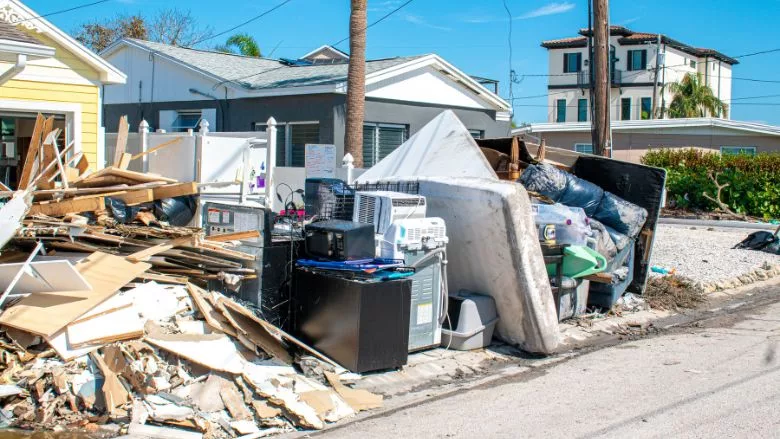
Storm damage after a hurricane creates significant disruption for rental properties, but for restoration contractors, it can also create an opportunity to lead and stabilize the restoration process. While the damage itself is challenging, restorers are often the center of helping and guiding the landlords in managing the entire restoration process. Since storm events impact entire communities, restoration contractors are in high demand, which leads to extended timelines and strained communication. At the same time, landlords are managing their displaced tenants, insurance carriers, and financial pressure.
This is where restoration contractors play a critical role in the process. It goes beyond the repairs with guiding the landlords through contractor delays, tenant expectations, and documentation requirements.
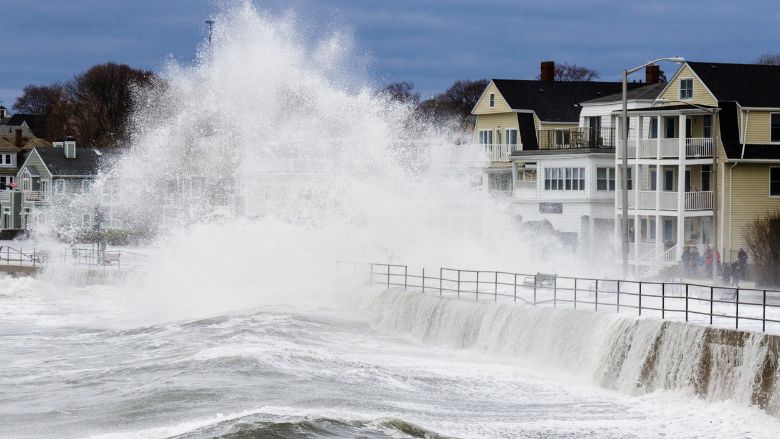
Credit: Leslie Scarbrough / iStock / Getty Images Plus
Why Storm Recovery Becomes So Complicated for Landlords and Where Contractors Add Value
Storm recovery becomes complicated because landlords are forced to manage several moving parts at once, many of which depend on contractor timelines and reporting. After a hurricane:
- Contractors are booked out weeks in advance, which can slow the start of the restoration process
- Timelines heavily depend on the contractor’s documentation and scope accuracy
- Tenants may be displaced, which can increase the pressure for the landlord to provide regular updates and timelines
As a restoration contractor, your ability to provide clear scopes, timelines, and documentation directly impact how effectively the landlord can manage all these challenges.
Landlords have to juggle repair costs, lost rental income, legal responsibilities, and constant communication with tenants. The contractor who proactively supports these areas becomes an invaluable partner, not just a service provider.
Common Types of Storm Damage and Contractor Considerations
While storm severity does vary, the common damage types that require technical expertise and clear communication and documentation include:
- Roof leaks and structural damage
- Flooding and water intrusion
- Mold growth
- Electrical and HVAC failures
- Structural or debris impact damage

Credit: Leslie Scarbrough / iStock / Getty Images Plus
What Restoration Contractors Should Do Immediately After a Hurricane
- After storm damage, contractors should focus on rapid response, thorough documentation, and communication that supports the landlord and the claims process.
- Perform a safety assessment and communicate any hazards to the landlord
- Document the damage with photos, videos, moisture readings, etc. to support the claim
- Provide a clear initial scope of work and outline the steps for mitigation and repair
Helping Landlords Reduce Tenant Conflict During Repairs
Restoration contractors can play a key role in reducing tenant frustration by equipping landlords with accurate information and regular updates.
Looking for quick answers on restoration, remediation and cleaning topics?
Try Ask R&R, our new smart AI search tool.
Ask R&R →
Setting Realistic Repair Timelines
One of the biggest challenges landlords face is setting clear expectations that they cannot control when it comes to contractor scheduling and delays.
As a restoration contractor, it is crucial that you provide realistic, clearly-defined timelines based on your current workload, material availability, and inspection requirements.
Instead of vague estimates, provide structured guidance that the landlord can pass on: “Based on the current conditions, mitigation will take approximately 3-5 days, with reconstruction timelines depending on the material availability and approvals.”
Accurate timelines from restoration contractors help landlords avoid overpromising and reduce tenant dissatisfaction. Property management expert Colin Stokes said:
“Quick responses to maintenance problems and honest, clear communication greatly improve how tenants feel and cope with the situation.”
Providing Progress Updates Landlords Can Share
During long repairs, silence usually makes things worse.
As a restoration contractor, it is important that you share regular progress updates, documentation, and status reports that the landlord can share with their tenants and insurers.
Many tenant frustrations stem from the lack of information, not just delays.
Contractors should provide:
- Daily progress updates
- Weekly or milestone progress reports
A report showed that nearly 28% of tenants feel stressed because of slow or lack of updates. That’s why regular updates matter.
Sal Dimiceli, owner of Lake Geneva Area Realty, said:
“People tend to respond more calmly and positively when they feel heard and know someone is actually paying attention.”
By providing the landlord clear updates, you help maintain tenant trust and reduce additional pressure for both you and the landlord.
Rent adjustments often become necessary when parts of the property are unusable during the restoration process, but the landlord relies heavily on the restoration contractor for input to help justify their decisions. As a contractor, your documentation can help support the landlord by clearly identifying:
- Affected areas of the property such as bedrooms, kitchens, bathrooms, parking areas, etc.
- The extent of the loss and the duration of the restoration process
- Project timelines and delays outside of the landlord’s control
Providing this level of detail helps the landlord have a more professional, transparent conversations with their tenants while supporting the claims process.
Expert Steve Patrick said:
“People become frustrated when they feel uncertain. Clear communication builds trust during stressful claims situations.”
Most tenants understand that storm recovery takes time. But conflicts arise from confusion, silence, or a sense of being left out of the process.
Final Thoughts
We know handling storm recovery is stressful. With your help and partnership, it helps reduce the stress and pressure landlords and tenants face with constant communication, documentation, and leadership.
The most effective contractors go beyond the technical aspect of the process and take the role of strategic partner, helping the landlord navigate delays, manage tenant expectations, and streamline the process. In today’s environment, success isn’t measured by how quickly the job is complete; it’s measured by how well the contractor supports everyone in the process.
If both parties know your needs and process, then the stress will be gone in no time.
Looking for a reprint of this article?
From high-res PDFs to custom plaques, order your copy today!