Restoration logo
search
cart
facebook twitter linkedin youtube
  • Sign In
  • Join Today
  • Sign Out
  • My Account
Restoration logo
  • NEWS
  • PRODUCTS
    • New Products & Technologies
    • Submit Your Product
    • Interactive Product Spotlights
  • CATASTROPHE
    • Fire
    • Hurricane
  • TOPICS
    • Latinos in Restoration
    • Cleaning & Sanitation
    • Contamination
    • Contractor Safety
    • Contents
    • Fire & Smoke
    • Mold
    • Odor
    • Recon & Reno
    • Water
  • EDUCATION
    • Training & Education
    • Business Management
    • Insurance/Legal Matters
    • KnowHow
    • Podcasts
    • Webinars
    • Whitepapers
    • Industry Events
    • Sponsor Insights
    • Ask R&R AI
  • VIDEOS
    • Ask the Expert
    • Ask Annissa
    • Marketing Monday
    • Tech Tip Tuesday
  • BUYER'S GUIDE
  • THE EXPERIENCE
    • Convention & Trade Show
    • R&R Special Issue
  • ABOUT
    • Contact
    • Advertise
  • JOIN
Fire and Smoke Damage RestorationOdor Removal

Fire Losses: Why Restoration Must Start As Quickly As Possible

By Tom McArdle
House Fire
June 1, 2021

A fire is sudden and can be scary for any business or homeowner. No matter how big or small, a fire can cause damage to a structure within minutes. Even if the fire itself is minimal and put out quickly, smoke damage can devastate the structure far beyond what the fire actually touches. Consider wildfire damage. Many homes and businesses are never even touched by flames, yet these structures are ruined just from smoke damage.

As quickly as a fire can cause serious damage to a building, it is imperative that you just as quickly address the damage. Any downtime will allow the damage to become increasingly worse — time is of the essence if you want to stop the damage from spreading.


Smoke Damage after a Fire

A professional fire damage restoration company is usually called immediately after a fire because cleanup needs to start before a soot chemical reaction occurs on all surfaces. After a fire is extinguished, soot residue begins to cover every surface. If not cleaned quickly, porous materials will become permanently discolored and unusable. 

Fire and smoke will also cause damage to surfaces — within hours, objects will start to rust, wood floors and furniture will need to be refinished, and walls will turn yellow. But, if the acidic soot and smoke damage can be cleared out quickly, you can avoid staining, discoloration, and permanent odor damage. 

If you wait too long, you will be throwing away items destroyed by soot and smoke and replacing materials that could have been repaired if harmful contaminants and VOCs had been removed quickly. Time also becomes important when you are working to create a safe environment for restoration specialists to begin work. 

It is imperative that the first contractors who begin restoration work at the site of the fire protect themselves from breathing in harmful smoke, soot, and VOCs. The great news is that new technology creates a safer environment for your crew while at the same time lightening your workload.


Start Damage Restoration as Quickly as Possible

One of the easiest ways to get to work as quickly as possible is to use a hydroxyl generator. These generators produce oxidizing gasses that break apart odor molecules and eliminate a very broad range of odors and VOCs. They can begin running immediately after the fire to help knock out smoke damage, keeping smoke and soot from greater damage to the structure, and making the environment safer for workers (although proper PPE should always be worn, of course). 

Looking for quick answers on restoration, remediation and cleaning topics?
Try Ask R&R, our new smart AI search tool.
Ask R&R →

Using a hydroxyl generator is as simple as plugging it in, attaching it to the necessary air mover to disburse the hydroxyl radicals, and letting the machine do its job. Hydroxyl generators are safe to run in occupied spaces — this means that crews can get in and start soot removal even faster, helping shield the structure from any further damage after the fire. 

Crews can be working the entire time while the generators are working alongside the crew — doing their job to keep the soot and smoke from destroying surfaces, structures, and items in the fire.


Sealing the Fire Damage

Sealing is a popular protocol in the smoke odor removal process; however, it becomes unnecessary when using hydroxyl generators properly. The hydroxyl generator will eradicate all fire odors, so sealers only need to be used to address the visual aspect of fire damage — i.e., to make things look better. 

It’s important to understand that hydroxyl generators stand alone when it comes to odor removal. There is no need for additional chemicals, oils, masking agents, charcoal filters, sealers, and so on. Hydroxyl radicals have the ability to get into the smallest nooks, crannies, and densely porous materials to eliminate odor. 

With items that have heavy smoke exposure, you can put them in storage containers or within plastic sheeting and blast them with hydroxyl radicals. You can also inject hydroxyls into hard-to-reach areas and crevices, like wall cavities, school lockers, etc.


KEYWORDS: deodorization smoke cleanup

Share This Story

Looking for a reprint of this article?
From high-res PDFs to custom plaques, order your copy today!

Tom McArdle is the Vice President of the Odorox Hydroxyl Group. He is a trainer and education specialist for the disaster restoration industry and travels throughout the United States conducting seminars and workshops. Reach him at tmcardle@odoroxhg.com. 

Recommended Content

JOIN TODAY
To unlock your recommendations.

Already have an account? Sign In

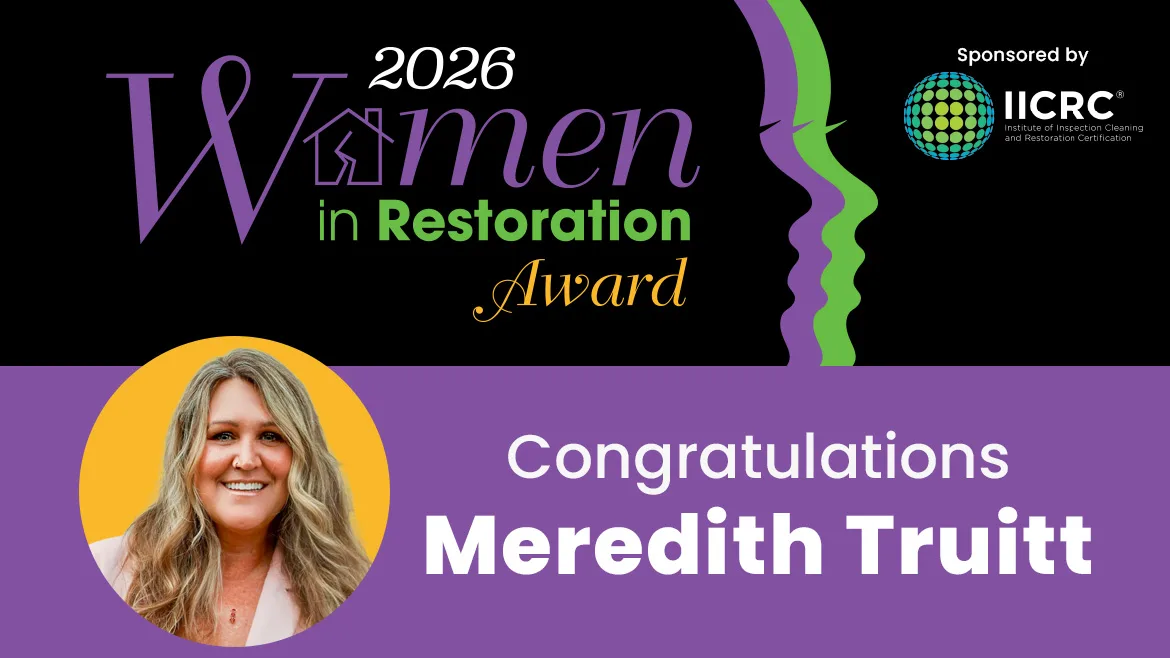
  • Women in Restoration Award Winner: Meredith Truitt

    Introducing R&R's 2026 Women in Restoration Award Winner, Meredith Truitt!

    Meet Meredith Truitt, R&R’s 2026 Women in Restoration...
    Restoration Training/Education
    By: Kayla McGowan
  • Digital view of the United States with a Hurricane and coding

    Is Your Restoration Technology Ready for the Upcoming Hurricane Season?

    Here’s how restoration contractors can prepare their...
    Catastrophe Restoration
    By: Taylor Carmichael
  • Business team analyzing financial data on digital tablets during a meeting

    7 Trends Influencing the Restoration Industry in 2026

    With market uncertainty, workforce transitions, new...
    Columns
    By: Oscar Collins
You must login or register in order to post a comment.

Report Abusive Comment

Manage My Account
  • Join Restoration & Remediation
  • Manage My Preferences
  • Customer Service

More Videos

Sponsored Content

Sponsored Content is a special paid section where industry companies provide high quality, objective, non-commercial content around topics of interest to the Restoration & Remediation audience. All Sponsored Content is supplied by the advertising company and any opinions expressed in this article are those of the author and not necessarily reflect the views of Restoration & Remediation or its parent company, BNP Media. Interested in participating in our Sponsored Content section? Contact your local rep!

close
  • 5 Questions to Shape Your 2027 Plan
    Sponsored byVioland Management Associates

    Five Questions That Should Shape Every Restoration Company’s 2027 Plan

  • Violand business coaching
    Sponsored byVioland Management Associates

    The Conversation Most Owners Wait Too Long to Have

Popular Stories

ask the expert

Fire Restoration Safety, Lessons, and Customer Service

October 2026 Editor's Note: An Open Letter to the Restoration Industry

An Open Letter to the Restoration Industry

Metal Gears with words printed on them

Beyond More Jobs: What It Takes to Scale a Restoration Business

Preparing to Respond: Fires

Events

May 19, 2026

Hurricane Response: What’s Changed, Who’s at Risk, and How to Scale Without Breaking

On Demand Hurricane season isn’t what it used to be, and neither is disaster response. In this webinar, our panel will break down what’s changed for hurricane response, and how restorers can scale responsibly without sacrificing their safety, retention, or profitability.

December 10, 2026

Fire Damage Restoration: What We Know, What We Don’t, and What Comes Next

LIVE: December 10, 2026 at 2 PM EST This webinar brings together restoration, industrial hygienists, and safety experts for a practical discussion on what happens from the moment a property is assessed for fire damage through final clearance.

View All Submit An Event

Poll

What is Your Primary Service Offering

What is your primary service offering for your business?
View Results Poll Archive

Products

2026 National Renovation and Insurance Repair Estimator

2026 National Renovation and Insurance Repair Estimator

Current prices in dollars and cents and detailed descriptions for hard-to-find items needed on most insurance, repair, remodeling, and renovation jobs. All price items include labor, material, and equipment breakouts, plus special charts that tell you exactly how these costs are calculated. Includes many reinstall/salvage cost estimates, hundreds of sample product images and unique architectural items.ISBN 978-1-57218-405-3


See More Products

Submit Your New Product/Technology to R&R!

Would you like to promote a new restoration, remediation or cleaning product/technology with Restoration & Remediation? Fill out the question below to start your submission:

Related Articles

  • Ebola Outbreak Warning News Alert sign with close up of Ebola microbe and blood stream

    Ebola Is Back: Why Restoration Professionals Must Prepare for the Biological Emergencies

    See More
  • restoration technician in full PPE cleaning Containment

    Why the Restoration Industry Must Refocus on Cleaning and Remove the Chemical Crutch

    See More
  • Technical Tip Tuesday: Navigating the Gray Areas of Respiratory Protection After Fire Losses

    Navigating the Gray Areas of Respiratory Protection After Fire Losses

    See More

Related Products

See More Products
  • fires out.jpg

    Fire’s Out, Now What? Vol. I & II

  • After-The-Smoke-Clears.gif

    After The Smoke Clears...

  • Water-Damage---Part-2.gif

    Water Damage - Mitigation & Restoration Volume II - Technical Procedures

See More Products
×

Stay in the know on the latest restoration & cleaning industry trends.

Get tailored content delivered your way.

JOIN TODAY!
  • RESOURCES
    • Advertise
    • Contact Us
    • Directories
    • Store
    • Want More
    • Submit a Press Release
  • JOIN TODAY
    • Create Account
    • Newsletters
    • Customer Service
    • Manage Preferences
  • SERVICES
    • Reprints
    • Marketing Services
    • Market Research
    • List Rental
    • Survey/Respondent Access
  • STAY CONNECTED
    • LinkedIn
    • Facebook
    • Instagram
    • YouTube
    • X (Twitter)
  • PRIVACY
    • PRIVACY POLICY
    • TERMS & CONDITIONS
    • DO NOT SELL MY PERSONAL INFORMATION
    • PRIVACY REQUEST
    • ACCESSIBILITY

Copyright ©2026. All Rights Reserved BNP Media, Inc. and BNP Media II, LLC.

Design, CMS, Hosting & Web Development :: ePublishing