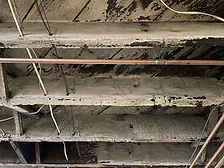
When buildings are damaged or destroyed by fire, it is not uncommon to see the surfaces of exposed concrete or masonry exhibit scarring, pitting or cratering. This phenomenon is known as spalling. The costs for extensive testing, and attempts at cleaning or restoration, can be very expensive.
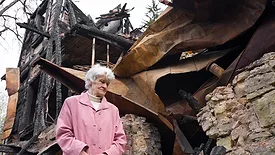
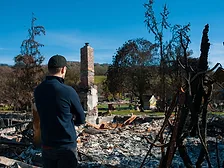
When you think of charred wood, ash left behind after a wildfire or soot, you might think that they are little more than harmless byproducts of incomplete combustion. Images of people sifting through the ash in their street clothes to find valuables, or walking through a burned-out home in shorts and flip-flops, gives the impression that post-fire environments are relatively safe. However, this is far from the truth.
In the fire restoration industry today, many practitioners use ozone generators as one of their primary means to neutralize smoke odor. Although ozone may be effective to some degree in neutralizing odors, many experts disagree on its effectiveness and whether the risks outweigh the rewards. So, what is ozone? And what are the associated health risks? Sean and Briana Scott examine the effects of ozone exposure and offer necessary precautions for working with ozone.
Inevitably, if you are a restoration company, sooner or later you will run into situations where the adjuster won’t pay for work you completed or only a fraction of what you have estimated the cost to be. In these situations, restorers have a few options, which depend in large part as to how far you’re willing to go, how much you’re willing to spend and if the risk is worth the reward.
Every fire has its own chemical makeup or DNA – the fuels that burned, the types of chemicals that have reacted or interacted, the duration of the fire, the intensity of the heat, the odors and gases the fire generates all contribute to the uniqueness and toxicity of structure fire environments.
Every restoration company encounters a certain percentage of projects that turn out to be undesirable, unprofitable, or uncollectible. Sean Scott likes to call these jobs the rotten eggs of restoration. Here he shares key things to consider when job leads are called in.
Not all fire restoration practitioners handle deodorizing fire- or smoke-damaged lumber the same, but there are some methods that work better than others. Here are nine steps that may be helpful.
The story behind Sean Scott’s decision to author the book The Red Guide to Recovery, and five tips on how restorers can give back or help their community, even if there isn’t a job in it for them.
Not having textiles tested after a cleaning could expose people to a wide range of chemicals and health risks. This could, in turn, expose restoration contractors and insurance companies to considerable liability.
My hope is that the information in this article will shed some light on what it can cost for a restoration contractor to stay in business and provide the level of service consumers expect after a disaster.