7 Steps for Successful Smoke Odor Remediation

Photo credit: Sean Scott
During a structure fire, heat and pressurized smoke can permeate the air, infiltrate walls, ceiling cavities and attic spaces, and find their way anywhere air can travel. After the fire is extinguished, porous materials begin the process of off-gassing and releasing volatile organic compounds (VOCs). These odors can last for years if the affected materials are not properly cleaned, deodorized encapsulated, or replaced.
Oxidizing gases such as hydroxyls or ozone, the use of HEPA vacuuming and air filtration, and other cleaning methods can greatly reduce smoke odors and particulate matter. However, in some cases the standard methods of deodorization may not work. Restorers need to realize that on a molecular level, any structure affected by fire or smoke may not be able to be totally sanitized. Furthermore, consumers need to understand that there are certain types of combustion byproducts in the air we breathe, as well as chemicals and gases, which current deodorization processes may have little to no effect on. Consumers often misinterpret the smoke deodorization process as a guarantee of complete air sanitation, which in most cases is impossible to achieve.
When difficult smoke odors are encountered, deodorizers or “re-odorizers” are often used to mask or camouflage them. Over time, these odor counteractant fragrances dissipate and under the right conditions, whatever smoke odors were treated or concealed can reactivate and reappear. Here is where real trouble can begin.
In situations where a client mentions that they smell smoke after the deodorization process is complete, the first reaction may be to try and downplay the possibility that any real odor exists since all the chemicals, deodorizers and oxidizing agents must have done their work, right? But then you have to ask yourself: Could the culprit be a failure of the deodorization methods deployed, an over-sensitive sense of smell on the client’s part, a desensitized sense of smell on the restorer’s part, both or something else?
Ensuring Successful Smoke Odor Remediation
If you do enough fire restoration projects, sooner or later you will run across a customer who swears they smell smoke after you have finished the deodorization process. Keep in mind that every fire has its own chemical makeup or DNA – the fuels that burned, the types of chemicals that have reacted or interacted, the duration of the fire, the intensity of the heat, the odors and gases the fire generates all contribute to the uniqueness and toxicity of structure fire environments. In addition, numerous new chemicals are being introduced into household products and building materials each year, many of which have never been tested or studied to determine what types of potentially toxic byproducts and odors they create when burned.
Before the restoration or deodorization process begins, restorers should consider the following steps:
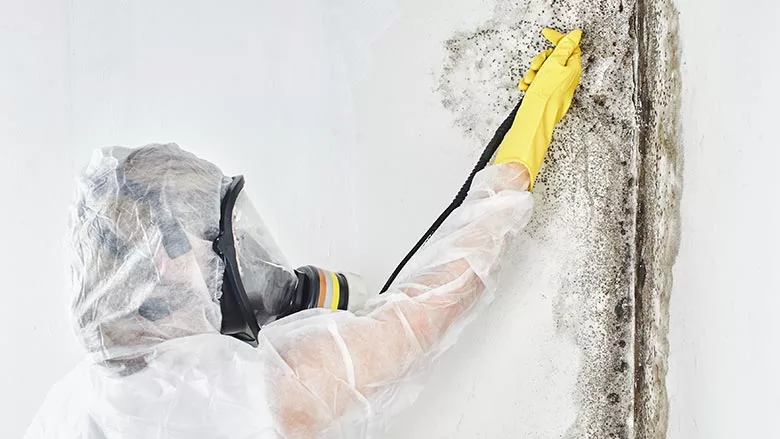
- Wear proper personal protective equipment before entering any fire-damaged building. Keep in mind that you have no idea what chemicals or toxins may be present, or that the fire may have created.
- Document the damages with a Matterport camera. This will provide a clear image for all interested parties on the severity of damage, and help support your recommendations on what can be restored and what should be replaced.
- Manage your client’s expectations. Inform them of what restoration processes and chemicals will be used and what your smoke deodorization guarantee includes or does not include.
- Be mindful of the air temperature and humidity when conducting smoke odor remediation. Cold temperatures, especially in winter months, can cause certain materials to retain smoke odor, which can later release when the temperature rises. In some cases, the use of electric heaters may be necessary.
- Have an independent laboratory conduct air and surface sampling to determine what chemicals, heavy metals and other toxins may be present. When these types of tests are conducted, a remediation protocol should be included (providing that the testing lab understands the methods of proper smoke odor and particulate remediation). This is similar to what hygienists create for mold remediation projects.
- Don’t cut corners or take short cuts when conducting smoke odor remediation. If you don’t think certain materials can be restored or if the cost of restoration exceeds the materials value, then consider replacement.
- Once the deodorization process is complete, have an independent testing laboratory conduct a clearance test prior to beginning repairs or installing new materials. If this test passes, then you have scientific proof that at the slice of time your remediation work was done and tested, that the affected areas passed and were deemed safe for use or occupancy. Without a clearance test, the proof of a successful deodorization may end up in a battle of the senses – the restorer’s sense of smell versus the occupants.
Looking for quick answers on restoration, remediation and cleaning topics?
Try Ask R&R, our new smart AI search tool.
Ask R&R →
Looking for a reprint of this article?
From high-res PDFs to custom plaques, order your copy today!