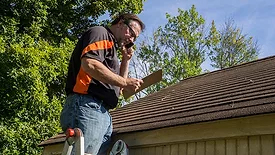
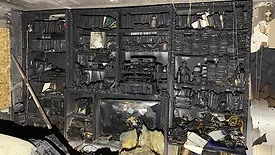
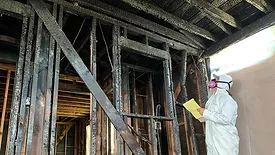
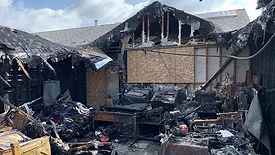
For this R&R Roundtable, we asked four odor removal professionals — Tony Macaluso, Jeff May, Sean Scott and Andrea Stenberg — the same five questions on topics including common missteps or misconceptions, top tools, memorable projects and future predictions.
In most cases when a home is damaged by a disaster, the homeowner(s) are already upset by the time the restorer gets there. The last thing a restorer wants to do is add insult to injury by doing or not doing something that could add stress or make the situation worse.
At some point, you will run into situations where your livelihood may be threatened. This is when you will need advice from someone who may have experienced a similar situation or knows how to navigate through the challenges. So, what is a restoration coach and how can they bring value to your company?