Ask the Expert
What Homeowners Should Do After a Flood
Tim Singnysane shares safety tips, warning signs, and guidance for cleaning up after a flood

In this Q&A, we sat down with Tim Singnysane of 1-800-WATER DAMAGE, and we discussed the immediate flood concerns that homeowners face after a flood. From preparation to preventing additional damage, Tim shares key insights that can help your customers plan and prepare for the upcoming rainy season.
1. What should homeowners avoid doing immediately after a flood to prevent additional damage?
The most important thing is safety. Three key things a homeowner should avoid are:
- Turning on the electricity
- Waiting to call a professional
- Attempting to DIY without professional guidance
2. Does a homeowner need to leave my home if floodwater has entered their crawl space or basement?
Yes, if the water continues to rise, it is safest to leave the home and contact a professional. If the contaminated water reaches electrical panels, outlets or wiring, avoid the area and evacuate, if necessary, until the home has been properly inspected.
3. Can flood damage spread even if only one room initially took on water? How quickly can that happen?
Yes, water travels through flooring, walls, and structural materials quickly. Even if the flooding starts in one room, moisture can begin spreading throughout a home within minutes, especially through porous materials such as drywall, insulation, and flooring.
4. How can a homeowner tell if the floodwater has damaged their walls, insulation, or flooring?
Some signs may appear faster than others. Here’s what homeowners should look out for:
- Water stains on walls
- Soft drywall
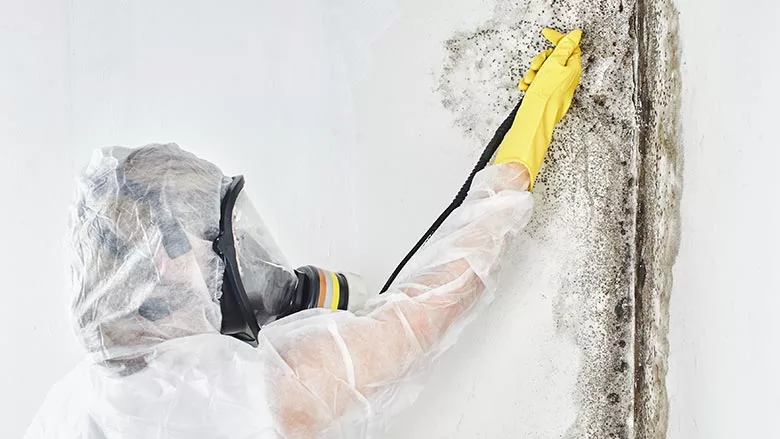
- Musty smell
- Ceiling is sagging
- Hardwood floors buckling or loose tiles
5. Is it safe for a homeowner to use fans or heaters to dry out their flooded home?
Yes, it is safe to use fans to dry out their flooded home if the electrical system is confirmed as safe by an electrician. Homeowners should always call an electrician before plugging in fans, especially if water has reached their electrical outlets. Heaters are not recommended in a wet environment since they create high humidity. This can lead to condensation, mold growth, and secondary structural damage.
6. Should a homeowner throw away their furniture or belongings that have touched the floodwater?
It depends on the material. Porous materials should always be discarded (i.e. mattresses, upholstery, clothing, etc.), as well as items that have absorbed the contaminated water and items with visible mold. These materials trap moisture and bacteria, and they often can’t be fully cleaned or disinfected safety.
Looking for quick answers on restoration, remediation and cleaning topics?
Try Ask R&R, our new smart AI search tool.
Ask R&R →
Non-porous materials can often be salvaged (i.e. plastic, metal, glass,). Solid wood furniture can be dried and effectively salvaged if it is not exposed to the water for a long period of time. Since non-porous materials don’t take on mold and other contaminants like a mattress or piece of clothing would, these items can often be properly cleaned, disinfected, and dried by a professional.
7. Can floodwater damage pipes, HVAC systems or electrical wiring?
In short, yes! Contamination, sewer backup/clogging, corrosion (rust), and component failure are all a possibility.
8. How long should a homeowner wait to start cleaning up after a flood?
They should act immediately and not wait to contact a professional. When it comes to moisture damage in particular, a homeowner must keep this in mind: the longer it sits, the worse it gets!
9. Should a homeowner document their flood damage before removing the water or debris?
Yes, taking photos and videos before cleanup begins is important, especially for their insurance claims. Documenting damage before the work starts helps support the claims process and ensures the full extent of the damage was recorded.
10. When should a water damage professional be called after flooding?
A professional should be contacted immediately if water is deep, contaminated, or affecting multiple areas of the home.
11. What flood damage signs might not appear for weeks or months?
Some issues develop slowly. Mold growth, structural deterioration, and wood rot or warping may appear weeks or even months after the initial flooding if moisture was not fully removed.
12. What steps should a homeowner take to prepare for future flooding after experiencing their first flood?
Review and update their insurance policy to include flood coverage, especially if they live in a flood-prone area or if their current policy only offers limited coverage. They should also have a backup battery installed on their sump pump to reduce the chances of a small flood causing significant damage.
Looking for a reprint of this article?
From high-res PDFs to custom plaques, order your copy today!